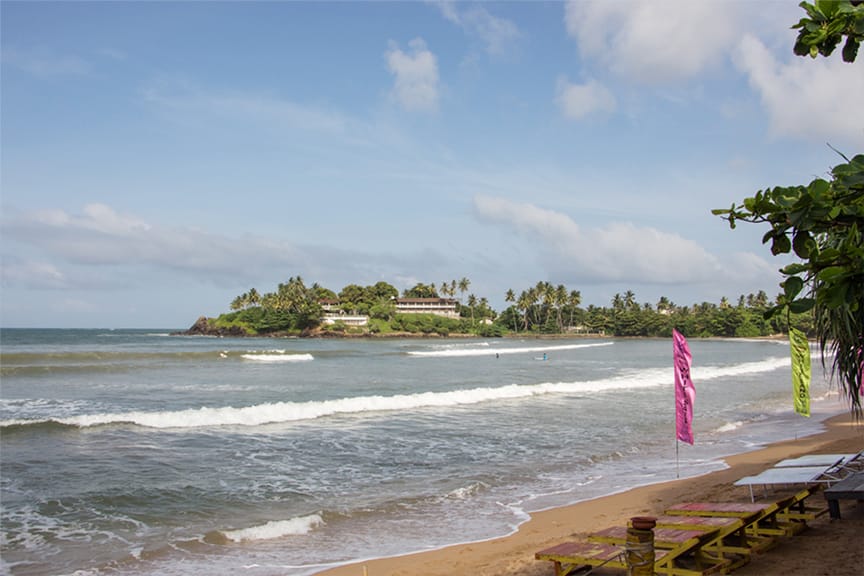
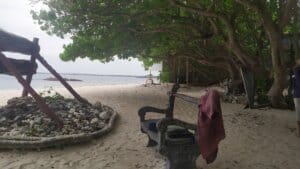
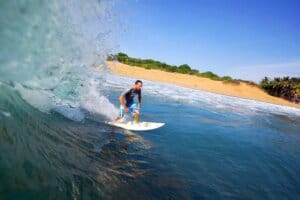
Dewata Beach stretches along Sri Lanka’s south coast, a sandy crescent just a few minutes south of Galle Fort and on the road toward Unawatuna. The coastal railway flashes by only meters from the shore, and the A2 road hums with tuk-tuks that slow for surfers crossing with waxed boards underarm. With palm fronds flickering in the onshore breeze and fishing skiffs pulled high on the beach, Dewata feels close to the heart of everyday Sri Lankan life while staying blissfully relaxed.
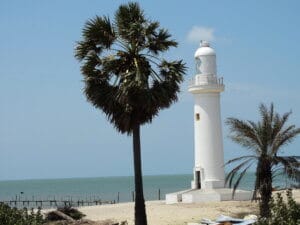
Travelers know Dewata Beach for gentle, beginner-friendly waves and a mellow village vibe. Surf schools line the sand with boards in soft pastels, and instructors chat over cinnamon tea while watching the sets roll in. On clear mornings, you can spot the white gleam of the Japanese Peace Pagoda on Rumassala headland, and, if the air is bright, the lighthouse of Galle Fort punctuates the horizon. Dewata’s charm lies in these small, sensory moments: the train’s distant horn, the smell of salt and diesel, and the sight of a child learning to stand on a board for the first time.
While nearby beaches get louder and glossier, Dewata stays grounded. It serves as a local surf break, a gathering spot for families, and a window into coastal rhythms that shape the region’s identity. That mix gives the beach an easy appeal. You can come for a quick lesson, a long swim at golden hour, or a slow afternoon wrapped in the shade of a sea almond tree.
Historical or Cultural Significance
“Dewata” in Sinhala carries echoes of divinity and guardianship, and the shore still wears that quiet, watchful spirit. The village lives by the sea: fishermen mend nets in the early light, and their children race on the firm sand before school. You may see offerings of flowers under a bodhi tree or a small shrine tucked beside the road, its incense mingling with the breeze from the ocean. These rituals remind you that the coast sustains more than bodies; it nourishes belief, memory, and a sense of community.
Galle’s layered history sits close enough to feel. In the fort, Portuguese and Dutch masonry holds fast to the headland, and those walls once guided ships that traced the spice routes. Dewata Beach, though not a fort town, grew in the orbit of those trade winds. Spice, cinnamon bark in particular, still perfumes local tea shops. Old trade stories drift down the coast, and, sometimes, someone will point out to sea and tell you where their grandparents learned boat craft from elders who watched those same lines of swell.
How to Get There
By Train from Colombo
Take the coastal train south, and you will watch the sea slide in and out of view like a companion peeking through palms. The ride to Galle brings you past lagoons, paddy fields, and station platforms painted in sun-faded cream. Once you arrive, flag a tuk-tuk outside the station, and in about ten minutes you will roll into Dewata Beach. As you crest the small bend near the railway, the view opens, and the water greets you in a sheet of aquamarine stitched with foamy white.
By Road via the Expressway
If you prefer the quick route, take the Southern Expressway (E01) to Galle, then join the coastal A2 road toward Unawatuna. The final stretch becomes a lively strip of fruit stalls, surf shacks, and small eateries where coconut rotis sizzle on iron griddles. Parking sits along the roadside and at informal sand lots, and you can step straight from the car onto warm, pale sand. The approach captures Dewata’s mood: functional, friendly, and close to the water’s edge.
From Galle Fort by Tuk-Tuk or Bicycle
From Galle Fort, a short tuk-tuk ride costs little and feels like a quick coastal jaunt. You can also cycle the gentle route, pausing for a lime soda at a corner shop where a radio hums old pop songs. The breeze smells of sea spray, fried chilies, and sweet tea. When you reach Dewata Beach, you will hear the small chorus of wax combs scraping boards and the soft slap of waves across sandbars.
What to See and Do
Learn to Surf on Mellow, Forgiving Waves
Dewata Beach is famous for beginner-friendly surf. Instructors welcome you with easy smiles and practical pointers, and they keep lessons fun as well as safe. You start on the sand, learn stance and paddling, and then step into warm, waist-deep water where the sets roll in like patient teachers. When you catch your first green wave, the shoreline cheers—locals do that here—and the satisfaction lingers long after your shoulders tire.
Walk the Morning Shore with the Fishing Community
Arrive just after sunrise and the scene unspools in quiet detail. Nets lie in soft coils, silver fish glint in shallow baskets, and a kettle rattles on a charcoal stove for the day’s first tea. Seabirds trace low arcs, calling over the pale roar of the breakers. Smile, say “ayubowan,” and you’ll often find an invitation to sit for a minute. The conversation might be brief, yet it opens a window into the cadence of work and tide.
Snack Like a Local at Beach Shacks and Cornershops
Between sessions, you can bite into fresh coconut roti with fiery pol sambol, or a paper-thin egg hopper that cracks like a wafer at the edge. A seaside vendor might crack a king coconut and hand it over cold, the straw already cut. Nearby, steaming plates of kottu clatter in rhythm with chopping knives, and the savory, spiced aroma mixes with sea air. Eat slow, wipe the chili from your lips, and watch the blue deepen offshore.
Photograph Trains, Skies, and Colorful Boats
Dewata’s coastal rail line makes a striking frame. Wait by the dunes as a blue-and-cream carriage rattles past, and your photos will sing with movement and salt haze. Brightly painted fishing boats rest above the tideline, their bows striped in lime, saffron, and ocean blue. At dusk, the sky runs through rose, amber, and violet. On windless evenings, the beach mirrors that color like wet glass.
Swim, Sun, and Stretch Into a Slower Hour
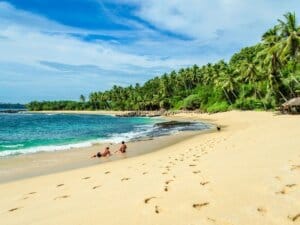
When the swell softens, the inner sandbar turns into a calm swimming zone. Wade out, feel the warm Indian Ocean pour around your knees, and float while the shore blurs into sound. Afterward, stretch on your towel, read a few pages, and let the rail’s distant clatter mark the passing of time. If you practice yoga, the sand offers a forgiving mat under the long shade of a leaning palm.
Join a Beach Clean or Support Ocean-Friendly Choices
Local surf schools sometimes organize cleanups, and joining one feels good and keeps the shoreline bright. Carry a reusable bottle, skip plastic straws, and choose reef-safe sunscreen that won’t cloud the water. When you rent gear or take lessons, pick small family-run outfits. Your rupees stay on the beach and strengthen the community that makes Dewata so welcoming.
Best Time to Visit
November to April: Calm Seas and Clear Skies
During these months, the sea often turns glassy in the mornings. Offshore winds groom the waves, and gentle swells suit learners and longboarders. Skies open wide and blue, punctuated by high, fast-moving clouds. The air feels hot by midday, so plan your surf or swim early, then linger in the shade with a sweet tea and a plate of pineapple dusted with chili salt.
May to September: Monsoon Drama and Fewer Crowds
The southwest monsoon brings moody skies, onshore winds, and frequent showers. While conditions can turn choppy, the beach stays beautiful in a different way. Palms shiver in gusts, and sunsets streak wild colors between ragged clouds. Crowds thin, prices drop, and you gain the gift of space. If you surf, talk to instructors about safer windows and sheltered corners.
October and Late April: Luminous Shoulder Seasons
Transition months paint the coast with soft, changeable light. You might wake to a still, silver ocean and end the day under a roiling, violet sky. These weeks feel cinematic, and water temperatures remain deliciously warm. The rhythm suits travelers who enjoy variety: some mornings for surfing, some afternoons for cafés, and a sunset or two for simply breathing in the salt.
Practical Information
Entry, Rentals, and Facilities
Dewata Beach is a public beach with no entry fee. Surfboard rentals usually start around LKR 1,000 per hour, and lessons typically range from LKR 4,000 to LKR 7,000 depending on duration and group size. You will find changing areas at surf schools, freshwater showers at a few shacks, and shaded spots to park a scooter or tuk-tuk. Bring small bills for snacks and coconuts.
Weather, Water, and Safety
Temperatures hover around 28–32°C year-round, with strong sun even on hazy days. The water stays warm, so rash guards help against both sun and board wax. Currents can shift near the reef and river mouths, so ask locals before you swim, and follow the colored flags if they are set. If conditions look messy, wade, walk, and watch rather than push your luck.
Local Etiquette and Respectful Photography
Wear swimwear on the sand, but cover up when you step onto the road or into the village. Ask before photographing people, especially fishers at work or children playing. Remove shoes when entering temples or shrines, and keep voices low near places of worship. A smile and a few simple Sinhala phrases will open many doors: “ayubowan” for hello and “istuti” for thank you.
Money, Connectivity, and Accessibility
ATMs, pharmacies, and supermarkets sit in nearby Galle. Local SIM cards offer fast data, which helps if you plan a dawn surf check. The beach has soft sand that can be challenging for wheelchair users, yet you can enjoy sea views from the roadside wall and a few street-level cafés. Ask staff for assistance; people here generally help with genuine warmth.
Nearby Attractions
Base yourself at Dewata Beach and build easy day trips around it. You can weave history, nature, and more surf into a relaxed loop along the coast.
- Galle Fort: Wander UNESCO-listed ramparts, the lighthouse, and cobbled lanes lined with cafés and galleries.
- Jungle Beach, Rumassala: A small, sheltered cove with clear water below the headland and the Japanese Peace Pagoda.
- Unawatuna Beach: A lively curve of sand with swimming zones, beach bars, and sunset viewpoints on the rocks.
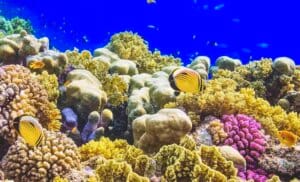
- Hikkaduwa: Coral gardens, snorkeling spots, and a classic surf scene about 40 minutes up the coast.
- Koggala Lake: Boat rides through mangroves, spice gardens, and quiet islets rich with birdlife.
- Ahangama and Midigama: Point breaks, reef waves, and a café culture that hums with board talk.
- Habaraduwa Turtle Conservation Centers: Visit ethically and learn about rehabilitation and release programs.
- Martin Wickramasinghe Folk Museum, Koggala: Insight into village life, crafts, and literary heritage.
Travel Tips
Pack light clothing that breathes and dries fast, and add a long-sleeve rash guard for sun. Reef-safe sunscreen protects the water you came to enjoy, and a brimmed hat becomes your best midday friend. Hydrate often with water or king coconut, and keep a small dry bag for phones and keys, which sand loves to claim.
For rides, agree on tuk-tuk prices before you start, or use ride-hailing apps in Galle to get a ballpark. If you plan multiple surf days, negotiate a multi-hour board rate and ask about dawn start times when winds stay calmer. Solo travelers will find company easily in the lineup or at tea stalls, while families can book gentle lessons together and share the laughter that always follows a first wobbly stand.
Respect dogs that sleep on warm sand and give them space, and carry out any trash, even the smallest candy wrapper. Storms pass quickly, so wait under a shack roof and watch the rain hammer the sea in silver needles. When the shower ends, the light turns pearly and the waves smooth again, like the beach apologizing for the interruption.
Conclusion
Dewata Beach does not shout for attention. It speaks in the scrape of a wax comb, the rip of a small wave, and the rustle of a palm leaf that shadows your page as you read. It welcomes you into a shared rhythm where surf sessions shape the day, tea breaks reset the mind, and evening skies smooth away the edges of time.
Come for a lesson or linger for a week. Watch the train curve past with a wink of sunlight on its windows, and breathe in the ocean that sets the pace here. As you leave, you will carry more than sand in your shoes. You will take the memory of a coast that moves gently, holds you kindly, and invites you back the moment your heart tilts toward the sea.