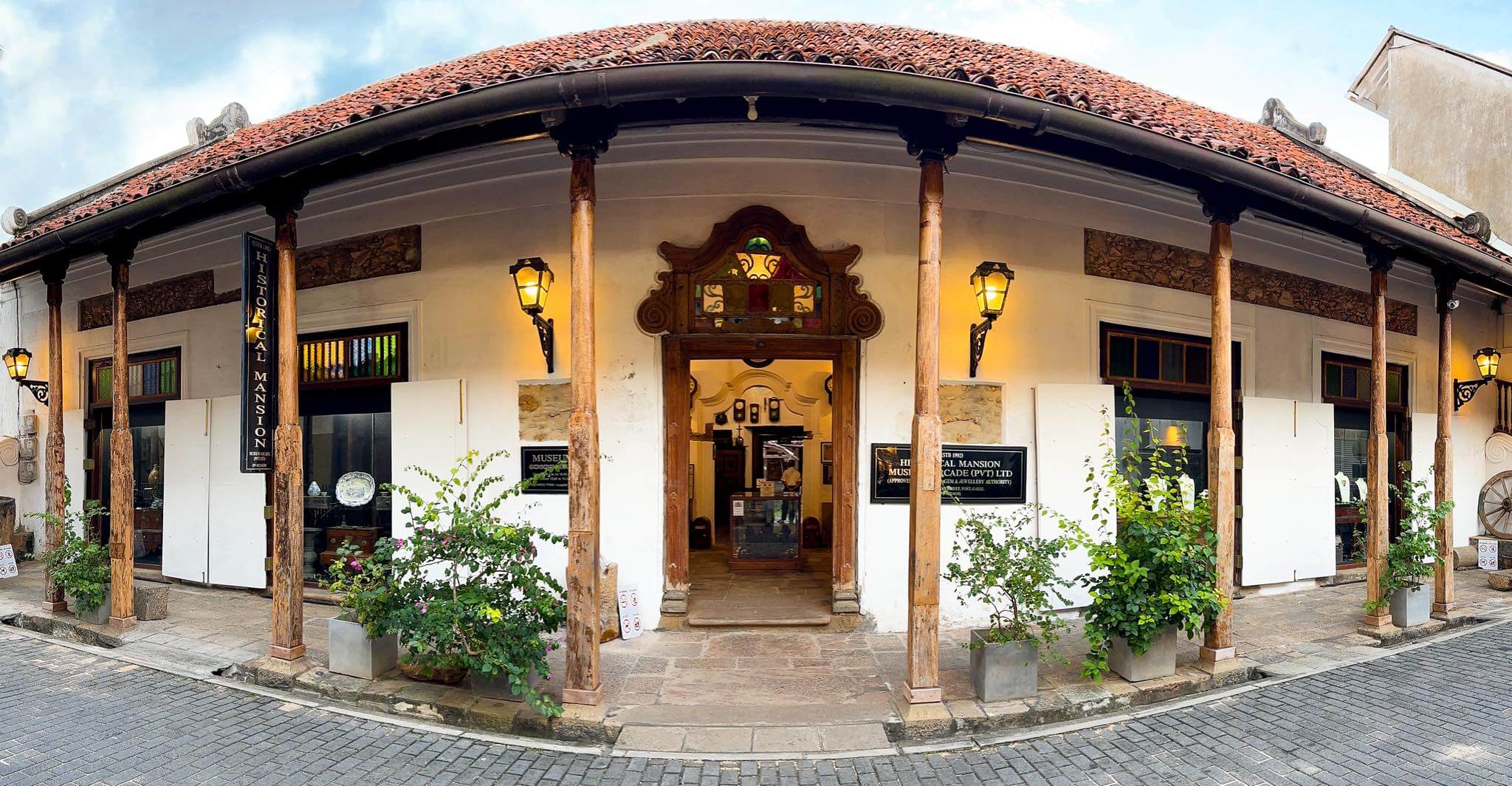
On a gentle hill above the harbor in the small town of Willowmere, the Historical Manison Museum watches the tides roll in like a patient historian. Locals shorten it to “the Manison,” a nickname that stuck long after the wealthy shipping family who built it ceased to dominate the waterfront. The house feels both stately and human-sized, a place that welcomes you up its slate steps as if you were an old friend coming for tea. When the sea breeze moves through the oak trees and the distant bell of the lighthouse drifts on the air, it becomes very clear why this museum isn’t just another house with velvet ropes, but a living archive of a town’s memory.
Willowmere lies along New England’s historic coast, about two hours from the nearest major city, and the museum anchors the oldest street, where brick sidewalks are worn smooth and the lamp posts still flicker on at dusk. The Manison’s pale clapboard exterior gleams in every season, with black shutters and a porch lined with rocking chairs that creak softly when someone settles in to listen to a guide’s story. Inside, the atmosphere changes from salt-tinged breeze to the fragrance of beeswax and old wood, that familiar, comforting scent that tells you the past has been cared for by many patient hands.
The museum remains significant because it bridges everyday life and big history. The rooms feel lived in rather than staged, the details precise but never precious. You learn the town through its sugar tongs and ink wells as much as through ledgers and portraits. It’s easy to stand at a window and picture a schooner sliding out of the harbor, while behind you the clock on the mantel ticks like a heartbeat.
Historical or Cultural Significance
The Historical Manison Museum began as the 1821 home of the Jameson family, merchants who turned molasses and timber into ships and schools. Unlike grand estates built to intimidate, the Manison speaks to ambition grounded in community. Its original architect was a local craftsperson who mixed Federal symmetry with maritime practicality: higher ceilings to catch the breeze, narrow staircases to hold heat in winter, and a side entrance used by fishmongers and neighbors alike.
During abolitionist meetings in the 1840s, candles glowed in the parlor windows even after curfew, a quiet sign that ideas would not be smothered. Later, the house hosted traveling musicians and town hall debates, and by the early twentieth century it sheltered children when a storm ate a section of the seawall. That layered history is not abstract; it lives in the nicks on the banister and the well-thumbed cookbooks in the kitchen. One guide, whose grandmother once polished the same silver you’ll see gleaming in the dining room, likes to say, “This house learned to breathe with the town.”
Today the museum serves as a hub for oral histories and neighborhood gatherings. Docents archive family recipes alongside ship logs, demonstrating that culture is built as much from stew pots and lullabies as from speeches. Exhibits change with the seasons, and local artists use the carriage house for community shows, weaving present-day voices into the building’s sturdy frame.
How to Get There
By Train and Foot
Many visitors arrive by regional train, watching marshes unspool into coves as the conductor calls out the names of towns that have measured their days by the tide. From Willowmere Station, the walk to the museum follows Harbor Street, shaded by elm and maple. Shop windows reflect the sky, and the air carries butter and sugar from the bakery on the corner. You’ll pass the fish market where someone might be shucking oysters, the shells clinking like porcelain, and then you’ll see the Manison appear at the top of a gentle rise, its flag lifting and falling with the breeze.
By Car
Drivers approach via the Coastal Byway, a road that rewards unhurried travelers. Pull over at the overlook before town and you’ll catch your first sight of the lighthouse and the long curve of beach. Parking for the museum sits behind the hedge of blooming hydrangea; a volunteer often waves you in with the same friendliness you’ll find throughout Willowmere. The short walk from the lot takes you past the carriage house and herb garden, where rosemary brushes your knees and releases its peppery scent.
By Bus or Rideshare
Local buses run from the regional hub every hour on weekends, with a stop two blocks from the museum. The ride offers a peek into everyday life: students reading, elders sharing the day’s weather wisdom, and beachgoers balancing picnic baskets. Rideshares and taxis know the Manison well; ask to be dropped at the side gate if you prefer a level entrance with fewer steps.
What to See and Do
Join a Guided House Tour
Start with the guided tour, because the stories unlock the rooms. You’ll step into the foyer where black-and-white tiles hold the day’s sunlight, then climb the polished stairs that whisper underfoot. In the parlor, a guide might tap the piano’s ivory and tell you about an evening when a traveling violinist played as a nor’easter rattled the windows, and the music rose like a hearth fire. Portraits of the Jamesons watch from the walls, but they seem less imposing when you learn that one of the sons ran away to paint seascapes and sent his mother sketches of gulls stitched with salt.
Wander the Self-Guided Nooks
After the tour, linger. The self-guided route leads to rooms often missed when someone else sets the pace. In the small study, light pools on a desk scattered with quills and a brass magnifier, and if you lean close you’ll spot the ring where a careless cup left a faint brown circle. The nursery keeps a chest of well-loved toys, and I have watched visitors smile at the tiny wooden ship that carries a century of imaginary voyages in its paint chips.
Climb to the Attic Archives
The attic feels like a secret. Boards creak, dust motes spin in sunbeams, and bundles of letters are tied with ribbon faded to tea-rose. Volunteers catalog them at a long table, treating each scrap like a friend returned from a long absence. On certain days you can handle facsimiles and trace the looping script of a sailor who missed home enough to describe the color of dawn on the open water. It’s hard to leave without feeling that history breathes louder when you stand this close.
Visit the Working Kitchen and Garden
Downstairs, the kitchen shows the museum’s commitment to everyday culture. The wide hearth holds iron pots, and someone often bakes a batch of ginger biscuits from a recipe that dates to 1860; the smell curls around you and anchors the moment. Out back, raised beds hold sage, lavender, and mint, which the staff uses for seasonal teas. Bees busy themselves nearby, their hum steady and forgiving, and the garden bench offers the best view of the house’s clean lines against the sky.
Settle on the Veranda for Tea
On warm afternoons, the veranda becomes the place to pause. Order tea and a slice of lemon cake made by a local baker, then settle into a rocker and watch the street’s theater: couples ambling hand in hand, children balancing cones that inevitably drip, elders who always know someone to wave to. The porch floor is smooth from generations of shoes, and the railing warms under the sun to a gentle heat that invites your palm.
Join Community Programs
The museum hosts storytelling evenings, sketching sessions in the garden, and themed tours that explore foodways, maritime trades, and the town’s diverse families. Accessibility sits at the heart of these programs, with quiet hours, transcripts for talks, and seating options that welcome every body. Check the schedule in advance, but leave space for serendipity; some of the best moments arrive unplanned, like a pop-up singing circle that turned a rainy day into a memory that glowed.
Best Time to Visit
Spring dresses the Manison in lilac and soft light. The harbor shakes off winter, and gulls call like gossiping friends. If you visit in May, you’ll find fewer crowds and docents with extra time to share longer stories; the air carries damp soil and the promise of picnics. Summer heightens everything: roses climb the fence, the veranda fills, and the town hums with festivals that spill onto the street. It’s lively without tipping into chaos, and the late golden hour over the harbor might tempt you to linger until the first fireflies stitch the garden dark.
Autumn steals the show. Leaves blaze in pumpkin and wine, and the house seems to glow from within, as if the wood remembers every fire it has ever seen. Crisp days invite long walks between rooms, and warm cider appears in the kitchen like a reward. Winter belongs to those who crave quiet; the museum becomes an oasis of soft carpets and muffled steps, and the guides have time to pull out rarely seen items from the collection. If you love reflective travel, a snowy day here will feel like a gentle spell.
Practical Information
Tickets and Entry
The museum opens Tuesday through Sunday with extended hours on summer Fridays. Timed entry helps protect the rooms, especially on busy weekends. You can buy tickets online or at the front desk, and there’s a reduced rate for students and local workers. Children under six enter free, and family passes make multigenerational visits easy on the budget. Special exhibits or attic access may carry a small add-on, and membership perks include early booking for seasonal events.
Weather and What to Wear
Coastal weather shifts with a mind of its own. A light layer serves you well in every season, and comfortable shoes will keep your feet happy on wood floors and garden paths. If wind rides in from the water, the veranda can feel brisk even in July, while autumn sun warms the porch enough for a leisurely tea. Bring a small tote for the gift shop’s irresistible paper goods and locally made jams; the cashier wraps everything with traveler-friendly care.
Accessibility and Etiquette
The side entrance offers step-free access, and an elevator connects the main floors. Foldable stools are available for those who prefer seated exploration, and sensory maps help guests plan their visit. Please avoid touching textiles and painted surfaces, and use the window benches or designated seating if you need a rest. Photography is welcome without flash, because the artifacts appreciate gentle light as much as we do.
Food, Facilities, and Sustainability
Restrooms, a water refill station, and a family room sit just off the carriage house gallery. The café focuses on regional ingredients, with clear labeling for common dietary needs. The museum reduces waste through composting and reusable service ware, so bring a bottle and fill it freely. Staff train in inclusive hospitality, and every guest receives the same warm greeting that has defined Willowmere for generations.
Nearby Attractions
- Lighthouse Point Walk: A breezy path with ocean views, tide pools, and a bench that locals swear cures any bad mood.
- Harbor Market Hall: A lively indoor market for oysters, chowder, handmade soaps, and sketches by neighborhood artists.
- Willowmere Maritime Workshop: A small boatbuilding shed where you can watch craftspeople steam-bend planks and tell sea stories.
- Elm Street Bookshop: A creaky-floored haven with a strong local history shelf and a cozy corner for children’s readings.
- Salt Grass Preserve: Boardwalk trails through marshland, with bird blinds and sunset scenes that feel like paintings come alive.
Travel Tips
- Book a morning tour to enjoy quieter rooms and lingering conversations with docents.
- Ask at the desk for the “sound map,” which guides you to places where the house’s creaks and whispers tell their own stories.
- Plan a flexible schedule; the garden and veranda invite unhurried time you’ll want to claim.
- Bring a notebook. The museum sparks memories and ideas, and jotting them down turns the visit into a keepsake.
- Combine your trip with a lighthouse walk for a full day that blends history, nature, and snacks with a view.
- Check the calendar for quiet hours, which support visitors who prefer softer lighting and reduced noise.
- Support the community by choosing local cafés and shops; your spending keeps the town’s creative heartbeat strong.
Conclusion
The Historical Manison Museum doesn’t shout its importance. It speaks in the cadence of footsteps on old floors, the rustle of letters in an attic breeze, and the warmth of a railing that has steadied countless hands. You will leave with facts, certainly, but more than that, you will carry the sensation of time layered gently—tea steam in the afternoon light, the garden’s herbal exhale, the harbor’s slow tide repeating a rhythm older than any ledger. Travel here if you want to feel how a house can hold a community, and how a community, in turn, cares for a house. On your way down the hill, look back once. The Manison stands in its quiet glory, a keeper of stories still unfolding, and the gulls write new sentences across the sky.