Location & Overview – where Karnagala View Point sits and why it matters
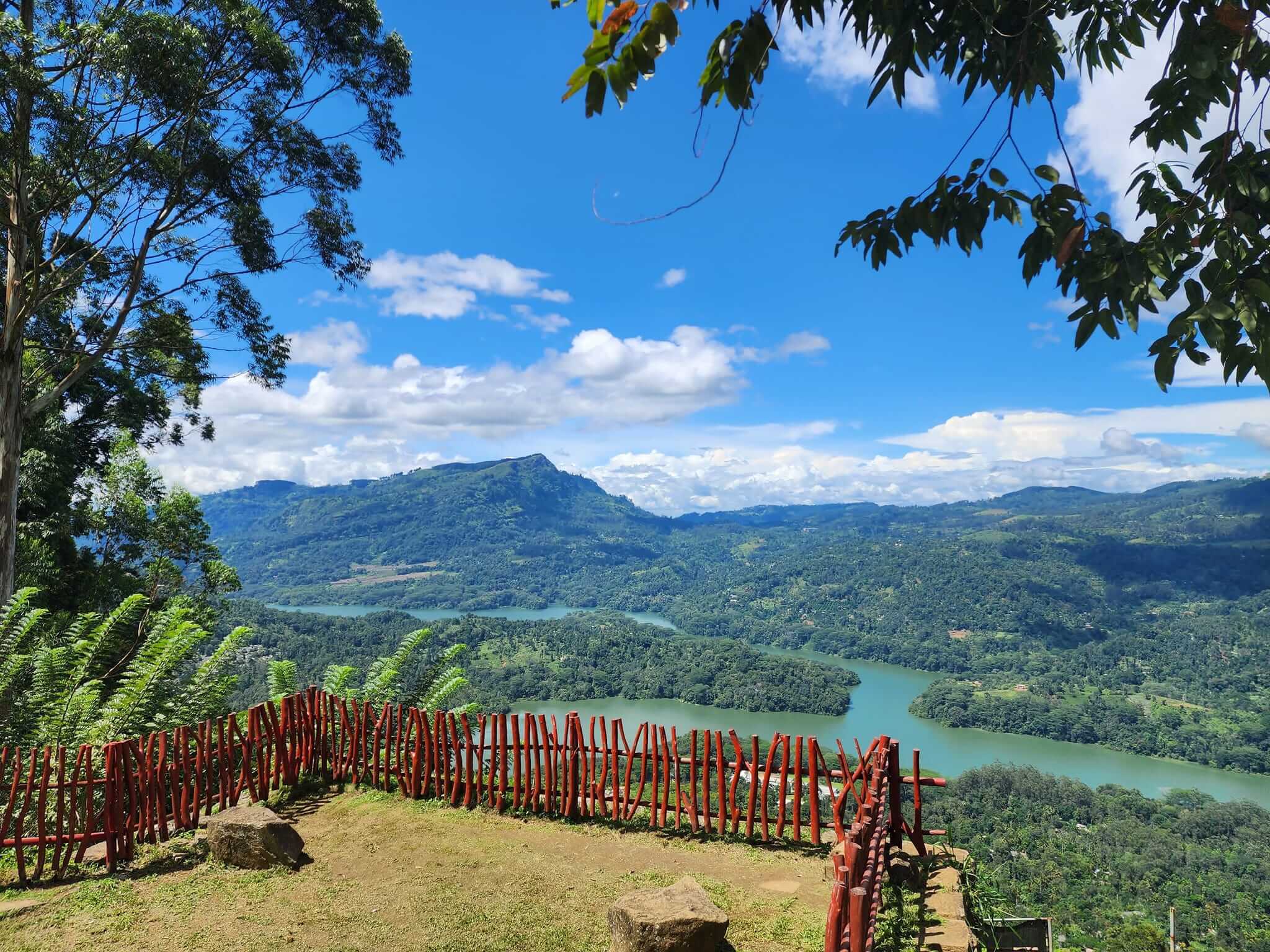
Karnagala View Point sits high above a patchwork of tea fields and forested slopes in Sri Lanka’s central highlands, tucked between quiet villages and misty ridgelines. Locals use the name “Karnagala” for the rocky knob that crowns this hill, and the viewpoint marks its breezy edge. From the top, the land rolls away in green waves toward distant valleys, with thin silver threads of rivers flashing in the sun. You can see the order of tea terraces against a backdrop of wild jungle, and scattered hamlets where home gardens glow with papaya and hibiscus. The air feels cooler than the lowlands, and a clean, herbal scent drifts up from the tea bushes as soon as you step out of the vehicle.
This vantage point offers more than a pretty panorama. It captures the feeling of the hill country in one sweep: the hush of dawn, the thrum of cicadas, and the slow rhythm of life in the estates. On clear days you can trace the ridgeline of neighboring peaks, and on misty days the clouds drift in dreamy layers. Travelers come here for sunrise or sunset, yet the real magic reveals itself in the small moments. You might watch a line of tea pluckers moving in practiced unison, or catch the rattle of a distant train sliding through a valley. The viewpoint invites you to linger, breathe, and watch light paint the hills.
Historical or Cultural Significance
Karnagala View Point may not sit beneath a grand monument, but its slopes hold stories. The tea fields that edge the trail carry a legacy stretching back more than a century, when plantations reshaped these hills and brought diverse communities to work and live here. You will hear Tamil, Sinhala, and sometimes English spoken in the same morning, and you might glimpse a tiny kovil or a whitewashed shrine tucked under a banyan tree. At the base of the hill, a small bodhi tree often carries fluttering prayer flags, and incense sometimes lingers in the shade after dawn offerings.
People in the surrounding villages treat the viewpoint as a shared space. Families gather for weekend picnics, teenagers come to take celebratory photos, and elders sit quietly and watch the weather shift. When you walk here, you walk through a living landscape. The tea, the pathways, and the seasonal rituals all shape the way the viewpoint feels and functions. Respect that rhythm, greet those you meet, and the place opens up with easy warmth.
How to Get There
By road from Kandy or Nuwara Eliya
The most relaxed approach comes by car or tuk-tuk from the hill country’s main towns. From Kandy, the route winds past pepper vines and roadside fruit stalls, then climbs gently into cooler air. Drivers point out old planters’ bungalows hidden behind hedges, and monkeys sometimes loiter near bends that overlook rivers. From Nuwara Eliya, the drive drops through thick forest patches and winds along ridges where clouds skim the treetops. Either way, the road narrows as you near the estates, and red-earth tracks replace the smooth tarmac.
By train and tuk-tuk
For a more atmospheric journey, ride a local train to a nearby station on the highland line, then hop in a tuk-tuk for the final stretch. The carriage windows slide open to fresh air and a patchwork of tea, pines, and villages. You feel the gradient in your bones as the engine climbs, and you catch quick flashes of waterfalls. At the station, drivers wait near the gate, leaning on handlebars and trading jokes. Show them “Karnagala View Point” on your phone, agree on a fare, and let the small three-wheeler purr up the lanes, dodging dogs and schoolkids with practiced ease.
The final approach
The last segment follows an estate road under shade trees. The surface turns rocky and the world grows quiet except for bird calls. You park beside a low tea hedge and follow a footpath that rises gently to the crest. The earth feels springy underfoot, and crushed tea leaves release a faint, grassy perfume. A breeze slides across the ridge as the path opens onto a natural outcrop. The viewpoint stretches wide, with a safe, open area to sit, and the view spills away in every direction.
What to See and Do
Catch a sunrise that glows over the tea
Come before dawn if you can, when the hills still wear their shawl of mist. The sky brightens slowly behind the ridges, and the tea terraces sharpen from soft gray to velvet green. A pair of bulbuls might chatter in the shrubs, and a rooster’s call carries up from the valley. As the sun breaks the horizon, shadows slide down the slopes like ink and retreat into the gullies. The light hits the leaves and the whole hillside seems to sparkle. It feels intimate and grand at the same time.
Walk the tea paths and feel the landscape under your feet
After you take in the view, follow the small trails that lace the tea fields. They were cut by daily steps, so they contour naturally along the hillside. You pass stone markers, drainage channels, and perhaps a field shed with a corrugated roof. Pluckers in bright shawls move through the rows with deft hands. Offer a smile and a greeting; if work allows, you may trade a few friendly words about the weather or the day’s picking. Stay on the paths so the bushes remain healthy, and you’ll see how the landscape breathes and works.
Pause for a simple picnic on the rocks
Bring a flask of hot tea and something sweet from a local bakery, maybe a coconut bun still warm from the oven. The rocks near the crest warm quickly in the sun, and the wind carries a hint of eucalyptus from trees farther up the ridge. You hear laughter from a distant home, then only leaves rustling. Nothing beats that quiet ritual: pour, sip, and stare at the horizon while time loosens its grip.
Meet the community and learn a little more
On weekends, families sometimes arrive with homemade snacks, and children dart around the trees. If you strike up a conversation, you might learn which ridge catches the first rain or which footpath leads to a tiny waterfall. You will also hear small local histories, like which tea section produced the best leaves after a good monsoon, or how the viewpoint hosted a harvest blessing one year. These stories shape your sense of the place far more than a guidebook line ever could.
Photograph changing light and patient birds
Photographers love Karnagala View Point because the scene evolves throughout the day. Early light brings soft pastels and long shadows, while late afternoon paints the valleys in amber and crimson. Keep an eye out for raptors riding thermals, or tiny sunbirds that hover near flowers at the edge of the path. A polarizing filter helps cut glare off the leaves, and a light jacket keeps you comfortable as the breeze picks up near sunset.
Best Time to Visit
Dry months bring clear horizons and a golden glow, which helps sunrise hunters. Skies hold steady, colors pop, and trails stay grippy underfoot. During the inter-monsoon weeks, clouds play a more dramatic game, drawing veils across the ridges and then parting for sudden shafts of light. Those days feel theatrical, and many travelers find them unforgettable.
Arrive early or late for the most flattering light and softer temperatures. Midday can turn bright and flat, though the breeze keeps it pleasant on the crest. If rain moves in, wait a little while rather than rush off. Mists lift without warning, and fresh air after a shower smells like crushed leaves and wet stone.
Practical Information
You do not need a formal ticket to reach Karnagala View Point, and the path remains open during daylight hours. A local caretaker sometimes tidies the area, and a small donation shows appreciation for that quiet work. Parking sits along the estate road, so leave enough room for carts and motorcycles to pass with ease.
The hill country can surprise you with quick shifts in weather. Pack a light rain jacket, even on sunny mornings. Wear sturdy shoes with grip, because paths can turn slick after rain. Bring a small headlamp if you plan to descend after sunset, as estate roads have few lights and the sky gets dark fast.
Dress with respect, especially if you pass shrines or meet workers heading to a shift. Shoulders and knees covered keep you comfortable and culturally considerate. Ask before photographing people, and accept a “no” with a smile. Take your litter back to town, since bins remain scarce on rural paths. A few words of Sinhala or Tamil go a long way: an “ayubowan” or a friendly “vanakkam” often earns you a bright response.
Nearby Attractions
- Tea factory tour: Join a short guided walk through a working factory to learn how tender leaves transform into fragrant cups.
- Hidden waterfall trail: Follow a shaded footpath to a small cascade where locals cool off in the late afternoon.
- Village market morning: Visit a weekly market for spices, leafy greens, and snacks like hot vadai or sweet kavum.
- Hilltop temple: Climb to a modest shrine that offers another quiet outlook and the soft ring of a temple bell in the breeze.
- Riverside picnic spot: Spread a mat beneath shady trees along a calm bend of the river and watch kingfishers streak past.
Travel Tips
- Start early to avoid haze and to share the path with fewer people, especially on weekends and holidays.
- Carry small change for tuk-tuks, snacks, and a possible donation at a shrine or to the local caretaker.
- Check the forecast before you set out, but bring layers anyway, since hill weather shifts with little warning.
- Download an offline map; phone signal drops in gullies and returns on ridgelines.
- Walk slowly on the tea paths and keep to marked tracks, which protects the plants and prevents erosion.
- Hydrate well at altitude, even if the air feels cool, and pack fruit for quick energy on the trail.
- Hire a local guide if you want off-path routes to waterfalls or side viewpoints; you support community livelihoods and gain safer access.
- If you plan a sunset visit, arrange your return ride in advance so you are not stranded after dark.
Conclusion
Karnagala View Point rewards patience and curiosity more than speed. You come for the sweeping view, yet you stay for the rustle of tea leaves, the stories shared under a tree, and the living patterns of work and weather on the hills. Each hour changes the scene, from the first blush of dawn to the warm wash of evening light. Whether you arrive with a camera, a sketchbook, or simply open eyes, the ridge meets you with quiet generosity. Walk gently, greet those you meet, and let the breeze carry your worries down the valley. You will leave lighter, with the taste of mountain air still on your tongue and a map of green ridges etched in your mind.