Location & Overview
Dawn in Nuwara Eliya tastes like cold mist and fresh tea. The town’s clipped hedges and neat bungalows glow in a soft, highland light, and clouds linger low over emerald slopes. From here, the massif of Kirigalpota, also spelled Kirigalpotta, rises behind the rolling plateau of Horton Plains National Park. At 2,395 meters, it’s Sri Lanka’s second-highest peak, a granite-backed sentinel that keeps watch over windswept grasslands and cloud forests where deer graze and streams run tea-brown with peat.
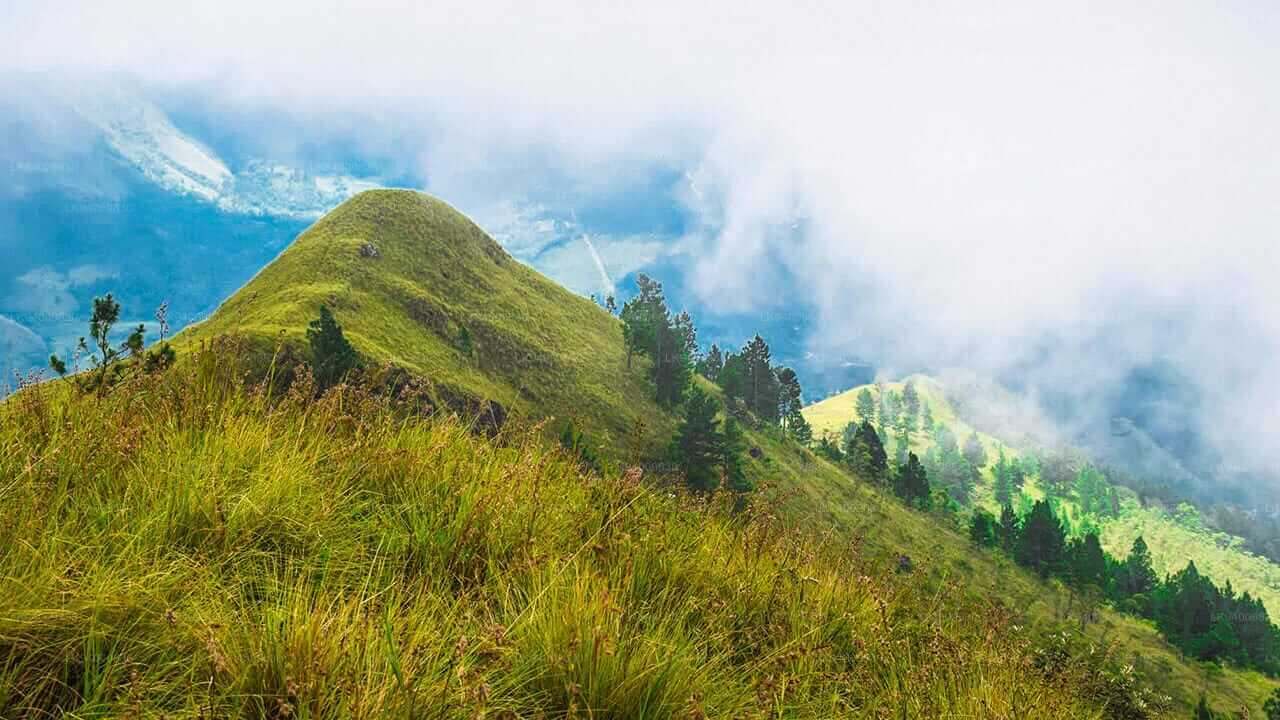
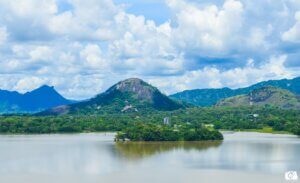
Kirigalpota Nuwara Eliya is not a casual viewpoint by the road. It is a mountain you earn with footfalls and patience, a summit known more to hikers and rangers than to tour buses. That quiet reputation is its charm. While crowds hurry to the dramatic drop of World’s End, those who turn toward Kirigalpota find a wilder path. The trail curves across open patana grass, dips into shadowy forest, and climbs a final ridge that lifts you above the clouds. From the top, the island lays itself out in blue layers: Totupola Kanda close by, Pidurutalagala on the horizon, and the serrated hill country fading into haze.
The mountain sits within Horton Plains National Park, a protected swath of the Central Highlands, a region listed as a UNESCO World Heritage Site for its biodiversity and rare montane ecosystems. This high plateau acts like a rooftop reservoir for the country, feeding rivers that radiate to distant coasts. The air feels different up here—thin, crisp, fragrant with wet grass and rhododendron—and each breath carries the cool of cloud and moss.
Historical or Cultural Significance
Horton Plains, once called Maha Eliya by local communities, has long sustained life beyond its boundaries. The plateau’s bogs, forests, and streams are the headwaters for major rivers, which nourish farms and cities far below. That practical significance shaped the deep respect people hold for these highlands. In the colonial era, planters ventured up to escape the heat, sketching maps and scribbling accounts of “World’s End country.” Yet the mountain’s most enduring stories belong to the land itself: stunted “elfin” forests sculpted by wind, centuries-old rhododendron shrubs that bloom crimson against silver mist, and animals adapted to thin air and cold nights.
Today, Kirigalpota stands as a benchmark of conservation as much as a peak to conquer. The Central Highlands’ World Heritage status reflects the area’s role as a refuge for endemic species—from the Sri Lanka whistling thrush to the shaggy-coated sambar deer that saunter across the plains at dawn. Hikers become part of this living heritage, moving gently through habitats that have persisted through monsoon, drought, and human curiosity.
How to Get There
From Nuwara Eliya, the road to Horton Plains winds past vegetable plots and tidy tea, then spills into the open country of Ambewela, where dairy cows graze under tall eucalyptus windbreaks. The drive takes about 1.5 hours, depending on mist and morning traffic. A blue chill seeps through the car as you climb, and the smell shifts from piney timber to damp peat. The asphalt rises and dips, offering sudden openings where you glimpse the plateau like a rumpled green blanket tossed across the hills.
Many travelers arrive by train to Ohiya, a tiny station perched among tea fields and clouds. From there, a tuk-tuk or van rattles along the narrow road to the park entrance. The last stretch can feel otherworldly as white mist unspools across grasslands and sambar deer stare from the verge, unbothered and regal. At the Pattipola gate, officials check tickets and bags for polythene and single-use plastics. The park encourages a strict pack-in, pack-out ethic. Inside, you follow signs past the visitor center and the start of the World’s End loop. For Kirigalpota, you branch off onto a fainter trail that heads west across open grass, then aims toward a knuckled ridge thick with forest.
What to See and Do
The Kirigalpota hike is a full day if you savor it, typically five to seven hours return, depending on pace and weather. The trail begins wide and grassy. It feels like walking across a giant breathing animal, the ground springy, wet, and fragrant. Wind sifts through knee-high tussocks, and small streams cut narrow channels lined with moss the color of bottle glass. In the distance, the summit looks close and misleading, a steady trick of Highland hiking.
Soon the path narrows and slips into a cloud forest where the world becomes intimate. Gnarled trunks wear coats of lichen and velvet moss. The canopy knits overhead, and the light turns green and quiet. You hear your own breath and the occasional drip from leaf to leaf. If you pause, the forest offers whispers: a bush warbler scolding from a thicket, the thin tink of a thrush somewhere uphill, the rustle of a lizard in leaf litter. In late season, rhododendron flowers burn like lanterns in the mist, their petals bright against the forest’s muted palette.
Back in the open, the climb grows steeper. The ridge walks you up through heather-like scrub and dwarf bamboo, the wind stronger now, syllables of cloud breaking across the slope. The final push spills onto a rocky crown where a simple cairn and a weathered marker greet you. On a clear day, the view feels endless. You can trace the line of World’s End by its dramatic escarpment, pick out the rounded bulk of Totupola Kanda, and, far off, the communications masts on Pidurutalagala. Valleys pool with blue, and wave after wave of hills fade to a brushed-silver horizon.
Photography here rewards patience. The sky switches moods quickly, from crystalline clarity to milk-white fog. Wait five minutes, and a veil lifts to reveal an unexpected shoulder of mountain or a patchwork of tea fields. Bring a lens cloth; mist beads on everything. If you enjoy birding, carry binoculars. Horton Plains shelters endemics that thrive in this altitude, and the quieter Kirigalpota trail gives you a better chance to spot them without the bustle that shadows the World’s End loop.
On the return, the same landscape tells a different story. Light swings low, coloring grass in honey tones and sliding shadows across the forest fringe. You feel the fatigue in your calves and the glow that comes from earning a summit. Stop to drink at a safe spot, inhale the sweet-mineral scent of wet earth, and listen to the wind comb the plains. These are the moments that bind people to the highlands—a sense of space, of clean air, and of being small in the best possible way.
Best Time to Visit
Kirigalpota rewards early risers and careful planners. The drier months from January to April usually bring clearer skies and firmer ground, which makes the long traverse far more pleasant. In these months, mornings often start sharp and bright before the mist thickens by late morning. If you can begin the hike at sunrise, you catch the gold hour across the plains and stand a better chance of a clear summit.
Shoulder months can work, too, but expect sudden rain and colder winds. From May to September, the southwest monsoon unsettles the highlands, and showers roll in fast. October and November also see unsettled weather. Whatever the month, the atmosphere changes by the hour here. Plan to enter the park early, pack layers, and shape your day around the sky’s whims rather than a rigid schedule.
Practical Information
Horton Plains National Park is open during daylight hours, with last entry usually in the early afternoon. Entry fees vary by nationality and vehicle type, and they change from time to time. As a guide, foreign adult tickets typically cost several thousand Sri Lankan rupees, plus taxes and service charges. Local rates are lower. You pay at the gate, and card facilities can be unreliable, so bring cash. Park staff may check your bags for polythene and non-reusable plastics. Drones require a permit, and rangers enforce a strict no-litter policy.
Weather is the big variable. Temperatures swing from near-freezing before dawn to a mild, sun-bright afternoon. Dress in layers—a moisture-wicking base, a warm mid-layer, and a windproof outer shell—and carry a hat and sunscreen. Good hiking shoes matter, because sections turn boggy after rain and leeches thrive in the wet season. Light gaiters or leech socks help. Bring at least two liters of water per person and high-energy snacks. Facilities inside the park are minimal beyond the visitor center, and mobile reception fades in the forest. You do not need a guide if you have experience and a map, but a local guide adds safety and stories, especially if mist cloaks the trail.
Nearby Attractions
- World’s End and Baker’s Falls: The famous loop pairs a sheer cliff edge with a roaring, misty waterfall, best tackled at dawn before clouds rise.
- Totupola Kanda: A shorter summit hike inside Horton Plains, offering expansive views with a quicker turnaround.
- Ambewela and New Zealand Farms: Rolling pastures, fresh dairy, and breezy viewpoints along the road from Nuwara Eliya.
- Gregory Lake, Nuwara Eliya: A relaxed promenade, paddle boats, and picnic lawns framed by tidy gardens and colonial-era cottages.
- Pedro Tea Estate and Lover’s Leap Falls: A classic factory tour paired with a walk to a slender waterfall above town.
- Hakgala Botanical Garden: Terraced beds of roses, ferns, and highland exotics set under a looming rock face.
- Ohiya and Idalgashinna viewpoints: A scenic train ride and ridge-top panoramas across tea and forest mosaics.
- St. Clair’s and Devon Falls: Twin cascades along the Hatton–Nuwara Eliya road, dramatic after rains.
- Pidurutalagala (Mount Pedro): The island’s highest point; road access is sometimes possible with security clearance, though hiking is not permitted.
Travel Tips
Start early from Nuwara Eliya so you reach the trail while the plains still glimmer with dew. A 4:30 to 5:00 a.m. departure feels ambitious but pays off with quiet roads, grazing deer at the park gate, and a sunlit ascent before the daily curtain of fog. If you rely on public transport, the first trains into Ohiya align well with sunrise taxis into the park, though you should confirm times the day before.
Pack light yet thoughtfully. A compact first-aid kit, a small towel, a drybag for electronics, and a printed map make a difference when weather turns. Keep food simple and seal it well—macaques sometimes raid unattended packs at popular rest spots. Carry your waste out, including food scraps, as the park’s fragile soils do not appreciate shortcuts.
Respect the place and its rhythms. Stay on marked paths to protect ground-nesting birds and delicate bog plants. Give wildlife space and observe quietly. If you travel with children or hikers new to altitude, plan generous breaks and celebrate reaching the forest edge or ridge even if the summit feels too far that day. The journey across Horton Plains offers beauty in every segment.
Conclusion
Kirigalpota rewards those who trade quick views for slow miles. It gives you the sound of wind combing tall grass, the hush of a mossy forest, and the clean line of a horizon earned by effort. You return to Nuwara Eliya with damp boots, tingling fingers, and a small, steady joy that lasts long after the mist has closed over the plains again. On the island’s high roof, where water is born and clouds linger, this quiet mountain invites you to walk with care, breathe deeply, and feel the country’s heart beat under your feet.