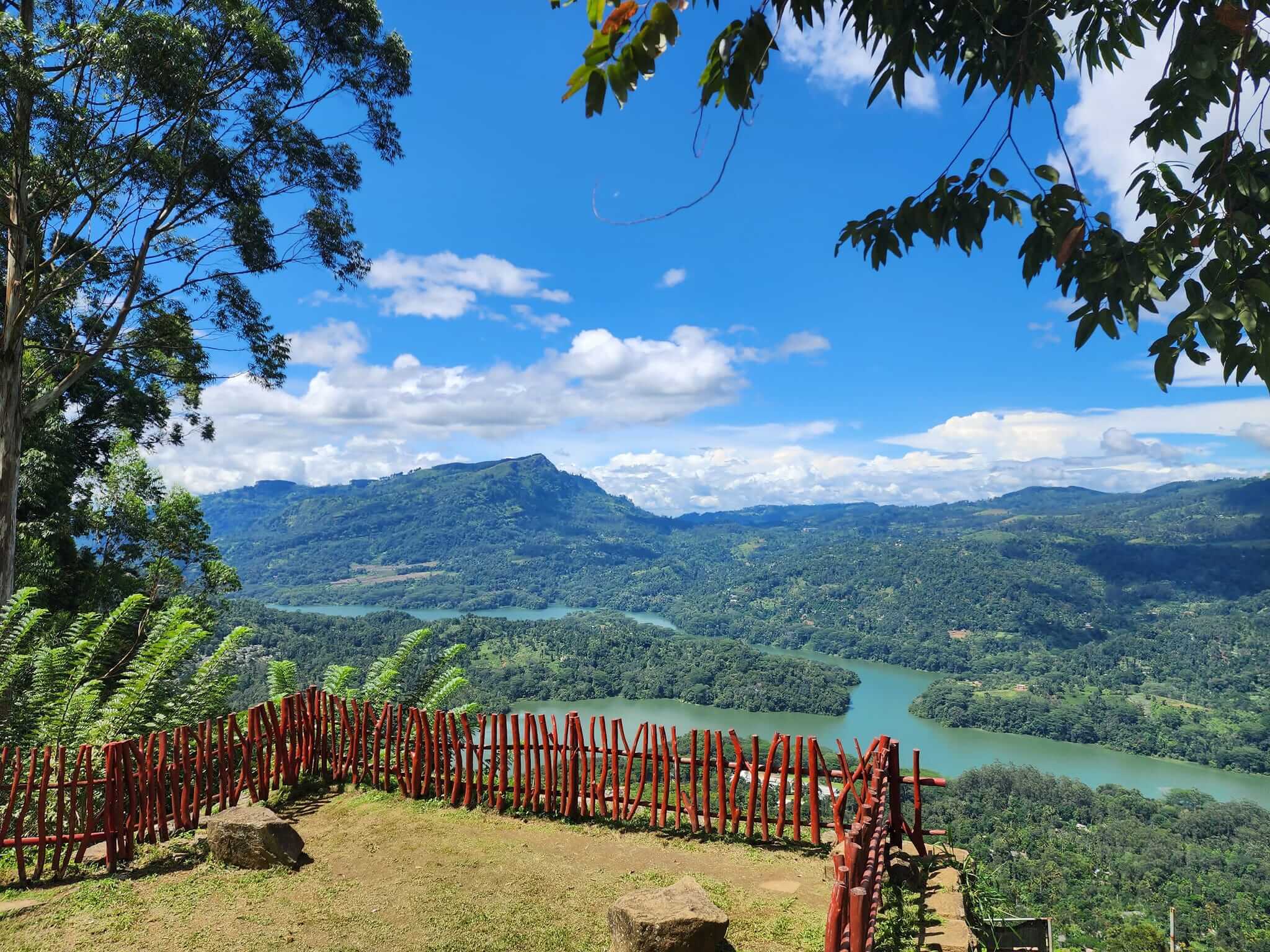
Slip off the busy road at Gampola and wind down towards the Kotmale Oya, and you arrive at a valley that feels both hushed and humming. The Kotmale Dam rises in clean lines above jade-green water, its pale concrete catching sunlight that filters through tea-clad hills. On one edge of this monumental structure sits a quiet trove of stories: Kothmale Dam’s Museum. It is not a grand hall of artifacts behind ropes. Instead, it feels like a conversation with the river itself, a place where engineering models and photographs sit side by side with oral histories, maps, and the faces of people who once lived where the reservoir now glints.
The museum serves as the visitor-friendly heart of the Kotmale Hydropower Complex, a major node in Sri Lanka’s Mahaweli Development Programme. Many travelers come for views over the reservoir and the sharp geometry of the spillway. Yet the museum gives context, which turns scenery into meaning. It offers an intimate window into how a valley transformed into a power source, and how communities adapted while water crept into paddy fields and temple courtyards. If you love to understand a place rather than just photograph it, this small museum matters.
Historical or Cultural Significance
From ancient shrines to a modern river project
The Kotmale region has long carried spiritual weight, threaded with pilgrim paths and village temples. In the 1970s and 80s, when the Mahaweli Development Programme reshaped the central highlands, Kotmale became a focal point. The dam promised electricity for growing cities and steady irrigation for farms downstream. It also required sacrifice. The waters rose and, with them, a cluster of villages and sacred sites slipped below the surface. The museum does not sensationalize this reality. It invites you to sit with it.
Inside, you may linger over sepia photographs that show men in white sarongs guiding cattle past survey stakes, and women tying bundles before resettlement. A display commemorates dozens of shrines and temples that likely submerged, remembered today by the great white Mahaweli Maha Seya stupa that crowns a ridge above the reservoir. The museum gives the project a human voice, with captions and recordings that credit the communities, engineers, and laborers who worked in tandem. Names like Gamini Dissanayake emerge from the caption cards, but so do the names of field technicians and schoolchildren who planted trees along new lakeshores.
How to Get There
Winding roads and tea-scented air
Most travelers approach from Kandy. The road rolls past Peradeniya’s lush canopy, then dives towards Gampola where tuk-tuks weave around fruit stalls stacked with king coconuts. From there, a scenic route leads down into Kotmale. You feel the air cool first, then a gentle waft of leaf and damp loam rises from the slopes. If you ride the train to Gampola, the journey itself charms with views that flit between mist and sun as bridges hop streams that rush towards the Kotmale Oya.
The last stretch tightens into curves. Look for signs to the dam and the hydropower complex. A small access road peels off towards the visitor area and Kothmale Dam’s Museum, where a guard post and neat hedges mark the entrance. Arrive in the early morning and hear birds trading notes over the steady hum of turbines below ground. If you come from Nuwara Eliya via the Ramboda Pass, the route pours down from high country into a warmer bowl, tea estates slipping by in orderly patterns and roadside cafes frying egg hoppers that smell buttery and warm.
What to See and Do
Walk the stories, then walk the dam
Start inside the museum, where a scale model of the dam spreads like a topographic puzzle under glass. A guide from the Ceylon Electricity Board may walk you through how the reservoir feeds the penstocks, and how water pressure turns the turbines. Clear diagrams explain the flow with unfussy language, while old project maps crackle with pencil lines and coffee stains. You can trace your finger along the Kotmale Oya and sense the logic that turned a river into power and reliability for homes and fields far beyond this valley.
Move from the engineering wing to the cultural gallery, and the mood shifts from technical to tender. Photographs show processions carrying relics from temples destined for submersion, woven together with contemporary images of the Mahaweli Maha Seya. A listening booth shares voice clips collected from families who recall harvests and housewarmings before resettlement. It is not a mournful room. It feels like remembrance, and it teaches empathy for landscapes that serve many needs at once.
Step onto the crest and feel the scale
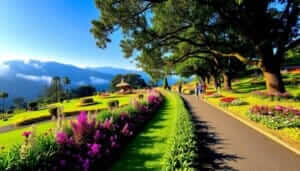
After the museum, walk out to the dam’s crest if access is open that day. Security varies, and staff will guide you. When you do step onto the broad top, the scale soaks in through your soles. The reservoir stretches away in soft green, hills folding behind it like a backdrop someone painted with a wide brush. Below, the spillway’s concrete cascades seem poised and muscular, even on quiet days. Wind moves across open water and brings a wet, cool scent that catches in your throat for a second. Power lines hum faintly, and a cormorant may skim the surface and vanish into a clean dive.
Scan the shores for stories
At low water, you might glimpse the crown of a drowned tree or the outline of an old foundation near Kadadora. On high-water afternoons, the lake looks seamless. Either way, stops at several viewpoints offer chances to frame the white dome of the Mahaweli Maha Seya against blue sky, and to watch fishermen angle from small boats that drift with a gentle cluck of oars. Bring binoculars if birds intrigue you. Egrets parade the edges, and brahminy kites ride thermals above the slopes.
Pair it with tea and village flavors
Before or after the museum, pause at a roadside tea shop where kettles sing and the scent of cardamom floats above a silver urn. Owners chat with easy warmth, and you can taste milk tea poured from a height that froths it into a caramel whisper. Try a plate of roti folded around coconut sambol, or a banana fritter dusted with sugar that crackles as you bite. These small stops stitch the visit into local life, and they fortify you for hill walks if you decide to climb towards the stupa later in the day.
Best Time to Visit
Chasing clear horizons and soft light
The central hills live by their own rhythm of mist and showers. For the clearest views across the reservoir and the easiest walking, aim for January to April when the mornings shine and breezes feel crisp. June through August also offers good windows between showers, with cloud banks that lend drama to photographs. By late afternoon, light falls at an angle that makes the water shine like brushed metal.
October and November often bring heavy rain and thunderstorms that drum on tin roofs and churn the Kotmale Oya into a louder voice. Travel remains possible, but trails turn slick and the crest may close if conditions shift. If you love moody skies and the smell of rain on sun-warmed rock, you might still enjoy those months. Just plan with flexibility, and carry a light rain jacket that packs down to a fist.
Practical Information
Hours, tickets, and simple courtesies
Kothmale Dam’s Museum usually opens during standard office hours on weekdays, with limited hours on weekends. Public holidays can change the schedule, so call ahead or check with the Ceylon Electricity Board visitor office in Gampola before you drive. Entry often remains free or modestly priced, and guided tours may carry a small fee that helps maintain exhibits. Security staff may request identification at the gate, which keeps the complex safe and orderly for everyone.
Photography inside the museum is generally fine for personal use, though signs mark areas where cameras should stay quiet. If you join a guided tour near operational equipment, follow instructions closely and avoid railings that look temptingly photogenic. The valley warms by midday, yet breezes off the water can feel cool. Wear light layers and sturdy shoes that handle a wet step. If you plan to visit the Mahaweli Maha Seya, dress with shoulders and knees covered as a sign of respect, and remove shoes when entering sacred spaces.
People in Kotmale speak Sinhala and Tamil, and many understand basic English in visitor-facing roles. Simple greetings go a long way, and asking before photographing people shows kindness. If someone offers tea, accept if you can. It is a generous gesture, and it turns a quick chat into a shared moment that you will remember later when you look at the reservoir’s wide calm.
Nearby Attractions
Make a day of the valley and the high country
- Mahaweli Maha Seya: A gleaming white stupa on a ridge above the reservoir, built to honor shrines and temples lost to the waters, with sweeping valley views.
- Gampola and Ambuluwawe Tower: A hilltop biodiversity complex with a striking tower and panoramic lookouts over folds of tea and distant peaks.
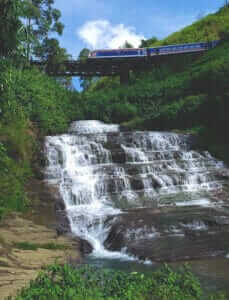
- Devon and St. Clair’s Falls: Classic double-waterfall stops on the road to Nuwara Eliya, where tea fields meet the roar of white water.
- Ulapane and Pussellawa Tea Estates: Quiet estate lanes, factory tours by prior arrangement, and fresh cups poured beside rolling, emerald carpets.
- Kadadora Temple Ruins (seasonal): Visible when water levels drop, these poignant remnants offer a glimpse into submerged histories.
- Ramboda Pass Viewpoints: Hairpin bends, mist, and vistas that reveal how the highlands spill towards the Kotmale basin.
Travel Tips
Small choices that enrich your visit
Arrive early, when birds trade songs across the water and guides have more time to linger over questions. The museum reads best when you are not rushing, and the dam shines in slanted morning light. Carry water, sunscreen, and a hat, since the crest has little shade when the sun chooses to blaze. If a shower moves in, wait ten minutes under a ledge. Rain often passes quickly, leaving air rinsed clean and colors newly vivid.
Public transport works, yet a hired car or tuk-tuk gives you freedom to pause at viewpoints and tea stalls that you will spot on impulse. Cash proves useful in small denominations for museum donations, tea stops, and roadside fruit stands where mango slices sparkle with chili and salt. For families, the museum offers a surprising gift: children lean into engineering displays that feel tactile and clear, and they can stand on the dam crest and measure the size of a landscape with their own eyes.
If you plan to visit several Mahaweli sites, consider pairing Kotmale with the Polgolla barrage near Kandy or with hill country waterfalls along the A5. You will see how the country’s rivers and ridges connect, and how each project speaks to both necessity and care. Most importantly, leave time after the museum to sit by the reservoir and listen. The water holds many stories, and patience helps you hear them.
Conclusion
A river’s memory, held in a quiet room
Kothmale Dam’s Museum will not shout for your attention. It does not need to. It sits beside a wide lake and lets you look, learn, and feel. You walk from a model that explains pressure and flow to a photograph that carries the warmth of a farewell feast, and you understand that progress and remembrance can share a room. Outside, the dam holds steady while swifts stitch patterns through late light, and the hills throw blue shadows that drift like silk.
If you treasure travel that layers beauty with meaning, set a morning aside for Kotmale. The museum adds depth to a view many people only glimpse from a roadside bend. It asks you to honor the valley’s past, to admire the clean logic of the engineering, and to leave with new respect for how a country balances power, water, and community. When you drive away, the hum of turbines may fade, yet the museum’s quiet voice stays with you, steady as the river that shaped it.