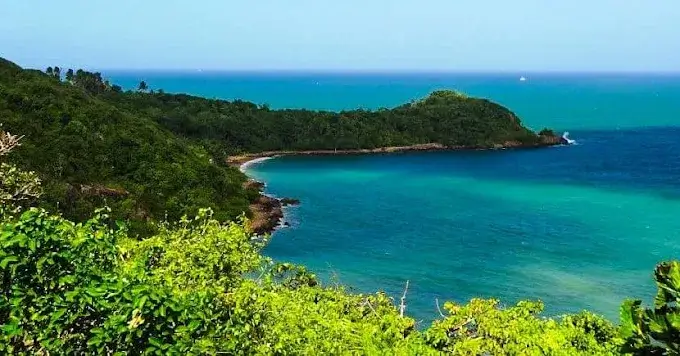
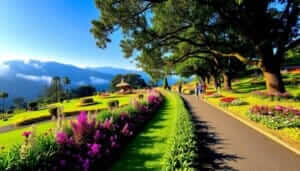
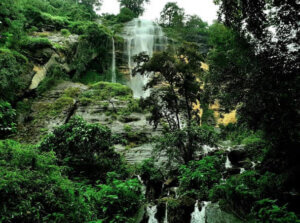
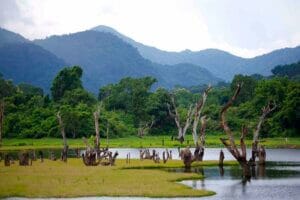
Rumassala Sanctuary spreads over a lush headland just east of Galle, where the jungle meets the sea in a dramatic green sweep. Locals in Unawatuna call it the village hill, yet its slopes hide far more than a pleasant walk. The forest carries a hum of cicadas, the air tastes faintly of salt, and the leaves glow lacquer-green after a morning shower. From almost any bend in the path, you catch a ribbon of cobalt water and a bright scatter of fishing boats below.
This rocky promontory guards the mouth of Galle’s harbor and cradles a small cove known as Jungle Beach. The sanctuary protects a patchwork of dry evergreen forest, rocky scrub, and coral-studded shoreline. You come here for quiet paths, for birdsong, for those slow breaths you forget to take in busy cities. Yet you also come for Sri Lankan layers: tea stalls on the roadside, a white stupa blazing in the sun, and the warm greeting of “Ayubowan” offered with a smile.
Although the hill sits only minutes from Unawatuna’s cafés, it feels worlds away. The canopy muffles traffic, and even the ocean softens to a steady hush. Light pools through breadfruit and jak leaves, and the scent of wild mint drifts from thickets brushed by the sea breeze. Rumassala Sanctuary wraps you in a calm that travelers crave yet rarely find so close to a major town.
Historical or Cultural Significance
Many Sri Lankans grew up with the Ramayana legend, and Rumassala holds a vivid chapter of that epic. People here say the monkey god Hanuman carried a mountain of medicinal herbs from the Himalayas and dropped a piece on this very hill. Whether you take myth as memory or as metaphor, the story lingers in the rustle of leaves. Herbalists still wander the slopes, pointing out leaves that cure a cough, flowers that soothe a sting, and roots that steady a wavering mind.
History left quieter marks as well. Sailors once used this headland as a natural beacon when steering into Galle. Today, a modern navigation light still blinks from the southern edge of the ridge. Monks and residents from across communities climb to the Japanese Peace Pagoda, a serene stupa built in the 1990s. The bell there chimes like a smooth drop of water, and the platform offers an open invitation to reflect on compassion and peace.
Culture here feels intimate rather than staged. You pass families sharing mango slices, and you hear children swap stories about jungle sprites. A small shrine glows with oil lamps at dusk, and incense winds through the underbrush. The sanctuary breathes with everyday life, and that rhythm sets the tone for a thoughtful visit.
How to Get There
Galle sits on Sri Lanka’s southern coast, and Rumassala rises just beyond Unawatuna. You can reach the sanctuary within fifteen to twenty minutes from Galle Fort, depending on traffic and the occasional leisurely herd of scooters.
By Tuk-Tuk from Galle or Unawatuna
Hop into a tuk-tuk near the Dutch Fort or the Unawatuna junction, and ask for the Japanese Peace Pagoda or Jungle Beach. The ride climbs gently through lanes lined with breadfruit trees and tidy gardens. Wind brushes your face, temple bells drift in from the hills, and flashes of blue sea tease you through the green.
By Local Bus
Take any coastal bus toward Unawatuna, then hop off at the main junction. From there, a short tuk-tuk ride or a brisk uphill walk brings you to the sanctuary road. The bus offers a slice of local life, with school kids comparing snacks and aunties offering travel tips with kind authority.
By Scooter or Car
Follow the coastal road south from Galle, then turn inland at the Unawatuna junction and climb toward the ridge. The road narrows near the top, so drive slow and yield when needed. You will see signs for the Peace Pagoda and Jungle Beach carved or painted in friendly, sun-faded letters.
On Foot
Walkers with time will love the approach from Unawatuna. The path snakes through village lanes scented with curry leaves and fresh bread from a tiny bakery window. It gets steep in places, but rest stops appear as viewpoints and shady niches, each one rewarding you with more of the sea.
What to See and Do
Follow the Ridge Trail to Panoramic Lookouts
The main trail rides the crest of Rumassala like a lazy dragon’s spine. In the morning, sunlight pours across Galle Bay, and fishing boats sparkle like scattered silver coins. Leaves dance with drongos and sunbirds, and the wind carries a soft crackle from the scrub. Keep your eyes open for monitor lizards basking on rocks and for shy mongoose scuttling between roots. The views change at every bend, so stop often and savor each frame.
Pay a Quiet Visit to the Japanese Peace Pagoda
The stupa gleams white against the green, and it greets you with a steady, kind calm. Walk the circular terrace and take in a sweeping panorama of Galle Fort, the lighthouse, and the floating blue of the Indian Ocean. If monks or volunteers hold a brief chanting session, stand respectfully and let the sound wash through you. The vibration feels like wind under a sail, gentle yet firm. Dress modestly, remove hats and shoes, and offer a donation if you wish.
Sink into Jungle Beach for Swimming and Snorkeling
Tucked below the ridge, Jungle Beach curves into a sandy embrace with water so clear you can count the fish before you step in. On calm days, coral heads shelter schools of damselfish, and parrotfish nibble like quiet gardeners. Bring a mask and snorkel, and glide along the rocks near the headland. Look out for turtles passing through, and keep a generous distance if you spot one. Swim inside the cove when the sea rises, and heed any local warnings about currents or changing weather.
Watch Birds and Butterflies at Dawn
Arrive early, and the canopy turns into a concert stage. Barbets call with metronome precision, bulbuls chuckle in the vines, and a flash of kingfisher blue zips across a pool. Butterflies drift over lantana blooms like scraps of silk. Bring small binoculars and a light touch. Move slow and quiet, and the forest reveals far more than a checklist ever could.
Meet Herbal Wisdom on the Hillside
Local elders often point out plants with stories longer than any textbook. A sprig crushed between fingers releases a minty note strong enough to clear a stubborn head. A bitter leaf soothes a sore throat. You may find a guide near the trailhead or a friendly shopkeeper willing to share lore while stirring sweet, milky tea. Listen with care, and the hill turns from scenery into a living apothecary.
Chase Golden Light at the Southern Point
Toward evening, wander to the southern edge where a navigation light stands watch. The sky leans into apricot and rose, and the sea draws long lines of molten gold. Fishing boats hum back toward the harbor, and the day relaxes its grip. This is the moment to breathe deep, put your phone away, and let the horizon reset your sense of time.
Best Time to Visit
December to April usually brings the calmest seas and the clearest light. Mornings open crisp and bright, and afternoons soften with a sea breeze. Snorkeling conditions often shine during this window, and sunsets show up with painterly confidence.
From May to September, the southwest monsoon stirs the ocean, and surf slaps the rocks with playful energy. Trails stay beautiful, and the forest glows a richer green, yet swimming can turn tricky. If you love moody skies and dramatic waves, this season rewards you with atmosphere and far fewer crowds.
October and November deliver quick, intense showers and neon-clean air between bursts of rain. Carry a light waterproof layer, and you can still enjoy long walks and quiet pagoda visits. The hill feels secret then, like a story whispered just to you.
Practical Information
Entry to Rumassala Sanctuary remains free, and the trails open from early morning to dusk. The Japanese Peace Pagoda welcomes respectful visitors, and donations keep maintenance steady. Parking hugs the roadside near the pagoda and the Jungle Beach access points, so arrive early on weekends.
Weather swings with the coast. Heat builds by late morning, so bring water, sunscreen, and a hat. After rain, some slopes turn slick, and leeches show up in shady gullies. Closed shoes with good grip help a lot, and light long pants make sense if you plan deep forest walks.
As with any sacred site, follow local etiquette at the pagoda. Shoulders and knees covered, shoes and hats off on the platform, and voices kept low. Avoid flying drones near the stupa or wildlife. Carry your litter back out, and go easy on the plants and corals. Everyone deserves a clean, thriving sanctuary, including those who live here year-round.
Nearby Attractions
- Galle Fort: Walk the ramparts at golden hour, browse small galleries, and sip ginger beer while the lighthouse warms under sunset light.
- Unawatuna Beach: A lively crescent for swimming, café-hopping, and easygoing evenings with acoustic music and fresh seafood.
- Dalawella and Mihiripenna: Watch turtles in gentle shallows, photograph the famous palm swing, and snack on spicy roti by the road.
- Koggala Lake: Drift past cinnamon islands, hear stories from peelers, and taste tea brewed with lake breeze and quiet.
- Habaraduwa Turtle Conservation Projects: Learn about hatchlings, responsible release practices, and how to keep turtles safe in the wild.
- Bonavista Beach and Reef: On calm days, snorkel over corals close to shore, then rest under sea-almond trees with a lime soda.
- Galle Market: Pick up king coconuts, cinnamon sticks, fresh rambutan in season, and spices that bring the island into your kitchen.
Travel Tips
Rumassala rewards unhurried travelers, careful swimmers, and anyone who values respect for nature and community. A few simple choices keep your experience smooth and memorable.
- Start early to avoid heat and find Jungle Beach calm, clear, and quiet.
- Wear sturdy shoes, since roots, rock, and leaf litter make playful obstacles.
- Carry water in a reusable bottle, and refill in town to reduce plastic waste.
- Pack a mask and snorkel, and use reef-safe sunscreen to protect corals.
- Keep a respectful distance from monkeys, and never feed wildlife.
- Dress modestly if you plan to visit the pagoda, and bring a light scarf or sarong.
- Ask locals about currents before swimming, especially outside the cove.
- Choose weekdays for quieter trails, and time sunset at the southern point.
- Learn a few phrases like “Ayubowan” and “Bohoma istuti,” which open doors and hearts.
- If mobility is limited, arrive by tuk-tuk to viewpoints near the pagoda for big scenery with minimal steps.
Conclusion
Rumassala Sanctuary feels like a generous friend who knows when to speak and when to listen. The hill offers storytelling in green, blue, and salt. It shows you herbs that heal and paths that wander for pleasure, then gifts you a quiet cove to float in as the sun climbs. You leave without rushing, because something about this place slows the clock and clears the clutter.
Come for the legends, the white curve of the Peace Pagoda, and the coral gardens that glitter under calm seas. Stay for warm neighborhood smiles, for tea poured into chipped cups, for a forest that sings in small, steady notes. On this hill outside Galle, the island gathers itself into a single, welcoming embrace, and you become part of its story for a while.