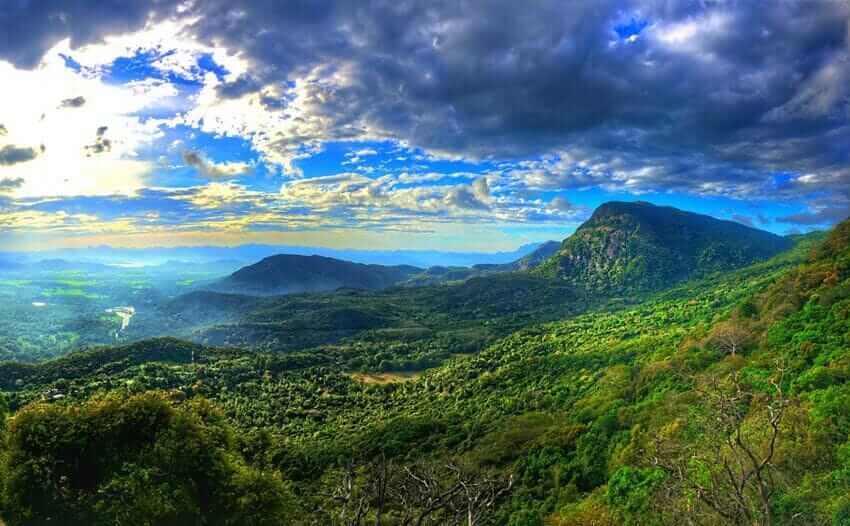
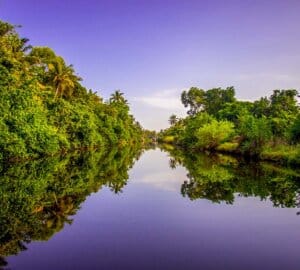
Where the broad shoulders of Sri Lanka’s central hills soften into sunlit valleys, the Victoria Randenigala Rantembe Sanctuary fans out along a shimmering chain of reservoirs on the Mahaweli River. Locals shorten it to VRR Sanctuary, yet the full name reads like a map, tracing the three great dams that hold the water in sinuous blue curves: Victoria, Randenigala, and Rantembe. You will find it east of Kandy, stretching toward Mahiyanganaya, where mountains give way to low country heat, and the river breathes with the rhythm of the monsoon seasons. This landscape protects one of the island’s most important watersheds, and it shelters a mosaic of forest, scrub, and grassland that turns a luminous green after rain.
The sanctuary’s significance starts with water. These reservoirs feed a web of canals and turbines that power homes and irrigate fields far beyond the valleys you see, yet the protected forests here also cradle wildlife ranging from elephants wandering in quiet family groups to fishing eagles scouting from high thermals. The edges of the reservoirs unfurl into coves and peninsulas, some bare rock the color of cinnamon, some cloaked in dark evergreen thickets where the calls of drongos and barbets roll like a song you can’t quite place. For travelers who want a taste of Sri Lanka’s wild heart without overwhelming crowds, VRR offers just that, in the hush of early mornings and the gold-tinted calm of late afternoon.
Historical or Cultural Significance
Below the placid surface of the reservoirs, the Mahaweli River whispers long histories. For centuries, this river nourished terraced paddy fields and small chenas, and it still shapes village life. In the late twentieth century, the Mahaweli Development Project transformed the central and eastern provinces, building the Victoria, Randenigala, and Rantembe dams to harness water and generate electricity. The sanctuary grew as a necessary buffer, protecting the catchment and the animals that had always moved along this river corridor. Old Teldeniya lies underwater now, a memory for elder traders who once sold tea and treacle by the roadside, while New Teldeniya rose on higher ground, townspeople adapting with the grace you often see in the hills.
Cultural threads hold tight here. You pass shrines garlanded with jasmine, and you hear temple bells ripple across evening air as the sun slips behind the knuckled ridges. In Mahiyanganaya, the river bends near a stupa that many believe to be one of the oldest Buddhist sites on the island, and villages still welcome travelers with a plate of sliced jakfruit or a cup of sweet black tea. The sanctuary, then, is not only a refuge for animals; it is also a living landscape where people, water, faith, and forest keep company.
How to Get There
From Kandy
Most visitors set out from Kandy, climbing into a tuk-tuk with its cheerful buzz or boarding a bus that hums down the A26 road. The route snakes past Digana and New Teldeniya, and the hills lose their mist as you descend. Spice gardens flash by in bursts of green, pepper vines and cinnamon under light-filtered canopies, and vendors hold up packets of roasted peanuts, still warm. As the road slips closer to the water, the reservoirs appear in sudden reveals: a glassy stretch framed by ridges, or a glimpse of a dam wall like a grey ribbon threaded between cliffs.
From Colombo and the East
Driving from Colombo, you follow the A1 to Kandy and then continue east on the A26. The journey takes several hours, so break it with a snack in Kadugannawa or a tea stop in Kandy’s lakefront cafes. If you come from the east, from Mahiyanganaya or Padiyatalawa, the road rides the heat and then rises gently, offering outlooks over the river like a long, coiling mirror. In every direction you meet different faces of the sanctuary: sun-glittered bays with resting cormorants, bamboo thickets with chattering langurs, and sudden clearings where a peafowl struts with a proud, iridescent shimmer.
Arriving at the Sanctuary Edge
Public roads trace the edge of the protected area, and most viewpoints sit near villages or dam access points. The Victoria Dam road from Teldeniya leads to celebrated lookouts, while by Randenigala, a series of bends gives you repeated, dizzying vistas that play with light and shadow all day. The air smells of warm rock, resin, and the faint tang of waterweed. In the wet months, crushed leaves release a peppery scent under your tyres or shoes. By the time you step out to a viewpoint, you feel the wind rising off the water, carrying the cry of a black-hooded oriole from the opposite shore.
What to See and Do
Watch for Elephants at Dusk
Elephants move along the tree line with purposeful calm, and dusk finds them near the water’s edge. Park at legal lay-bys and scan the far banks with binoculars. You often spot small herds, ears flapping slowly, trunks testing the breeze before they step out to drink. Give them distance and quiet. The moment when a matriarch urges calves forward, the water rippling around their ankles, stays with you for years, not because it is dramatic, but because it feels like the rhythm of the place itself.
Birding on the Reservoir Fringes
Birding here rewards patience. Kingfishers perch on low branches, their blues and oranges glowing against olive water. Stork-billed kingfishers strike the surface with a splash that sounds like a dropped pebble. Above, grey-headed fish eagles circle with a sharp, piping call, while bee-eaters flick along grassy banks in quick, emerald flashes. Early mornings bring a chorus: barbets tock in the canopy, drongos mimic other birds, and peafowl call from the scrub with a haunting echo that carries across the coves. A simple field guide and a thermos of tea turn a roadside hour into a small expedition.
Scenic Viewpoints and Photography
Photographers gravitate to the Victoria and Randenigala viewpoints, where the river tightens into deep channels and peninsulas taper toward the light. Arrive for sunrise when a grey veil of mist hangs between ridges, and the first color warms the rock faces. The reservoirs reflect the sky with painterly moods, slate one minute and silver the next. Look for compositions that pair water with forest silhouettes, or use the curve of a shoreline to draw the eye into the frame. Even phone cameras sing here, because the light is generous and the horizon feels clean.
Forest Edges and Small Walks
Short walks along permitted tracks reveal the sanctuary’s texture. Underfoot you feel a springy mix of leaf litter and sand. Palu and weera trees lean over the path, their bark polished by wind, with the river’s breath flowing up the slope. Butterflies patrol sunny patches, cobalt and lemon in quick, insistent loops, while skinks dart like tiny, living commas. Always check local guidance before stepping off public roads, as much of the sanctuary lies under strict protection. When in doubt, hire a community guide who knows the routes and understands where wildlife moves.
Dam Architecture and River Engineering
The dam sites provide more than scenery; they tell a story of engineering threaded through a living landscape. With the right permissions, you can visit official viewpoints near Victoria and Randenigala, where the scale becomes clear. Water funnels through spillways with a controlled roar during release days, and the vibration under your feet feels like the heartbeat of the valley. These are places where hard hats and safety rails meet kapok trees and swooping swallows, and where you appreciate the delicate balance between energy needs and ecological care.
Best Time to Visit
VRR Sanctuary invites visits year-round, yet the character shifts with the seasons. The drier months, usually from July to September and again from January to March, favor wildlife viewing. Elephants and deer come to open shores, and tracks stay firm for roadside rambles. Skies often blaze with clear light, and sunsets burn orange behind the ridges. During the wetter spells, the forest deepens into a lush, perfumed green, with afternoon clouds piling up like mountains. Rain falls in brief, intense bursts, drumming on leaves and roofs, and the reservoirs lift in mood and volume, turning every overlook into a study in texture.
Morning and late afternoon remain the sweet spots. Dawn carries cool air and birdsong that rings like a bell in a chapel. Late afternoon throws long shadows over the water, and the colors soften into an artist’s palette of mauve, bronze, and ink. Midday brings heat and glare, so plan a siesta with a village lunch: red rice, a clay pot of dhal, jackfruit curry scented with mustard, and a spoon of coconut sambol that wakes the senses.
Practical Information
Entry to many viewpoints follows public roads, and you do not pass a single gate in most sections. Certain tracks and interior areas require permits from the Department of Wildlife Conservation. Check in advance at regional offices in Kandy or Mahiyanganaya, or ask your accommodation to arrange a licensed guide. If you plan to visit dam viewpoints, carry your passport or national ID, as security checks can apply and access may change without notice.
Days run warm, between 24 and 32 degrees Celsius, and humidity can climb near the water. Evenings cool enough for a light layer, especially after rain. Wear breathable clothing in earth tones, and bring a hat, sunscreen, and plenty of water. In wetter months, leeches may find you on shaded paths; leech socks or a dab of salt handle them quickly. Swimming is unsafe because of strong currents, fluctuating water levels, and the presence of crocodiles, so enjoy the water from the shore. Respect local customs by dressing modestly in villages and at shrines, asking before photographing people, and keeping noise low near wildlife and temples. Everyone deserves to feel comfortable in shared spaces, including animals that use these edges as corridors.
Nearby Attractions
- Kandy and the Temple of the Tooth: a living center of culture, music, and evening drumming beside a serene lake.
- Knuckles Mountain Range: cloud forests, terraced hamlets, and ridgelines with sweeping views and cool breezes.
- Victoria Golf and Country Resort: rolling fairways that double as birding grounds at dawn and dusk.
- Mahiyanganaya and the ancient stupa: a river town with a calm pace and access to lakeside sunsets.
- Dambana Indigenous Cultural Centre: meet Vedda community members who share stories, crafts, and forest knowledge.
- Rathna Ella Falls near Hasalaka: a lacework of water in a green amphitheater, best after rains.
- Wasgamuwa National Park: open-country safaris for elephants, deer, and raptors along broad tanks and grasslands.
Travel Tips
- Start early to catch cool air, clear views, and peak animal activity around water.
- Carry binoculars; distances can be deceptive across wide coves and peninsulas.
- Hire local guides for context and safe route choices; your visit supports community livelihoods.
- Pack out all rubbish and avoid single-use plastics; the wind moves light items straight into the water.
- Keep at least 50 meters from elephants and never block their path; give them an easy escape route.
- Bring cash for small shops and tea stalls; card facilities remain rare in rural stretches.
- Download maps for offline use; mobile reception dips in valleys and near cliffs.
- Taste seasonal fruit from roadside sellers, like woodapple and pineapple, but choose vendors using reusable containers.
Conclusion
Victoria Randenigala Rantembe Sanctuary earns its long name with a long, generous experience. It urges you to slow down, to listen, and to watch how water curls against rock and how wind combs the treetops. You can stand by a railing, fingers warm from a paper cup of tea, and feel the valley breathe, full of life that moves to older rhythms than ours. Elephants step through pale grass, an eagle tilts a wing into a rising current, and a fisherman pedals home with a basket of greens for dinner. In that simple weave of human and wild, you find a Sri Lankan valley alive with grace.
Come with humility and curiosity, and the sanctuary opens like a well-thumbed book. The pages smell of resin and river, and every turn reveals a new line of light across the water. When you leave, you carry more than photographs. You carry the sound of barbets at dawn, the hush of rock warming under the sun, and the feeling that you touched the island’s pulse where the Mahaweli bends and the hills decide to rest.