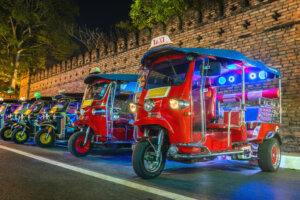
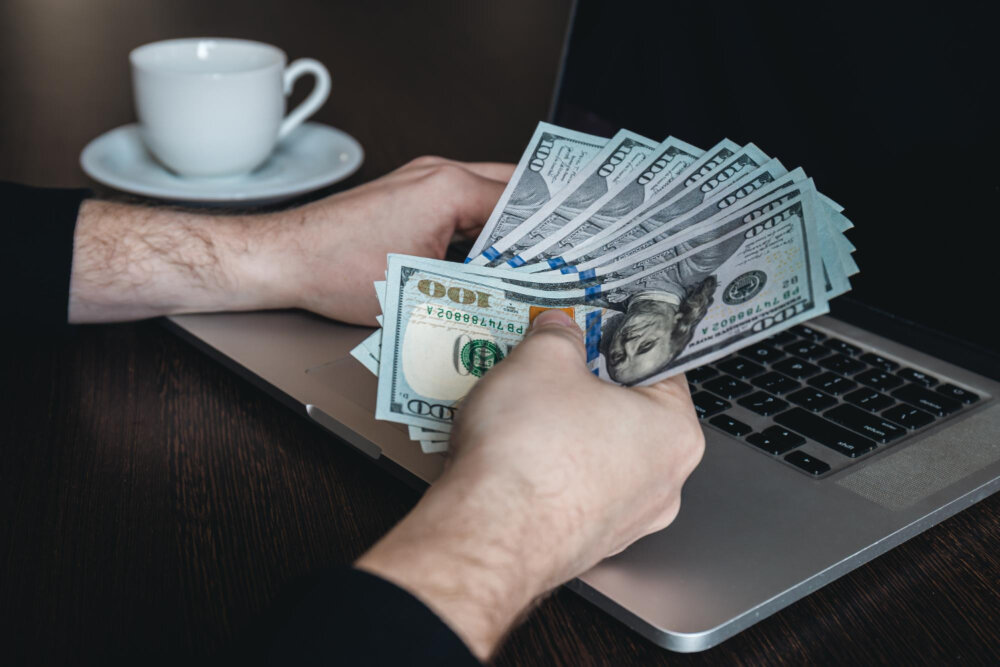
Exchanging money in Sri Lanka seems simple at first glance, yet a few smart moves can save you time, money, and stress. You will pay tuk-tuk fares, buy king coconuts on hot afternoons, and tip generously for great service, so cash matters. Cards work in many places, but the rhythm of travel still runs on rupees. I have navigated bank queues in Colombo, counted notes in busy Kandy streets, and learned which counters give clean deals without hassle. This guide shares clear, practical steps to exchange money safely in Sri Lanka, with no fluff and lots of real-world detail.
Overview of the Experience
The local currency is the Sri Lankan Rupee (LKR). You will see large brown 5,000 notes and smaller, colorful bills from 20 rupees upwards. ATMs are widespread in cities and towns, while cash exchange remains easy at banks and licensed money changers. Airports offer 24/7 counters with fair but not amazing rates, which works well for your first taxi and SIM card. In tourist hubs like Negombo, Galle, Ella, and Kandy, you can compare rates quickly because licensed changers sit close together.
Banks in Sri Lanka, including Commercial Bank, Sampath Bank, HNB, People’s Bank, and Bank of Ceylon, operate reliable ATMs and currency exchange desks. Expect modest ATM fees and withdrawal limits that vary by bank. Card acceptance is decent at hotels, supermarkets, and mid-range restaurants. You will still need cash for street eats, local buses, tips, and small attractions. Exchange receipts matter if you plan to convert rupees back to foreign currency before departing.
Rules change, so always check Sri Lanka Customs for current thresholds on declaring large amounts of foreign currency and limits on taking local currency out of the country. A quick check before you fly prevents surprises at the airport.
Step-by-Step Guidance or Key Tips
On Arrival: Start Small and Smooth
After landing, walk past baggage claim to the row of bank counters. Rates are reasonable and the process is straightforward. I usually change enough for the first 24–48 hours, which might be 10,000–20,000 LKR depending on plans. This covers a taxi, a local SIM, snacks, and your first meal. Keep all receipts neatly folded into your passport wallet.
- Ask for smaller notes so you can pay tuk-tuk drivers and buy small items without stress.
- Count notes at the counter and confirm your receipt reflects the exact amount.
- Compare two counters if lines are short; small differences add up over a long trip.
Using ATMs: Safe, Simple, and Local Currency Only
ATMs give the best balance of convenience and rates for most travelers. Use machines attached to a bank branch during business hours, so staff can help if anything goes wrong. Cover your PIN, watch for skimmers, and avoid standalone machines in dark corners.
- Choose “charge in local currency” if asked; avoid dynamic currency conversion, which inflates costs.
- Expect a machine fee (often a few hundred rupees) and a per-withdrawal limit that might sit between 50,000 and 100,000 LKR.
- Withdraw larger amounts less often if your bank at home adds fees; store cash securely at your accommodation.
- If the machine declines your card, try another bank, reduce the amount, or switch to a debit card rather than credit.
Exchanging Cash at Banks and Licensed Money Changers
Authorized money changers and banks offer safe cash exchange. Look for a visible license, clear signage, and a printed rate board. You will often get better rates for 50 and 100 USD or EUR notes. Older, torn, or scribbled bills may be rejected, so bring clean notes from home.
- Ask, “How many rupees will I receive for X dollars, net of any fees?” and let them write the total on paper.
- Count your money at the counter using the tray, and take your time. No one should rush you.
- Carry your passport for bank exchanges; you may fill a short form.
- Always keep exchange receipts; you will need them if you plan to reconvert rupees at departure.
Paying by Card: When It Works, and When to Use Cash
Cards work well in hotels, chain supermarkets, and many mid-range restaurants. Independent guesthouses, market stalls, and small cafes prefer cash. When paying by card, ask the server to charge in LKR and keep your card in sight. A quick check of the amount on the terminal avoids accidental extra zeros.
Challenges and How to Overcome Them
Street changers may offer tempting rates, yet the risk of counterfeit notes, short-counting, or a disappearing act outweighs the gain. I walk away every time and stick to banks or licensed counters. A friendly smile and a “no thanks” keeps the interaction calm and brief.
Public holidays, especially monthly Poya days, can close banks. In smaller towns, exchange options thin out on those days. Plan ahead by withdrawing cash the day before, or exchange at a licensed counter in a larger hub.
ATMs occasionally go offline or run out of cash. Try another bank, switch neighborhoods, or visit a branch during business hours. If your card gets captured, take a photo of the ATM, note the time, and walk inside the branch for help. Patience and a polite tone work wonders.
Breaking large 5,000 notes can be tricky with small purchases. Supermarkets and fuel stations usually have change. I often buy water or fruit at a chain store right after an ATM withdrawal to get smaller notes for tuk-tuks and tips.
Money-Saving or Safety Advice
- Track the mid-market rate in an app before you exchange. You will judge offers quickly and avoid inflated commissions.
- Split your cash: a daily wallet for small spends and a backup stash locked in your hotel safe or hidden pouch.
- Photocopy or digitally store your passport, cards, and exchange receipts. Quick access helps if you lose anything.
- Ask for smaller denominations at the counter. Daily life runs easier with 100, 200, 500, and 1,000 rupee notes.
- Never accept an exchange in a taxi, tuk-tuk, or on the street. Politely decline and find a licensed counter instead.
- Avoid dynamic currency conversion at ATMs and card terminals. Always select “LKR” for the charge.
- Compare two or three counters in tourist areas, then choose the place that gives a clear “total rupees you receive” amount in writing.
- If you must send yourself money, use a well-known remittance service to a named pickup location, bring your passport, and check fees first.
- Check Sri Lanka Customs rules before you travel. Large foreign currency amounts may need declaration, and limits apply to taking rupees out.
- Plan to reconvert leftover rupees at the airport bank with your original receipts. Rates are fair and the process is simple.
Final Thoughts
Sri Lanka rewards travelers who prepare well and move with curiosity. Exchange a little at the airport, lean on ATMs at reputable banks, and use licensed counters when you carry foreign cash. Ask for small notes, keep receipts, and always choose local currency at machines and card terminals. These steps protect your budget and your energy, so you can focus on what matters: sunrise on tea-covered hills, the rhythm of the ocean trains, and the generous smiles you meet along the way. With the right money habits, you will travel Sri Lanka with confidence, clarity, and ease.
Continue Reading
-
How to Travel Sri Lanka as a Solo Female Traveler
Sri Lanka has a way of surprising solo travelers in the best possible way. One day you sip tea with…
-
Tips to Avoid Overpaying for Tuk Tuks
Nothing says Sri Lanka quite like the zippy hum of a tuk tuk weaving through palm-fringed streets. These three-wheelers are…
-
Sri Lanka Best SIM Cards & Mobile Data Plans for Tourists
Landing in Sri Lanka feels magical until your phone shows “No Service.” A local SIM card turns that around fast.…