Sri Lanka rewards curious travelers with jungle-green hills, tea-scented air, and sunsets that feel like a warm embrace. Safety may not be the first thing you daydream about when you picture its beaches and temples, yet it matters for every itinerary. When you know how to navigate transport, culture, weather, and health, you travel with ease. You make confident choices, and you give more attention to the views and the conversations that make a trip memorable.
I have crossed its busy roads, shared tea with smiling families, and watched trains snake through misty valleys. I have learned that Sri Lanka feels welcoming and manageable when you carry a few local habits. This guide blends firsthand travel lessons with practical steps. Use it to stay safe in Sri Lanka, travel respectfully, and enjoy every coconut, curry, and coastline with peace of mind.
Overview of the Experience
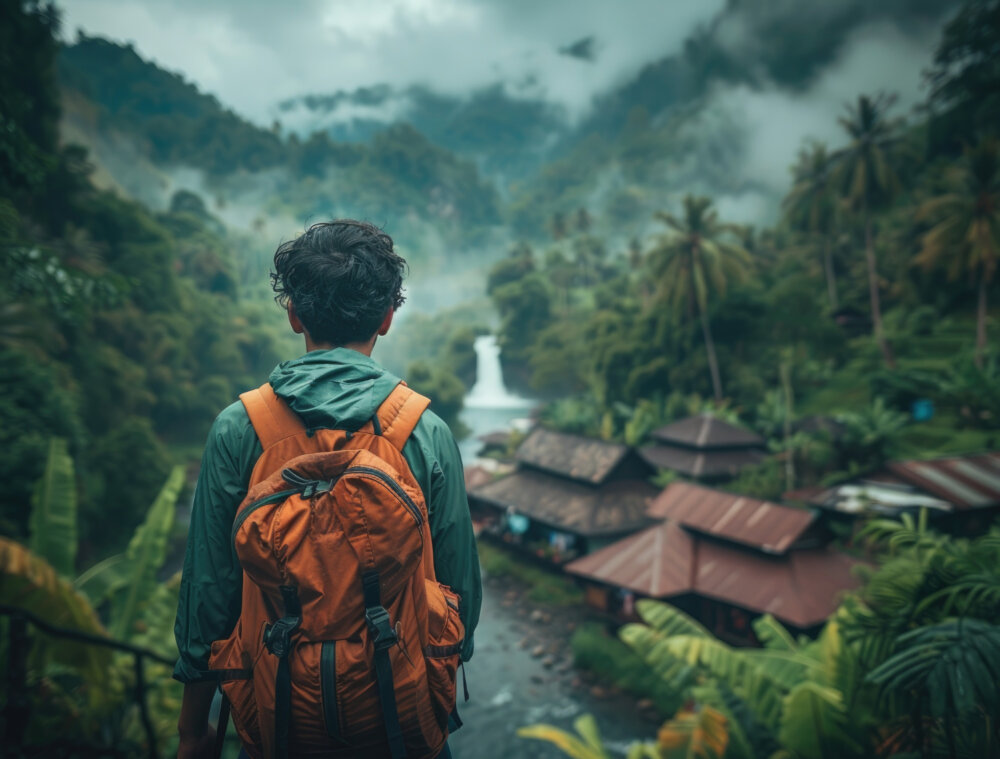
Sri Lanka is friendly, layered, and lively. You will find coastal towns where surfers pad barefoot to cafés, and mountain villages where mornings begin with birdsong and hot hoppers. Many travelers feel safe walking around by day. The country balances big smiles with bustling scenes, especially in Colombo, Kandy, and major beach hubs. Traffic moves with a dance of horns and hand signals, which can look chaotic at first glance.
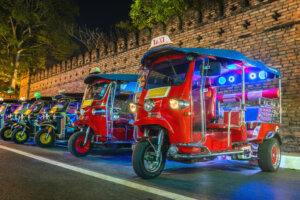
Public transport reaches far-flung corners. Trains offer dreamy views but can be crowded. Buses are frequent and fast. Tuk-tuks zip through lanes and make short trips easy. Food ranges from street-side roti to fragrant rice and curries, often spicy and fresh. You will meet helpful people and a strong sense of community. Still, normal travel smarts apply. Watch your bag in crowds, agree on fares, and treat weather and the ocean with respect.
Culture runs deep at temples and sacred sites. You remove shoes, dress modestly, and move with calm. Conversations flow best when you greet people first and ask before taking photos. Many travelers say Sri Lanka feels safe overall. Your experience will mirror the care you bring and the awareness you keep.
Step-by-Step Guidance or Key Tips
Follow these practical steps to keep your trip smooth and secure, from touchdown to beach sunsets.
- Before you go: Buy travel insurance that covers medical care, evacuation, and activities like hiking or surfing. Check routine vaccines and speak to a travel clinic about dengue prevention tips.
- Arrival basics: Use official airport taxis or rides via PickMe, a reliable local app. Get a local SIM from Dialog or Mobitel at the airport for maps, translation, and emergency calls.
- Cash and ATMs: Withdraw money at ATMs inside banks or malls. Keep small bills for tuk-tuks and street food. Split your cash and cards between two places.
- Tuk-tuks: Ask drivers to use the meter or agree on a fare before you move. PickMe shows transparent pricing and reduces haggling stress.
- Trains and buses: Reserve seats on popular routes when possible. Avoid the footboard for photos, especially on curves. On buses, keep your daypack on your lap.
- Night moves: Plan evening rides door-to-door. Choose registered taxis or app rides after dark. In small towns, ask your guesthouse to arrange trusted transport.
- Road crossings: Look both ways, then look again. Lanes feel fluid, so make eye contact with drivers when possible. Cross with locals if traffic seems intense.
- Beach sense: Rips can be strong on the south and east coasts. Swim where lifeguards watch or where locals swim. If in doubt, stay waist deep and ask for advice.
- Wildlife respect: Give elephants a wide berth, even on roads near national parks. Do not feed monkeys. Keep snacks and phones zipped away around them.
- Food and water: Choose places with a steady turnover. Eat food that is hot and freshly cooked. Stick to bottled or filtered water and check the seal before you drink.
- Temple etiquette: Cover shoulders and knees, remove shoes and hats, and face Buddha statues with respect. Avoid photos that show your back to a Buddha image.
- Dress code: In towns and temples, modest clothing earns smooth interactions. On beaches, normal swimwear works. Cover up when you leave the sand.
- Solo travel: Walk with confidence, choose central streets, and sit near families on buses or trains. Share your live location with a trusted contact when you head out.
- Scam radar: Decline unsolicited “gem deals,” “spice garden tours,” and “the museum is closed” stories. Smile, say no thanks, and keep moving.
- Emergency contacts: Save key numbers like Police 119, Ambulance 1990, and the Sri Lanka Tourism Hotline 1912. Confirm current numbers on arrival.
Challenges and How to Overcome Them
Every country brings a few curveballs. You can handle these with calm steps and local know-how.
Fast traffic and close overtakes can rattle new visitors. Choose drivers through your hotel or PickMe for safer rides. Take trains or private transfers for long hops if buses feel too intense.
Monsoon rains arrive in bursts. Roads can flood, and trails get slick. Pack a light rain jacket and shoes with grip. Check local forecasts, and ask your host about current conditions before day trips.
Heat and humidity drain energy. Hydrate often, add electrolyte tablets, and plan active sightseeing in the morning or late afternoon. Take a midday break when the sun peaks.
Crowds can thin your attention. Use a cross-body bag that zips. Keep your phone in front pockets or a zipped pouch on trains and markets.
Overfriendly touts may push guides or shops. Set a boundary with a kind but firm “No, thanks.” Walk into a café or shop if someone follows, and ask staff for help if needed.
- If a beach looks rough: Ask lifeguards or locals before you swim. Choose a sheltered bay when surf grows heavy.
- If you feel unwell: Use your travel insurance helpline for clinic guidance. Carry basic meds for stomach issues and rehydration.
- If protests or parades appear: Take a different street and keep a low profile. Large gatherings can shift quickly.
- If your plan breaks: Buses run often. Trains offer backups. A guesthouse host can usually find a driver in minutes.
Money-Saving or Safety Advice
Good habits help you protect your budget and your wellbeing, without shrinking your adventure.
- Transport savings: Use PickMe in cities to avoid overpaying. For day trips, compare a private car with a train-bus combo. Sometimes the scenic route costs less and delights more.
- Fair fares: If a tuk-tuk meter “doesn’t work,” thank the driver and choose another one. The next tuk-tuk is usually steps away.
- Accommodation: Pick guesthouses with many recent reviews that mention safety and cleanliness. Ask for a room with a fan or net if mosquitoes worry you.
- Healthy choices: Wear repellent with DEET or picaridin, especially at dawn and dusk. Dengue is mosquito-borne, so prevention begins with bites you never get.
- Sun strategy: The sun feels strong. Use reef-safe sunscreen, a hat, and a light long-sleeve shirt. Reapply before you hit the water and after you swim.
- Water refill: Many cafés and eco-hotels offer filtered refills for a small fee. Bring a reusable bottle to save money and cut plastic waste.
- Food budget: Eat where locals eat. Buffet-style rice and curry sets are affordable and generous. Ask for “less spicy” if you prefer mild flavors.
- Documents: Carry a digital copy of your passport and insurance. Keep the physical passport locked at your hotel unless a train office or bank requests it.
- Cards and cash: Some ATMs add fees. Withdraw a larger amount less often, and store a backup card in a separate place.
- Surf and swim: Rent boards from reputable shops that include a leash and advice about currents. Watch the water for ten minutes before you jump in.
- Scooters: Only ride if you hold the correct license and feel confident in dense traffic. Wear a helmet every time, or hire a driver instead.
- Respect equals safety: Modest dress near temples, kind greetings, and patience at queues go a long way. Respect builds goodwill, which often becomes quiet protection.
Final Thoughts
Sri Lanka invites you to slow down, sip that second cup of tea, and let the rhythm of island life set your pace. Safety grows from small choices you repeat every day. You greet drivers, read the ocean, carry water, and trust your gut. You ask locals for guidance, because they know their hometowns best.
When you travel with care, Sri Lanka opens up with generosity. You get golden hours on empty beaches, train windows filled with emerald hills, and stories that start with a shared snack. Pack your curiosity and these tips, stay present, and enjoy the island with confidence. The moments you remember most will be the ones you felt fully there, safe and free to say yes to the day.
Continue Reading
-
How to Travel Sri Lanka as a Solo Female Traveler
Sri Lanka has a way of surprising solo travelers in the best possible way. One day you sip tea with…
-
Tips to Avoid Overpaying for Tuk Tuks
Nothing says Sri Lanka quite like the zippy hum of a tuk tuk weaving through palm-fringed streets. These three-wheelers are…
-
How to Exchange Money Safely in Sri Lanka
Exchanging money in Sri Lanka seems simple at first glance, yet a few smart moves can save you time, money,…