
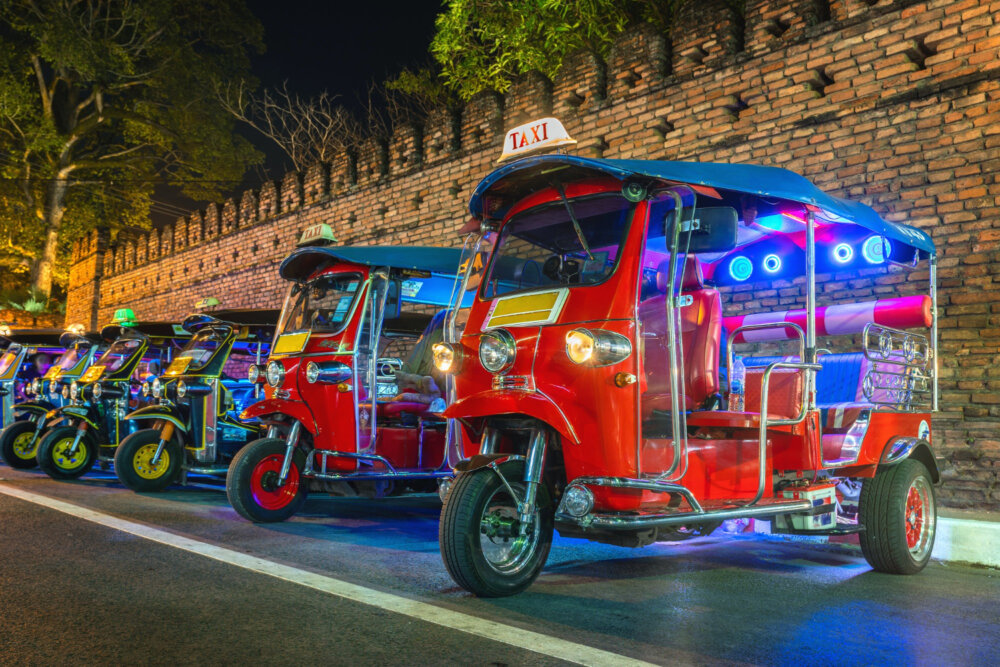
Nothing says Sri Lanka quite like the zippy hum of a tuk tuk weaving through palm-fringed streets. These three-wheelers are part of daily life, and they can be the fastest, most flexible way to hop between beaches, markets, and temples. Still, first-time visitors often worry about paying too much. I did, too. A few smart habits changed that for me, and they can help you avoid overpaying for tuk tuks in Sri Lanka while keeping every ride friendly and fair.
This guide blends practical steps with real traveler insight. You will learn when to ask for the meter, how to use local ride-hailing apps, and what to do if a driver pushes for a high flat fare. You will also get safety tips, local phrases, and clear advice for busy areas like Colombo, Kandy, Galle, and Negombo. With a little preparation, you can negotiate confidently, pay the right price, and enjoy the ride.
Overview of the Experience
Tuk tuks in Sri Lanka are everywhere. In big cities, you will find both metered rides and drivers who prefer a flat price. In many smaller towns, meters are less common, so a quick negotiation sets the fare. The key is to know your options and keep the tone respectful. Most drivers work long hours and appreciate direct, kind communication.
In Colombo and other large hubs, many tuk tuks use a meter that shows the base fare and the distance rate. You can also hail through local apps like PickMe, and sometimes Uber, which display live estimates before you book. Apps are great for setting a baseline price, even if you plan to flag a tuk on the street. Outside the cities, price awareness matters more. You will rely on common sense, short negotiations, and a good idea of the route distance.
A typical ride is breezy and fun, with the wind in your hair and street life at eye level. Keep your bag inside the cab, sit comfortably, and watch your knees at tight corners. When traffic gets dense, tuk tuks can slip through with ease, which keeps travel time surprisingly reasonable. At the end, you pay in local cash and step out with a smile. Simple, if you know the basics.
Step-by-Step Guidance or Key Tips
Before you hail
Start with a baseline. Open PickMe or another local app to check the estimated fare for your route. If the app is not available, use Google Maps to measure the distance and ask your hotel staff what a fair price might be. This quick step sets your expectation and gives you confidence when you speak with a driver.
- Walk a block away from major tourist spots, train stations, or hotel gates to find more reasonable starting offers.
- Carry small bills in Sri Lankan rupees (LKR). Keep LKR 50, 100, 200, and 500 notes handy for exact change.
- Download offline maps and get a local SIM for data. Navigation helps you avoid detours and confusion.
Starting the ride
Greet the driver and state your destination clearly, using a landmark if possible. Ask for the meter first. A friendly line in Sinhala, “meter eka on karanna” (please turn on the meter), or in Tamil, “meter-a podunga,” can help. Many drivers respond well when you make the effort to use local phrases.
- If the driver agrees to the meter, confirm the starting amount shows on the display before moving.
- If the driver does not want to use the meter, offer a flat price based on your app estimate. Add a small, fair buffer for traffic and convenience.
- Confirm whether the price is total, not “per person.” Tuk tuks charge per ride.
During the ride
Track the route on your phone to ensure you are heading the right way. If the driver suggests a detour, ask why. Sometimes it saves time due to one-way streets or construction. If it seems off, request a return to your preferred route with a smile. A calm tone solves most issues fast.
- Keep your bag on the inside, away from the open side, and hold your phone securely.
- Stay relaxed. Most drivers want a smooth, honest ride and repeat customers.
- Enjoy the scenery. Tuk tuks offer the best street-level sightseeing.
Paying and wrapping up
At the end, pay the agreed amount or the meter total. Hand over exact change if possible. If the driver was great, a small tip is welcome, though not required. Always gather your belongings before stepping off the curb. A quick “istuti” (thank you in Sinhala) or “nandri” (thank you in Tamil) ends the ride on a warm note.
- If you booked through an app, confirm the final fare matches the estimate, factoring in time or distance changes.
- Snap a photo of the license plate or note the driver’s name if you want a future pickup.
- If you felt pressured or overcharged, leave clear, respectful feedback in the app or with your hotel.
Challenges and How to Overcome Them
Not every ride goes perfectly. Sometimes a driver refuses the meter or quotes an inflated price. You might hear “meter broken,” especially in touristy zones. In heavy rain or during peak hours, prices can spike. A few simple tactics keep you in control without argument.
- High quote at a hotspot: Thank the driver and step away. Walk two minutes and try again. Better offers appear quickly.
- Language barrier: Use a map pin and show the route on your screen. Keep sentences short and clear.
- No change for large bills: Show your small notes first. If you only have big bills, ask to stop at a small shop to break them.
- Unwanted detours to shops: Smile and decline. Say you are late and need to go directly.
- Rural rides without meters or apps: Ask a local for a fair range, set a price before moving, and keep it friendly.
- Late-night rides: Pre-book with PickMe where available, or agree a price at the start and share your live location with a friend.
Kindness works best. If someone will not budge on a high fare, let that ride go. Another tuk tuk will come along soon, especially in cities and along main roads.
Money-Saving or Safety Advice
- Use apps as your baseline. PickMe and, in some areas, Uber, display realistic prices and keep drivers accountable.
- Check the meter before moving. If it is on, great. If not, set the fare upfront and confirm it covers everyone in the vehicle.
- Avoid hailing right outside big hotels, major stations, or famous sites. Walk a short distance for fairer offers.
- Carry small cash. ATMs often dispense large notes. Break them at supermarkets or cafes before your ride.
- Mind peak traffic. Morning and evening rush hours bring delays and higher prices. Leave earlier when possible.
- Know when to skip the tuk. From the airport to Colombo, a car makes more sense and often costs less per kilometer.
- Share your location with a friend and keep your phone secure. Sit your bag on the inner side.
- Watch the weather. Heavy rain can flood streets and slow traffic. Consider a car or wait for a break in the storm.
- Learn three phrases: “meter eka on karanna” (please use the meter), “straight, please,” and “thank you.” Polite effort goes a long way.
- Respect fair pay. A small tip for great service supports local livelihoods and builds goodwill.
These habits help you avoid overpaying for tuk tuks in Sri Lanka while keeping interactions warm and positive. Most rides will feel quick, good value, and memorable when you set expectations early and keep things polite.
Final Thoughts
Tuk tuks make Sri Lanka feel close and real. They let you smell the spice stalls, hear temple bells at dusk, and chat with drivers who know every back road. With a few simple steps, you can avoid overpaying for tuk tuks in Sri Lanka and enjoy each trip with confidence. Check an app for a baseline, ask for the meter, negotiate kindly when needed, and carry small notes. If an offer feels off, smile, decline, and try the next ride.
Travel is smoother when both sides feel respected. Pay fair, stay curious, and keep your sense of humor. The open side of a tuk tuk is an invitation to experience Sri Lanka up close, and with these tips, you can ride it well.
Continue Reading
-
How to Travel Sri Lanka as a Solo Female Traveler
Sri Lanka has a way of surprising solo travelers in the best possible way. One day you sip tea with…
-
How to Exchange Money Safely in Sri Lanka
Exchanging money in Sri Lanka seems simple at first glance, yet a few smart moves can save you time, money,…
-
Sri Lanka Best SIM Cards & Mobile Data Plans for Tourists
Landing in Sri Lanka feels magical until your phone shows “No Service.” A local SIM card turns that around fast.…