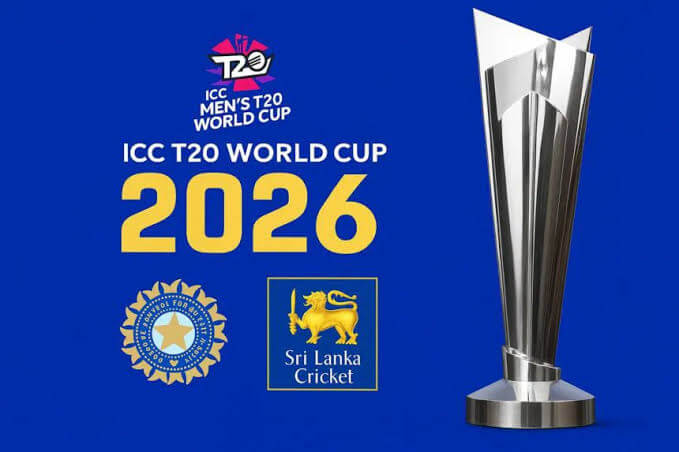
Sri Lanka is leaning into the global spotlight of the ICC Men’s T20 World Cup to power a fresh wave of tourism promotion, positioning the island’s cricket heritage alongside its beaches, hill country, and storied fort towns. As the 2024 tournament ran from 1–29 June across the United States and the Caribbean, Sri Lanka Tourism rolled out a coordinated push—digital campaigns, diaspora activations, and cricket-themed itineraries—aimed at converting match-day excitement into real itineraries. For a destination rebuilding momentum after recent headwinds, the marriage of bat-and-ball drama with travel storytelling is more than marketing: it’s an economic lifeline and a cultural calling card.
Background or Context
Cricket is woven into the fabric of Sri Lankan life—played on school fields at dusk, celebrated in living rooms on match nights, and revered in cities that have given the world indelible venues: the seaside Galle International Stadium, the highland hum of Pallekele in Kandy, and Colombo’s floodlit R. Premadasa. Tourism, too, has long been central to the nation’s economy, peaking before multiple shocks—first the 2019 Easter attacks, then the pandemic, and later the 2022 economic crisis—sent arrivals into a trough.
The rebound began in earnest in 2023, when Sri Lanka welcomed more than 1.4 million visitors and tourism earnings crossed the US$2 billion mark, according to official figures shared widely in industry updates. With a 2024 target publicly discussed at 2 million-plus arrivals, authorities sought high-yield channels to reintroduce the island’s “So Sri Lanka” brand to long-haul travelers and the extensive South Asian and diaspora fan base that rallies around major cricket events. The T20 World Cup’s condensed, high-visibility format presented exactly that opportunity.
Details of the Event or Update
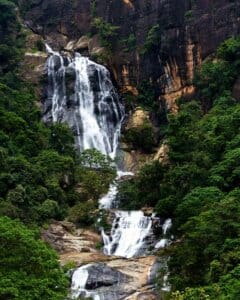
During the June 2024 tournament window, the Sri Lanka Tourism Promotion Bureau (SLTPB) coordinated a multi-pronged effort to place the island top-of-mind among match-goers and online spectators. The plan combined targeted digital advertising around live-streams and score apps; social media storytelling that paired iconic wickets with iconic views (think Galle Fort ramparts at sunset or tea fields patched like a quilt around Kandy); and partnerships with travel sellers crafting cricket-themed routes.
Overseas, pop-up promotions and diaspora community events in select host cities amplified the message with giveaways, destination seminars, and limited-time travel offers. At home, hotels and beach clubs organized World Cup watch nights—some on big screens on Galle Face Green in Colombo, others on quieter stretches in Bentota and Unawatuna—highlighting a distinctly Sri Lankan way to watch: seafood curries, king coconuts, and the collective cheer that erupts even when the wind changes.
The campaign’s travel angle emphasized “cricket trails” that stitch together stadiums and culture: Colombo for its museum exhibits and street food; Kandy for temple visits and a Test-match atmosphere even on non-match days; and Galle for its unique pitch-and-fort juxtaposition. Operators bundled these with wildlife stops in Yala or Udawalawe and slow-travel legs by rail—those postcard-window trains that tilt through eucalyptus groves and over tea-wrapped hills.
Impact on Travelers or Locals
For travelers, the practical upside is clarity and curation. Sports-led packages reduce planning friction, syncing city stays with stadium tours, coastal downtime, and inland excursions. Price-sensitive visitors also benefit from shoulder-season offers clustered around the southern and western coasts’ off-peak months, where room rates often dip while seas remain welcoming in pockets.
For local communities, the cricket-tied push means steadier demand beyond traditional winter peaks. Family-run guesthouses, tuk-tuk guides, surf schools, and craft vendors report that sports fans often travel in small groups and spend across experiences rather than only on rooms, spreading benefits inland. The knock-on effects—from filled trains between Colombo and Kandy to busier café strips in Galle—provide cash flow and confidence to small businesses still in recovery mode.
There are, however, notes of caution. Popular sites can feel crowded when watch parties coincide with weekends, and last-minute travelers may find limited availability in heritage zones like Galle Fort. Authorities have reiterated standard guidance: book licensed guides, use metered or app-based transport in cities, and rely on verified accommodation listings to avoid scams.
Reactions or Quotes
“Cricket gives us a cultural bridge,” a senior official involved in the campaign said during a recent briefing. “We’re meeting fans where they are—on their screens and in stadium cities—and inviting them to extend that passion into a journey across Sri Lanka.”
A guesthouse owner near Galle Fort put it more simply: “When there’s a big match, our courtyard turns into a living room. Guests from three countries argue about fielding positions, then the next morning they’re on bicycles exploring the lanes. It’s good energy—and good business.”
Meanwhile, a visiting fan from Melbourne, in Colombo for a cricket-themed vacation timed with the World Cup buzz, shared a familiar traveler’s arc: “I came for the cricket stories and stayed for the cinnamon and tea. The stadium tour was a highlight, but the train to Kandy and a home-cooked curry learned in a village class? That’s the memory.”
How to Attend or Participate
Key dates: The ICC Men’s T20 World Cup 2024 ran from 1–29 June across the USA and the Caribbean. Sri Lanka’s tourism activations were concentrated during this period, with many continuing into the island’s domestic cricket calendar and the Lanka Premier League (typically July–August each year). If you missed the tournament, cricket-themed travel remains available year-round via licensed operators.
Where to start: Visit the official Sri Lanka Tourism channels and certified tour operators to find cricket-and-culture itineraries. Look for routes that include Colombo’s stadium precincts, Kandy’s hill-country ambiance, and Galle’s fort-side ground—plus add-ons like whale watching in Mirissa (seasonal), safari drives, and tea estate walks.
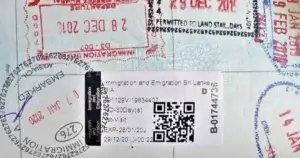
Visas and entry: Most nationalities require an Electronic Travel Authorization (ETA) before arrival. Apply online via the official Sri Lanka ETA portal; approvals commonly arrive within 24–72 hours. The main international gateway is Bandaranaike International Airport (CMB) near Colombo, with domestic transfers by road or rail to Kandy and the south coast.
On the ground: Pre-book stadium visits through recognized agencies or directly with venue administrators; access may vary on training or maintenance days. In cities, rely on metered taxis, ride-hailing apps, or licensed drivers. For scenic journeys, the Colombo–Kandy and Colombo–Galle rail lines are both practical and photogenic; reserve seats in advance during weekends and holidays.
Tickets and events: For any live matches or the Lanka Premier League, purchase tickets only via official channels announced by Sri Lanka Cricket and tournament organizers. Hotels and beach clubs often advertise public screenings during major tournaments—check event listings and confirm seating if you’re traveling in a group.
Conclusion
By aligning its destination story with the crescendo of the T20 World Cup, Sri Lanka has tapped a reservoir of goodwill and attention that cricket reliably delivers. The campaign is as much about sentiment as it is about sales: a reminder that this small island produces outsized cricketing moments and equally memorable journeys—train carriages filled with spice-scented air, dawn light on tea terraces, sea spray and fortress walls framing a boundary rope.
For travelers, the message is clear: let the thrill of the game be the spark, then let the island do the rest. With curated cricket trails, improved on-the-ground services, and a welcoming hospitality sector eager for sustained recovery, Sri Lanka’s tourism play around the T20 World Cup looks set to carry well beyond the final whistle—into festivals, domestic leagues, and the timeless rhythms that make the country a repeat favorite.
Continue Reading
- 🇱🇰 Sri Lanka Tourism Authority Rolls Out Safety Framework for International Visitors Amid Middle East Tensions
- Sri Lanka to Offer Visa-Free Entry for 40 Countries in 2026
-
Sri Lanka offers free visa extensions and flexible flight changes for stranded tourists
Rain gathered on the tarmac like a sheet of melted glass. The boards at Bandaranaike International flickered with delays that…