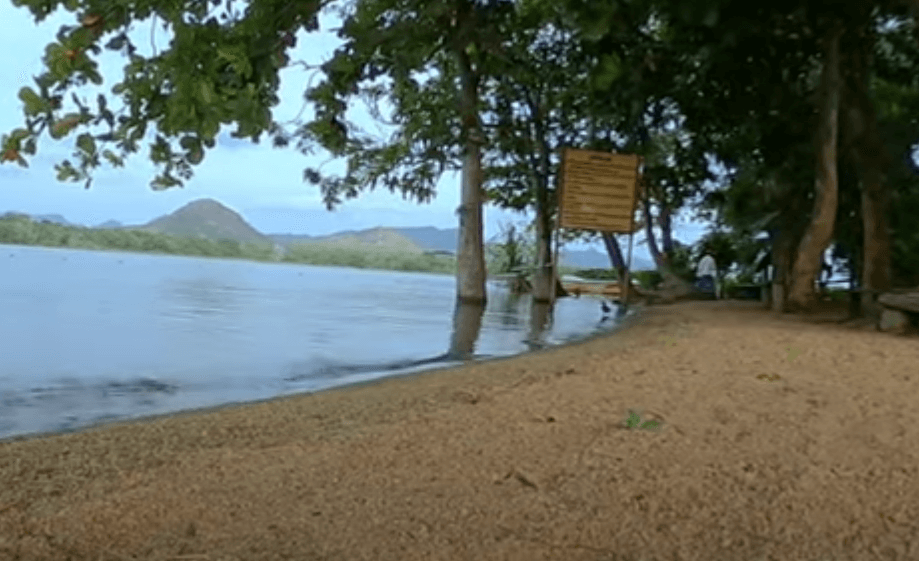
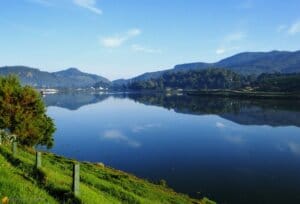
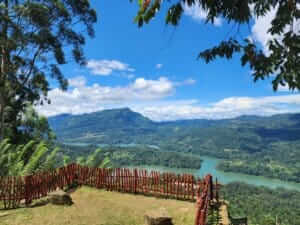
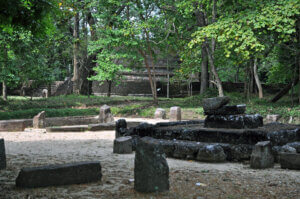
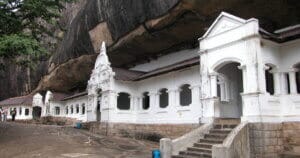
As the late sun folds itself over Dambulla, the lake turns the color of warm tea and a hush settles across the water. A little footbridge arches out from the shore toward a green dot in the ripples, and you hear laughter, the creak of bicycles, and the soft clink of bangles. This is Sathutu Dupatha—literally the “Island of Joy”—a pocket of calm where locals drift for a sunset stroll, where the breeze smells faintly of fried snacks and temple incense, and where the limestone bulk of Dambulla’s sacred rock glows to the east. Step onto the bridge and you feel it at once: this isn’t a must-see monument as much as a place where everyday Sri Lankan life plays out with easy charm.
Location & Overview
You’ll find Sathutu Dupatha in the heart of Dambulla, a few minutes’ tuk-tuk ride from the Golden Temple and Cave Temple complex that crowns the town. The island sits within the town’s lake, a traditional reservoir—or wewa—fringed by rain trees and fluttering prayer flags, with a paved promenade that locals use for evening walks. The bridge lands on a compact, landscaped islet ringed by low railings, benches, and shady trees where mynah birds argue cheerfully over crumbs.
Because the island sits between bustling streets and a view of ancient rock and jungle, it becomes a natural pause point. Office workers loosen their shoulders after long bus rides, schoolchildren in crisp uniforms compare snacks, and travelers exhale after temple visits, watching ripples fan across the water. The island feels safe, friendly, and unpretentious, with vendors and families sharing the same slow rhythm as the sun dips. For many visitors, Sathutu Dupatha Dambulla offers the softest, most human introduction to the town’s spirit.
Its significance also lies in its angle on the skyline. From the railings you can gaze across to the gilded Buddha at the Golden Temple, and further left the rugged silhouette of the cave-temple rock rises like a sleeping elephant. In a few minutes you can pivot from sacred to everyday, and that blend gives the island a quiet magnetism.
Historical or Cultural Significance
While Sathutu Dupatha itself is a modern community space, the lake that holds it belongs to a much older story. Dambulla sits within Sri Lanka’s dry zone, where ancient kingdoms carved a lacework of reservoirs that fed rice fields and villages through long parched months. These lakes still anchor daily life, creating habitats for birds, cooling neighborhoods, and offering a stage for casual rituals—morning jogs, evening gossip, and shared sunset silence. In that sense, the island channels centuries of tradition: water as a communal heartbeat.
The cultural current runs deeper on poya nights—the monthly full-moon holy day—when people in white drift toward nearby shrines, and low chants carry across the water like wind through reeds. You might hear the hollow thud of a temple drum or a bell’s clear note moving over the lake as lanterns blink on along the promenade. Moments like these remind you that Dambulla’s sacred core isn’t locked in museums or caves alone; it spills into public spaces where anyone can dwell for a while in simple, shared joy.
How to Get There
By Road from Colombo or Negombo
From Colombo, the drive takes about four to five hours depending on traffic. Most travelers follow the A1 toward Kurunegala, then swing onto the A6 northbound to Dambulla. The highway rolls past coconut estates, roadside pineapple stalls, and sleepy towns where you’ll spot clay-pot sellers and woven mats drying in the sun. Buses marked “Dambulla” or “Habarana” rumble along this route with fearless energy, and they offer the cheapest ride if you travel light and enjoy a slice of local life.
From Kandy and the Hill Country
Kandy sits around two and a half hours south by road on the A9. The journey unwinds from misty hills to sun-bleached lowlands, and you’ll feel the temperature notch upward as paddy fields widen and palmyra palms take over the skyline. Public buses shuttle frequently between Kandy and Dambulla; they’re direct, lively, and excellent for people-watching. If you prefer a gentler pace, hire a car or a tuk-tuk from a Kandy driver who knows the route and will happily stop at fruit stalls or scenic bends.
By Train and Taxi
Dambulla doesn’t have a train station, but Habarana lies about 30 minutes away by road, and Matale roughly an hour to the south. You can ride the train to either town and continue by taxi or bus. Many travelers enjoy the train’s open windows and village views, then switch to a tuk-tuk for the last leg, letting warm air and the smell of woodsmoke announce your arrival in the dry zone.
Arriving at the Island
Once in Dambulla, ask for Sathutu Dupatha at the town lake; most tuk-tuk drivers know it as the “island park.” The bridge sits just off the lakeside promenade, near small snack stalls where vendors fry isso vade and shave mango into tangy achcharu. There’s usually space to park a scooter or car along the road; tuk-tuks can drop you steps from the bridge. As you start across, the boards give a friendly creak, and a better breeze meets you halfway with a hint of lotus and mud and distant incense.
What to See and Do
Cross the Bridge and Circle the Ring Path
Begin with an easy circuit of the island’s path. It takes only a few minutes, but you’ll likely stop often to watch a cormorant arrow into the water or to admire the statuesque curve of the Dambulla rock in warm light. Benches face all directions, so sit where the breeze feels kindest, and let the town wash past without hurry.
Birdwatch Along the Reeds
Bring a light pair of binoculars if you enjoy birds. Egrets stitch white commas across the shallows, kingfishers flash electric blue from low branches, and purple swamphens tiptoe like jeweled hikers among the reeds. In the dry season, you might spot herons nesting farther along the lake. The island gives a respectful distance from nesting spots while keeping the action in view, which suits both the birds and your camera.
Golden-Hour Photography
Photographers favor the hour before sunset when the lake turns reflective and the Golden Temple’s giant Buddha catches soft light. Frame the bridge railings for leading lines, or use a low angle near the water to mirror the sky. Cloudy afternoons can be even more rewarding: the muted tones make sari colors pop and pull your focus to faces, gestures, and shared moments along the promenade.
Snack Like a Local
After your stroll, wander to the lakeside stalls. Try a hot isso vade—crisp lentil fritters pressed with prawns and curry leaves—or grilled corn brushed with coconut oil and salt. Mango achcharu arrives glossy with lime and chili, and a paper cup of sweet faluda cools your tongue when the day still holds its heat. Vendors greet everyone with the same warmth, so step forward, smile, and ask for “tikak amaru” if you prefer your spice mild.
Quiet Moments and People-Watching
Evenings here belong to families and friends. A parent gently rocks a pram under a rain tree; a group of teens choreographs TikTok dances by the railing; elders trade cricket scores on a bench with a view. Travelers fit easily into this flow. Put your phone away for a few minutes and notice the textures: sun-baked paint on the bridge, the faint squeak of a bicycle’s chain, the metallic tang of lake air at dusk. The island invites presence rather than spectacle.
Night Ambience
After dark, modest lamps light the path, and the town’s glow floats over the water. You might hear a temple chant or the call of a nightjar from the far bank. The island remains mellow, with couples and small groups lingering. If you travel solo, you’ll still feel welcome; a small smile draws an easy hello, and you can sit undisturbed with your thoughts and the lick of breeze on your cheeks.
Best Time to Visit
Early mornings bless you with soft light, cooler air, and a firmer chance of birds feeding near the reeds. The town yawns awake with gentle noise—broom bristles on concrete, a kettle whistling somewhere, a bus horn far away—and the island gives you front-row seats. Late afternoons and sunset carry the most atmosphere, though, as families gather, colors warm, and the rock temples turn rose-gold.
Seasonally, Dambulla’s dry zone often feels hottest from March to August, with searing midday sun that pushes most people toward shade. From October to January, the northeast monsoon brings cloudbursts that come and go, turning leaves glossy and the lake lively. Even on rainy days, openings appear around dusk; you can catch dramatic skies and mirror-flat reflections minutes after a shower sweeps past.
Practical Information
Entry and hours: Sathutu Dupatha functions as a public space. There’s typically no formal ticket, though on some weekends a caretaker may request a small maintenance fee. The island stays open from early morning until late evening, and sunset draws the biggest crowd. Arrive just before the golden hour if you want a bench with your preferred view.
Facilities: You’ll find simple benches and bins on the island, with public washrooms usually available along the promenade rather than on the islet itself. Bring tissues and hand sanitizer, and carry a reusable water bottle to cut down on plastic. Shade is decent, though a cap and sunscreen keep the dry-zone sun kind.
Weather and clothing: Light, breathable fabrics work best. A thin scarf or shawl helps when the sun bites or a brief drizzle visits. Dambulla’s evenings remain warm, so sandals or trainers suit the paths. The bridge and ring path are generally flat; a few short steps may appear at the bridge entry, so visitors using wheels can check conditions at the nearest access point or ask a helpful local. People are quick to lend a hand when needed.
Local etiquette: Keep voices gentle, especially during temple prayer times when chants carry across the water. Dress modestly if you plan to visit the Golden Temple before or after; shoulders and knees covered show respect in sacred areas. On the island itself, casual wear is fine. Avoid littering or feeding wildlife, and enjoy snacks near the promenade so crumbs don’t attract monkeys or stray animals to the islet.
Nearby Attractions
- Dambulla Cave Temple (Rangiri): A UNESCO-listed complex of painted caves and serene Buddhas, perched on a giant rock with sweeping views.
- Golden Temple of Dambulla: The gleaming seated Buddha and colorful museum at the base of the cave-temple hill.
- Ibbankatuwa Megalithic Tombs: An evocative, lesser-visited archaeological site that whispers of prehistoric Sri Lanka.
- Popham’s Arboretum: A shady oasis for night walks and slow birding under towering trees, minutes from town.
- Kandalama Lake: Larger and wilder than the town lake, with dreamy sunrise reflections and birdlife along quiet banks.
- Sigiriya Rock Fortress: The legendary lion rock rises about 30 minutes away, with frescoes, gardens, and a view you won’t forget.
- Minneriya National Park: Famous for the seasonal elephant gatherings, best visited with an ethical safari guide.
- Jathika Namal Uyana: A forest of ironwood trees sheltering a rose-quartz mountain, tucked within a peaceful reserve.
Travel Tips
Carry small change for snacks, a coconut, or that occasional island maintenance fee. Vendors appreciate notes under 500 rupees, and it speeds your snack adventures along the promenade. If you love photographs, arrive twice—once at sunrise for still water and again at sunset for color.
Couple your island visit with the Cave Temple in the cooler morning, then rest midday. Return to Sathutu Dupatha for an evening stroll when the town blooms with conversation. If you travel with kids or elders, plan short breaks on shaded benches. The path suits gentle movement, and the breeze helps everyone keep their cool.
Stay mindful of the sun. Even a brief loop can leave your neck pink in the dry season. Refill your bottle at your guesthouse before you come, and skip plastic straws at juice stalls by asking for “no straw, please.” Keep your valuables discreet; Dambulla feels friendly, yet travel sense always helps.
For those using mobility aids or strollers, check the bridge entrance for temporary obstacles after heavy rain. Locals happily point out the smoothest approach, and tuk-tuks can stop very close to the path. If you plan an extended sit-and-sketch session, bring a lightweight pad; the railings make surprisingly comfortable backrests when the wind softens.
Conclusion
Some places impress with size; others leave a thinner, more lasting line on your memory. Sathutu Dupatha Dambulla belongs to the second kind. It doesn’t demand; it invites. You come for a few minutes and stay an hour, watching warm light slide across water while conversations rise and fall around you in lilting Sinhala and gentle laughter. The island sits between past and present—temple rock on one side, town life on the other—and reminds you that travel’s brightest moments often happen in ordinary spaces where people feel at home.
When you step back onto the bridge and head toward the promenade, you carry a little of the island’s calm with you. Maybe you pick up a paper cone of spicy mango on the way, or pause to greet a vendor who remembers your order from yesterday. Either way, Sathutu Dupatha gives you what its name promises—a small island of joy—set in the heart of Dambulla, ready to welcome anyone who chooses to slow down and look.