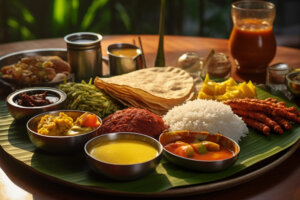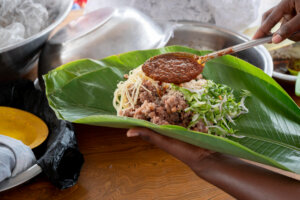
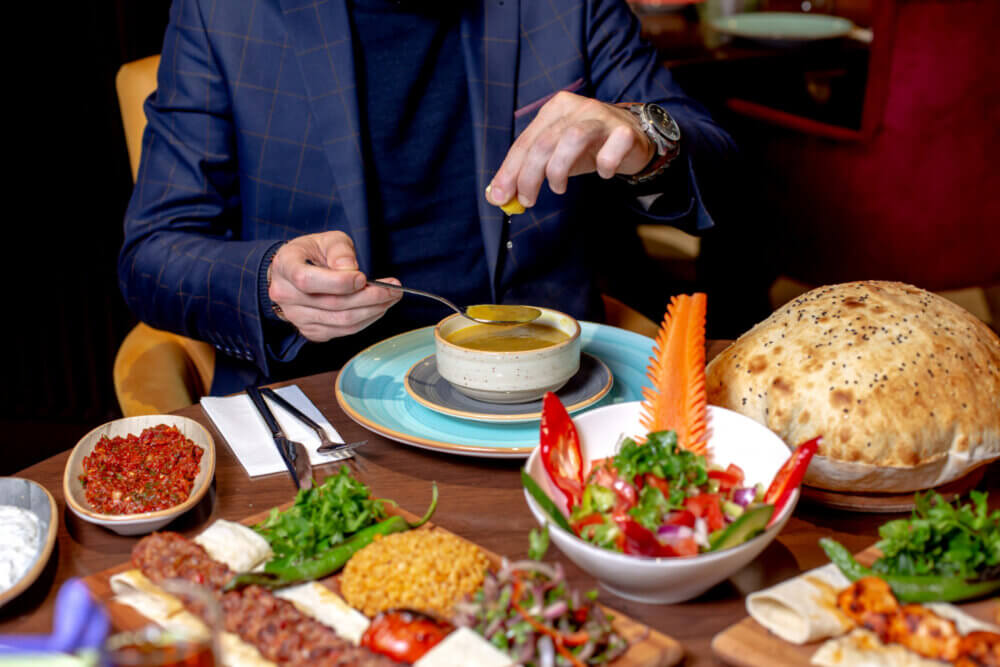
Evenings in Colombo carry a soft salt wind from the ocean, the kind that curls into alleys scented with cinnamon smoke and pan-roasted curry leaves. I grew up following those aromas through markets and family kitchens, and today I find the same spirit at the city’s elegant tables. Colombo fine dining feels intimate and vibrant, like a conversation between memory and imagination. Chefs lift familiar flavors into a new light, yet they keep the soul of the island intact. You taste the reefs and lagoons, the plantations and backyards, and the stories of people who shaped a cuisine built on generosity, spice, and ceremony. This guide opens those doors for you, dish by dish, and moment by moment.
From Past to Plate
Long before white tablecloths reached the city, Colombo’s food drew strength from the sea and the spice routes. Traders carried cloves, cardamom, and stories to these shores, and families folded those treasures into recipes that survived wars, weddings, and monsoons. The Portuguese brought chillies, the Dutch left their love for baked treats and lamprais, and the British cultivated tea that still perfumes our afternoons. Our Malay community taught us pickling as celebration, and Tamil kitchens preserved the art of blackened fish with sour goraka. Today’s fine dining rooms remember those voices. You will see clay pot curries plated like art, hoppers filled with lagoon crab, and rice once grown for kings served with quiet grace. Every elegant plate nods to a home kitchen where someone still grinds spices on a stone and tastes until the balance feels just right.
Ingredients or Key Elements — essential components
Colombo’s best restaurants shape their menus with an island’s resources and rituals. You will spot these elements across signature dishes and curated tasting menus.
- Spices with personality: true Ceylon cinnamon, black pepper with citrus notes, clove warmth, and cardamom perfume.
- The coconut family: fresh milk for curries, toasted shavings for crunch, and oil that carries spice without heaviness.
- Heritage grains: fragrant samba rice and deep-hued kaluheenati, each cooked to hold sauce and memory.
- Sea and lagoon bounty: mud crabs, prawns with sweet snap, seer fish for firmness, and tuna bright from Negombo boats.
- Sour saviors: goraka’s inky tang, tamarind’s soft acidity, and lime squeezed moments before serving.
- Leaf and root: gotukola for grassy bite, jackfruit young and meaty, beetroot sweet and earthy, and karapincha’s crackle.
- Clay and smoke: earthen pots that thicken gravies, and coconut shell charcoal that kisses seafood gently.
- Island pours: double-distilled arrack with coconut blossom notes, and tea that pairs as elegantly as wine.
Preparation or Practice — vivid step-by-step feel
The rhythm begins before dawn, when a cook checks the crab claws for heft and sweetness. Spices get roasted until they sing; cinnamon smells warm like toasted sugar, while curry leaves crisp with a soft crackle. We grind chillies and mustard on the mirisgala stone with a splash of lime that wakes the room. A clay pot waits on a gentle flame, ready for a black pork curry that needs patience and trust. First the tempering: mustard pops, onions turn glassy, garlic scents the air, and pandan joins like a fresh green ribbon. Pork enters with a hiss, then dark goraka steps in and the sauce deepens to a dusky shine. We skim, taste, and adjust, letting time knit flavors into a mellow heat that tingles rather than shouts.
On another stove, hopper batter rests like a living thing. A ladle drops into a hot pan, and quick wrists swirl a lace of rice flour up the sides. The center stays tender and custardy. A spoon of seeni sambol brings sweet onion jam, and a dot of lunu miris answers with chilli fire. For fine dining, chefs add lagoon crab in coconut cream or a quail egg with pink pepper and ghee. You cut the edge with your fingers and scoop the center, and the crunch meets silk in a way that resets your idea of balance.
Plating happens in quiet concentration. A chef places three coins of beetroot mallum beside a ribbon of coconut ash, then nestles pork under a cinnamon curl that releases warmth. Servers move like gentle currents, explaining the pepper’s origin or the fisherman who landed the crabs at sunrise. You feel cared for. You also feel our island’s pulse in each small detail.
Symbolism or Local Meaning
Food speaks for us when words fail. We serve milk rice at dawn to bless new beginnings, and we pass a bowl of tempered dhal like a promise to share. In Colombo fine dining, the elegance remains grounded in those gestures. Crab tells the story of water giving life and challenge, while pepper reminds us that this tiny island shaped empires. Black pork curry travels through history like a drumbeat, joining Catholic feasts, Tamil celebrations, and Sinhala family tables. We honor many paths here. Chefs craft vegetarian menus with respect for faith, create halal and seafood options with care, and design low-spice versions without losing soul. The table becomes a meeting place where difference tastes like abundance, not division.
Where to Experience It — restaurants and signature dishes
Colombo’s fine dining rooms span colonial courtyards and sleek towers. Each one reflects a different face of the city, yet they share an obsession with sourcing, technique, and heartfelt service.
- Ministry of Crab, Fort: The Dutch Hospital’s arches echo with laughter and shell-cracking. Go for the iconic Pepper Crab, where cracked pepper blooms into citrus and smoke over sweet mud crab. The Garlic Chilli Crab brings a glossy heat that lingers pleasantly, and the bibs signal permission to eat with joyous abandon.
- Nihonbashi, Cinnamon Gardens: Quiet wood and stone frame seafood treated with reverence. Choose an omakase that follows the tides, with seer fish sashimi and tuna that tastes of clean ocean mornings. A light soy and yuzu lift local catch without masking its character, and each slice lands with precision and calm.
- Kaema Sutra, Galle Face: Contemporary Sri Lankan in a coastal breeze. Order the Hopper Trilogy, with one cradling crab in coconut cream, another holding a runny egg and lunu miris, and a third topped with tempered mushrooms and jaggery glaze. The Strawberry Achcharu cocktail bridges sweet, sour, and chilli like a street-side memory in a crystal glass.
- Shang Palace, Colombo 2: Cantonese mastery with island accents. The Peking Duck arrives carved tableside with quiet ceremony. Pancakes receive lacquered skin and cinnamon-scented cucumber, and the second course often becomes a comforting soup that whispers of both Beijing winters and Colombo nights.
- The Grill at The Kingsbury, Fort: A room for steak lovers and seafood purists alike. Try a dry-aged cut brushed with kithul butter, or select a whole reef fish grilled over coconut shell charcoal. The sides lean local: gotukola salad with lime and coconut, and young jackfruit fries that crunch and sigh.
- RARE at Residence by Uga, Park Street: A townhouse escape with soft lamps and attentive service. Seek the kithul-glazed pork belly with beetroot textures, or a vegetarian tasting that highlights jackfruit, tempered greens, and heritage rice. Plates look modern, yet every bite feels rooted.
- The 1864, Galle Face Hotel: High ceilings, quiet waves, and a menu that respects the classics. A grilled lobster brushed with chilli-lime-kithul butter arrives tender and bright, while a chilled crab salad tastes of lime zest, coconut cream whispers, and sea breeze.
Tips for Travelers — etiquette and do’s & don’ts
- Book ahead, especially for Ministry of Crab and weekend seatings, since prime seafood sells out with honest speed.
- Dress smart casual, and carry a light layer, as air conditioning can feel bracing after the coastal heat.
- Ask about spice levels; chefs happily adjust heat while keeping the dish’s structure intact.
- Use your right hand if you choose to eat with fingers, and accept the finger bowls and warm towels as part of the ritual.
- Mention dietary preferences early; Colombo kitchens offer thoughtful vegetarian, vegan, and halal-friendly options.
- Explore pairings beyond wine; a premium arrack, a local craft gin, or high-grown Ceylon tea can elevate spice notes beautifully.
- Support sustainability by choosing seasonal seafood and asking about lagoon versus imported catch.
- Service charge usually appears on the bill; a small additional tip for excellent service brings genuine smiles.
- Plan for traffic with grace. Leave early, and arrive hungry and unhurried to savour each course fully.
Conclusion
When I walk home after a long meal in Colombo, the city hums like a satisfied table. The ocean keeps speaking in soft shushes, and cinnamon lingers on my sleeves. Fine dining here does not stand apart from daily life. It simply gathers our best ingredients, our patient methods, and our generous spirit, then offers them with poise and warmth. You taste the grit of fishermen, the care of farmers, and the hands that temper spices until the room smells like celebration. Come ready to listen with your palate. The dishes hold our history, our humor, our storms, and our sunshine. Leave a little room for dessert, and a little more for gratitude. Colombo will feed you well, and it will feed you true.
Continue Reading
-
Port City & Colombo Food Evolution
I grew up where the wind smells of salt and cardamom, between the stubborn waves of the Indian Ocean and…
-
Jaffna Festivals & Food: Yal Panam Traditions
In Jaffna, which elders still call Yal Panam, the seasons taste of smoke, salt, and song. The mornings wake to…
-
Sri Lankan Vegetarian Dishes: Best Local Options
I grew up waking to the clack of a coconut scraper and the perfume of curry leaves leaping into hot…