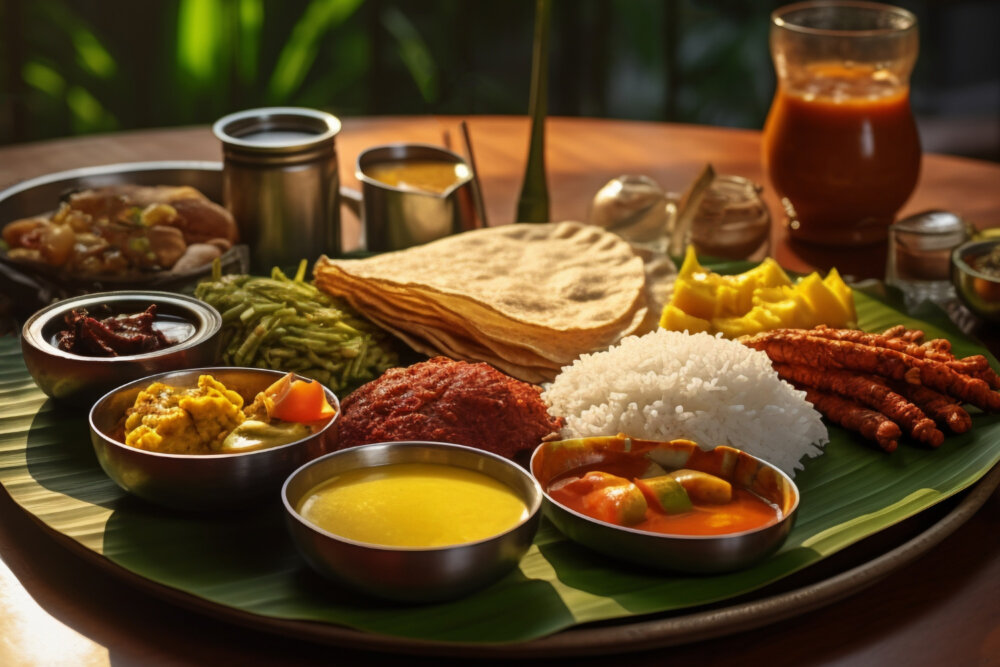
In Jaffna, food is never just food. It is memory, season, sea wind, and temple bell, all simmering in one clay pot. When you taste Jaffna cuisine, you taste our stubborn love for heat and depth, our devotion to homegrown spices, and the unmistakable embrace of the palmyrah tree. I grew up counting time by the crackle of mustard seeds on my grandmother’s stove and the early morning calls at the fish market in Gurunagar. Those sounds and aromas still guide my steps, and they guide this Jaffna cuisine guide to signature dishes and flavors that carry us from past to plate.
From Past to Plate
The story of Jaffna cuisine begins with the palmyrah, our northern sentinel. It survives wind, drought, and hardship, just as families here have done. Its root becomes odiyal flour, its sap turns to jaggery and vinegar, and its leaves shade our kitchen yards. From that same yard, someone plucks curry leaves and green chilies while another rinses crabs fresh from the lagoon. Jaffna tables hold a history shaped by spice routes, temple fasting traditions, and the daily conversation between land and sea.
Roadside thosai griddles sizzle like small stages, and you hear the clink of steel tumblers of tea all day. Fisherfolk bring in prawns that gleam like copper in the sun. Coconut vendors pare fruits with swift, patient hands. During the Nallur festival, families trade recipes and stories with pilgrims, and a fervent rhythm settles over the city. Our flavors mingle with devotion and celebration, creating dishes that speak of belonging and open doors to anyone who sits down to share.
Ingredients or Key Elements — essential components or cultural building blocks
Jaffna cuisine stands on a few sure pillars. Spice leads, but it does not shout without purpose. Each ingredient pulls its weight with honesty and soul.
- Palmyrah and odiyal: The root yields odiyal flour for hearty stews like odiyal kool, while jaggery sweetens sweets with a smoky edge.
- Sea’s bounty: Lagoon crabs, small prawns, cuttlefish, and seasonal reef fish arrive fresh at dawn, perfect for fry ups and thick gravies.
- Curry craft: Homemade Jaffna curry powder brings roasted chili, coriander, cumin, fennel, pepper, and turmeric together in a bold, brick-red mix.
- Tang and body: Tamarind, palmyrah vinegar, and coconut milk balance heat with sourness and silk, giving sauces their signature curve.
- Green and wild: Moringa leaves, long beans, jak fruit seeds, and banana blossom add nuance and a taste of the garden’s generosity.
- Rice and staples: Red rice, string hoppers, and pittu build the meal’s backbone, inviting gravies to soak and mingle.
- Fragrance: Curry leaves, pandan, garlic, and shallots turn simple pots into aromatic stories you can smell from the lane.
Together, these elements shape Jaffna crab curry, mutton poriyal, poricha meen (fried fish), and our everyday sambols and pickles that snap with heat and lime.
Preparation or Practice — vivid step-by-step feel, sensory process
I learned the dance of our kitchen by watching elders move with unhurried focus. First, they roast spices for Jaffna curry powder until the air reddens with chili and fennel sweetness. The ammikkal, our grinding stone, hums as the seeds meet stone and release their oil.
For Jaffna crab curry, we clean lagoon crabs while a pot warms with coconut oil. Mustard seeds pop like rain on a tin roof. Curry leaves and chopped shallots join, then garlic and fresh chili follow. The roasted curry powder goes in with turmeric and pepper. Tamarind gives a sour sigh, coconut milk follows, and the crabs sink into the broth. We let them talk to the fire for just long enough. The shells blush deep, and the gravy thickens to a glossy red with a fragrance that draws neighbors to our doorstep.
Odiyal kool requires patience. We simmer a stock of small fish, prawns, and cuttlefish with long beans, jak seeds, and leafy greens. Odiyal flour mixes with water to a smooth paste that slips into the pot. We stir steadily with a long ladle so it does not catch. The stew thickens to a nourishing velvet with a faint palmyrah earthiness. A splash of palmyrah vinegar brightens the pot, and the final tempering of cumin and curry leaves seals the promise of comfort.
At dawn, a steel griddle heats for thosai, which many call Jaffna dosa. Fermented batter meets ghee with a fierce hiss, thin as a drum skin and crisp at the edges. It flips once, then lands on a plate beside coconut and tomato chutneys and a mild sambar. Mutton poriyal sears next, goat meat tumbling with onions, black pepper, and curry leaves until the kitchen smells like spice carried by woodsmoke.
We steam pittu in bamboo molds so the grains stay light. When you press on a cylinder of pittu and pour crab gravy over it, steam rises like a blessing. The meal speaks in textures: crisp thosai, soft pittu, generous sauces, and the gentle cool of curd and kithul treacle at the end.
Symbolism or Local Meaning — cultural, emotional, or spiritual significance
Our food tells stories of resilience. The palmyrah, standing tall even in lean years, became a symbol that lives in odiyal kool, vinegar, and sweets. Families turned to it when little else was certain, and that pride still sits at our tables.
Jaffna cuisine also carries devotion. Temple days often bring vegetarian meals, and humble plates of thosai, sambar, and tempered greens feel sacred in their simplicity. During the Nallur Kandaswamy festival, hospitality stretches far beyond doorways, and strangers become friends over shared rice and curry.
For many of us, dishes like Jaffna crab curry taste like reunions. You feel the tug of home when shells crack and gravy stains your fingers. Food binds people across beliefs and generations, welcomes visitors, and gives a place to those returning after long journeys. Every bowl says, you belong at this table.
Where to Experience It — restaurants, villages, festivals, local venues
Begin at the Jaffna Central Market where produce stacks glow in shades of green and red. Vendors speak with pride about their chilies, palmyrah products, and earthy yams. Morning is best at the Gurunagar fish market. Boats arrive with small prawns, crab, and reef fish, and conversation flows as fast as the bargaining.
For a classic vegetarian spread, step into Malayan Café near the Clock Tower. Their thosai, sambar, and chutneys taste like home on a weekday night. Mangos near Nallur serves crisp Jaffna dosa and idiyappam with gentle curries that still carry the region’s heart. If you want a homestyle crab curry or mutton poriyal, try Cosy Restaurant on KKS Road or Green Grass in town, where portions encourage sharing.
When the afternoon sun lowers, Rio Ice Cream on Hospital Road calls with chatter and bright cups. Order a palmyrah jaggery sundae or a scoop after a fiery lunch, because sweet relief pairs well with heat. In Karainagar, near Casuarina Beach, small cafés fry fish caught an hour before. The salt air adds its own seasoning, and the waves provide the soundtrack.
Plan a visit during the Nallur festival to feel the full embrace of Jaffna hospitality. Streets shine with lamps, and kitchens open early. Even simple meals feel ceremonial, and the scent of incense mingles with cumin and curry leaves. In nearby villages like Manipay and Chankanai, people sell homemade pickles, odiyal flour, and palmyrah sweets from family stalls. Each purchase comes with a story.
Tips for Travelers — etiquette, authenticity tips, do’s & don’ts
- Eat with your right hand if you feel comfortable. Wash at the basin, and accept seconds graciously when offered.
- Ask for spice levels honestly. Jaffna heat runs high, and cooks will adjust with care if you request it.
- Try signature dishes: Jaffna crab curry, odiyal kool, mutton poriyal, and poricha meen. Pair them with pittu or red rice.
- Visit morning markets for the freshest seafood and produce. Bargain kindly, and smile while you do it.
- Dress modestly near temples and during festivals. Respect fasting days and shared spaces with mindful conversation.
- Support local cooperatives selling palmyrah products. Your purchase helps keep traditional skills alive.
- Include everyone at the table. Many places offer vegetarian, vegan, and halal options, so ask and choose with confidence.
- Seek stories, not just menus. Cooks and vendors love to explain the origin of a spice mix or a pickle.
- Carry cash for small eateries and market stalls. Receipts help with larger restaurants and hotels.
- Avoid food waste. Order to share, and savor slowly. Jaffna cuisine rewards patience.
Conclusion — reflective, sensory, and emotionally resonant
When I think of Jaffna cuisine, I see a pot darkening with roasted spice and hear the jubilant chorus of mustard seeds at the first touch of oil. I smell sea spray on crabs carried in woven baskets and the sweet warmth of jaggery melting into dessert. In every dish, I meet a person who grew, caught, chopped, stirred, or served with care and pride.
Our flavors invite you into a living tradition that honors the land, the sea, and the many hands that shape a meal. Sit down, mix rice with a bright red gravy, and taste the journey from past to plate. Let the heat rise gently, and let the sweetness at the end remind you that resilience has a tender heart. When you leave, carry the stories. They will bring you back, long after the last spoonful of kool and the final crunch of fried fish have faded into memory.
Continue Reading
-
Port City & Colombo Food Evolution
I grew up where the wind smells of salt and cardamom, between the stubborn waves of the Indian Ocean and…
-
Jaffna Festivals & Food: Yal Panam Traditions
In Jaffna, which elders still call Yal Panam, the seasons taste of smoke, salt, and song. The mornings wake to…
-
Colombo Fine Dining Guide : Restaurants & Signature Dishes
Evenings in Colombo carry a soft salt wind from the ocean, the kind that curls into alleys scented with cinnamon…