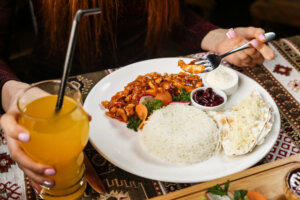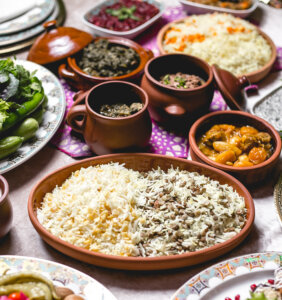
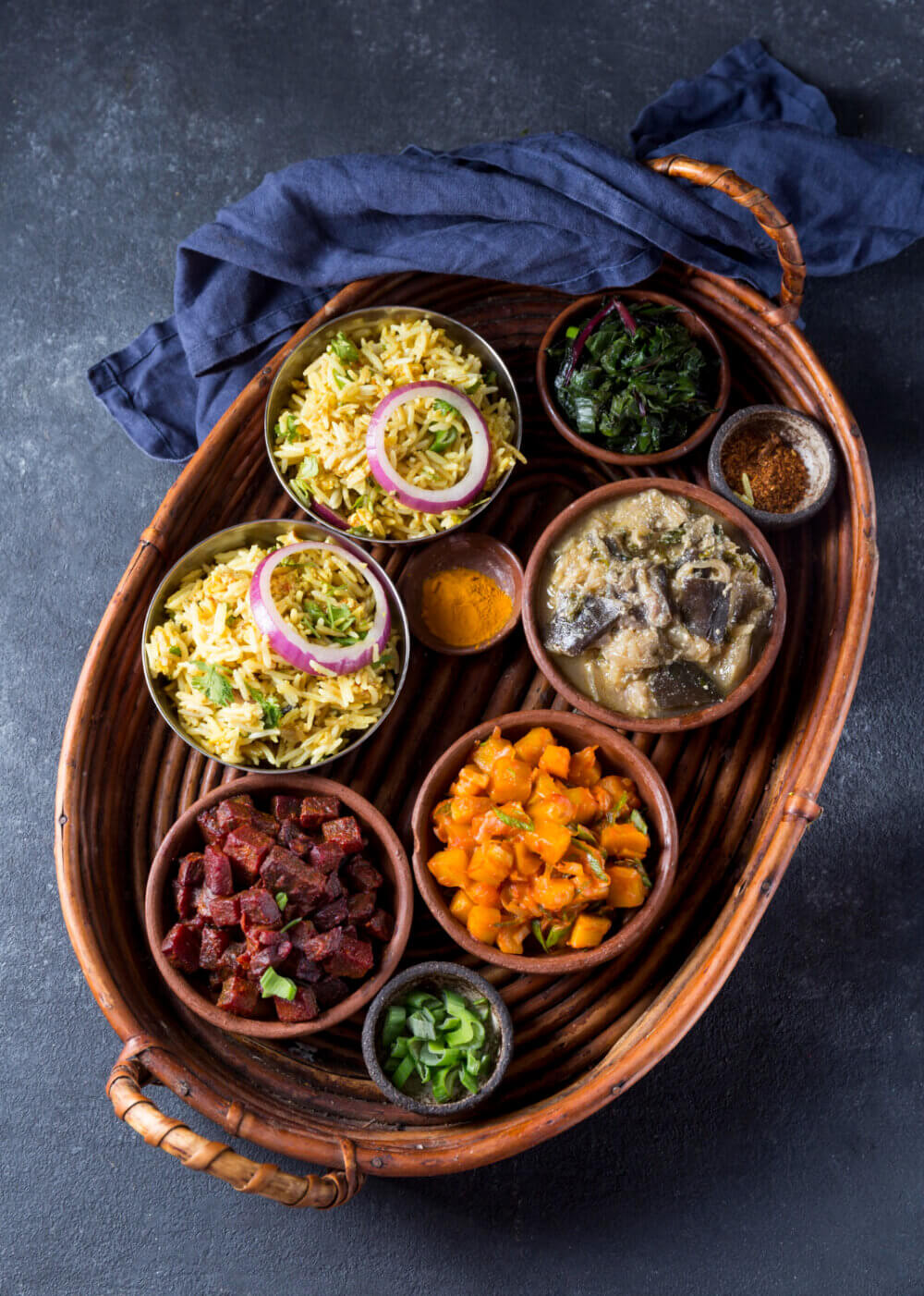
In Jaffna, which elders still call Yal Panam, the seasons taste of smoke, salt, and song. The mornings wake to temple bells and the sweet hiss of coconut oil kissing hot iron, while evenings carry the steady heartbeat of the thavil drum down coral-stone lanes. Jaffna festivals and food do not sit apart; they rise together like steam from a clay pot, carrying stories that have kept our community warm through centuries of change. When I stir a pot of kool or tie a string of jasmine before a festival procession, I feel the pulse of my grandparents’ hands in my own, and I hear the island whisper, “Remember.”
The Story of Jaffna Festivals & Food: Yal Panam Traditions
Our traditions grew where palmyrah palms stand tall against the wind and where the sea keeps its daily promise at dawn. Traders, poets, and pilgrims brought flavors and rituals that took root in our red earth. Chilli came riding new tides, and we welcomed it with cumin, pepper, and roasted spices until the mix tasted distinctly Jaffna. Temples rose and fell, but devotion continued as people carried vows on their shoulders and songs on their tongues. Over time, the incense from the kovil mingled with the scent of crab simmering in clay, and our children learned that sacredness can live in both the altar and the kitchen.
At Nallur Kandaswamy Kovil, the year turns on the rhythm of its festivals, and the city moves with it. Processions sweep down streets draped in mango-leaf festoons, and the air tastes of camphor, jasmine, and sweat. After a vow is fulfilled, families share a humble feast, sometimes on banana leaves spread on the floor, and every mouthful holds relief, gratitude, and laughter. That is how Yal Panam traditions keep their shape: through hands that cook, feet that walk in procession, and voices that welcome neighbors to the table.
Ingredients or Key Elements
When people ask about the essential building blocks of Jaffna festivals and food, I think of both kitchen and courtyard. One feeds the body. The other feeds belonging.
- Palmyrah: root, leaf, fiber, and sap—used for jaggery, sweet toddy by tradition, crafts, and fences. It embodies endurance.
- Jaffna curry powder: a roasted blend of chilli, cumin, fennel, pepper, coriander, and a whisper of clove and cinnamon, ground bold and bright.
- Sea’s bounty: crab with fierce claws, prawns, cuttlefish, and small reef fish dried into karuvadu for monsoon months.
- Rice and grains: parboiled rice, red raw rice, and the soft nests of idiyappam for festival mornings.
- Tamarind and coconut: tang and cream holding the spice together like two old friends.
- Banana leaf, clay pot, and stone grinder: humble tools that shape flavor and memory.
- Nadaswaram and thavil: music that opens the path for gods and people alike.
- Kolam powder and jasmine: white lines and white flowers, drawn and strung to invite blessing and beauty.
- Thoranam and camphor flame: green mango leaves for auspiciousness, and a steady flame to carry prayer upward.
Preparation or Practice
Before a festival day, we wake while the sky still wears stars. The courtyard gets swept clean, and kolam blooms from a pinch of rice flour between fingers. Spirals, lotuses, and delicate borders guard the doorstep, not to keep anyone out, but to guide good fortune in. In the kitchen, a clay pot waits like a patient elder.
For kool, which my mother calls the sea’s memory, we start by washing small crabs and shellfish, then set them to simmer with drumstick pods, long beans, and pumpkin. Tamarind baths the broth in a soft sourness. Odiyal flour, ground from palmyrah root, thickens it slowly while I stir in wide circles. The steam climbs with the scent of roasted spice and ocean salt. When the spoon stands tall in the center, the kool is ready to gather us all around one bowl. We pass it hand to hand, slurping with a laughter that makes even the shyest cousin feel seen.
Crab curry asks for boldness. I heat oil until mustard seeds pop like tiny fireworks, then I send in curry leaves, garlic, and dried chillies. The roasted Jaffna curry powder turns the air red-gold. Crabs tumble in, shells catching the light. Tamarind and coconut milk weave through, and the gravy thickens to a deep, gleaming rust. When it’s done, we crack shells with our fingers, and the sweet meat slides free, tasting of the lagoon’s sunlit floor.
Meanwhile, at the kovil, people tie their vows into bright kavadi, bells stitched to wood and peacock feathers. The nadaswaram swells, the thavil answers, and the crowd moves as one tide. Flowers brush foreheads; sandal paste cools the skin. When the chariot rolls, wheels groan, conch shells sound, and you feel every ancestor step beside you. When the procession ends, we return home to plates waiting like open arms.
Symbolism or Local Meaning
Palmyrah stands in our stories like a stubborn elder, surviving drought, storm, and time. It teaches us that sweetness can rise from hard ground. That is why palmyrah jaggery tastes better when shared after a fast or a vow fulfilled.
Kool is more than a dish; it is a lesson in togetherness. We gather around one vessel, each taking turns, each leaving enough for the next hand. It feeds the shy, the elder, the guest, and the child equally. In that circle, you feel the soft power of a community that remembers to care.
At Thai Pongal, the first rice boils in a clay pot that spills milk like joy. We face the sun and thank it for bending the grain. At Nallur’s festival, vows carry not only pain or prayer, but also relief, forgiveness, and a promise to keep walking. Even the crab curry leaves a message on the tongue: the sea gives, so we must give back—respect, gratitude, and care for the waters that feed us.
Where to Experience It
Festivals and Ritual Spaces
- Nallur Kandaswamy Kovil: August and September bring the grand festival with processions, kavadi, chariots, and music that vibrates in your ribs. Arrive early to feel the temple breathe awake.
- Thai Pongal in Courtyards: In January, families cook pongal at dawn, often in front of homes. Communities welcome onlookers kindly; stand aside, watch, and offer a smile.
- Navaratri and Kolu Displays: In late September or October, homes and temples arrange steps of dolls, lamps, and stories. You’ll hear children practice songs as lamps wink like stars indoors.
Markets, Villages, and Tables
- Jaffna Municipal Market and Chunnakam: Spices ground the Jaffna way, palmyrah sweets, dried fish, and piles of mangoes that perfume the air.
- Point Pedro and Karainagar: Early morning brings the best catch; watch the bargaining ballet and taste fresh vadai by the jetty.
- Local Eateries: Seek family-run kitchens for crab curry, odiyal kool, and idiyappam. Favorites include Malayan Cafe for snacks, Mango’s for vegetarian meals, Green Grass Restaurant for hearty plates, and Rio Ice Cream for a sweet pause that locals love.
- Jaffna Fort at Sunset: Vendors sell vadai and short eats as the sky turns copper. Sit on the ramparts and taste the breeze with your snack.
Tips for Travelers
- Dress modestly for temples: shoulders and knees covered. At some kovils, like Nallur, men remove shirts before entering certain inner spaces.
- Remove footwear before crossing the threshold of a temple, shrine, or a home that requests it.
- Use your right hand to receive prasadam, food, or flowers. A small bow of the head goes a long way.
- Ask before taking photos of people, offerings, or rituals. If someone says no, thank them and move on.
- Eat with your hands when possible; it’s a sign of comfort and trust. Wash before and after, and accept water when offered.
- Seek morning markets for the freshest seafood and palmyrah sweets. Kool often sells out by late morning.
- Support small vendors and home cooks. Their recipes carry family history, and your visit helps keep those traditions alive.
- Avoid alcohol and meat near temples during festival periods. Respect fasting days announced by communities.
- Choose inclusive dining: many places offer vegetarian, vegan, and halal-friendly options. Ask, and people will guide you kindly.
- Learn a word or two in Tamil—“Vanakkam” for hello, “Nandri” for thank you. You will see faces open like flowers.
Conclusion
When I think of Yal Panam traditions, I hear a chorus—nadaswaram high and bright, thavil steady and warm, oil spitting from a pan, and cousins arguing over the last ladle of kool. Jaffna festivals and food carry the same heartbeat. They remind us that prayer can taste like sweet milk bubbling over a clay rim, and that memory can glow the color of crab curry at dusk. Walk our streets with care, eat with joy, and listen for the quiet moments when incense fades into salt air. In that breath between bell and drum, between first bite and last, you will feel what we feel: the island holding us gently, telling us to share what we love and to keep the flame steady for the next traveler who finds their way home here.
Continue Reading
-
Port City & Colombo Food Evolution
I grew up where the wind smells of salt and cardamom, between the stubborn waves of the Indian Ocean and…
-
Colombo Fine Dining Guide : Restaurants & Signature Dishes
Evenings in Colombo carry a soft salt wind from the ocean, the kind that curls into alleys scented with cinnamon…
-
Sri Lankan Vegetarian Dishes: Best Local Options
I grew up waking to the clack of a coconut scraper and the perfume of curry leaves leaping into hot…