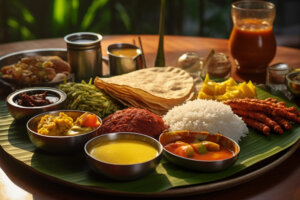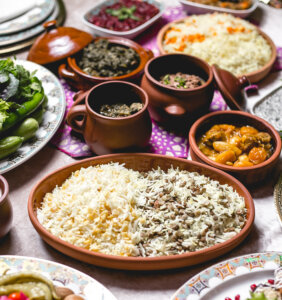
I grew up where the wind smells of salt and cardamom, between the stubborn waves of the Indian Ocean and the restless streets of Colombo. Today, Port City rises from the water like a new promise, glass catching sun, while the old lanes of Pettah still trade gossip over ginger tea and spicy cutlets. In this place, food behaves like a tide. It brings history to our doorsteps, pulls stories from far shores, and leaves us richer with each bite. You can taste our years in a spoon of crab curry, hear our resilience in the clang of kottu knives, and see our shared future served on banana leaves and porcelain plates, side by side.
Colombo does not draw straight lines between old and new. Instead, flavors mingle. The Port City promenade invites sleek cafes and pop-ups, while just beyond, the old Dutch Hospital hums with restaurateurs who turn tradition into celebration. Every meal here flips open a well-thumbed book. You learn the city by chewing slowly, by asking a vendor about her chili paste, by letting the aroma of cinnamon plant itself in your shirt. People say cities feed on opportunity; in Colombo, opportunity tastes of coconut, lime, and smoke.
The Story of Port City & Colombo Food Evolution
Colombo began as a harbor of possibilities, its shoreline once dotted with outrigger canoes and spice chests. Merchants from Arabia introduced fragrant rice dishes; Malays brought rich sweets and the rhythm of lemongrass; the Portuguese and Dutch left behind methods for baking, preserving, and wrapping; the British served tea, then watched it claim our mornings and afternoons. Burgher families nurtured oven-baked favorites and a special affection for lamprais, while Sinhalese home cooks kept the day anchored with rice, curries, and sambols that spark like matches. Tamil eateries added fiery crab, string hoppers, and dosai that stretched gracefully across a griddle.
Port City adds another chapter, not by replacing what stood before it, but by reflecting it. The sleek cafes emphasize presentation, yet many pull from the same markets as the small eateries: prawns the color of sunsets, coconuts heavy with water, cinnamon curled like sailors’ scrolls. The city grows upward, but its flavors still reach downward into the deep clay pot of memory.
Ingredients or Key Elements — essential components or cultural building blocks
The spice route in a handful
Pick up a pinch of our masala and you hold the map of our past. Cinnamon, once worth its weight in intrigue, still perfumes many kitchens. Cloves snap with intensity. Cardamom sings bright and sweet. Coriander and cumin ground into soft earth keep the curry honest, while black pepper lends a brisk nod to the ocean breeze. Turmeric stains the fingertips like sunlight; goraka lends a sour shadow that keeps fish lively and safe.
The coconut’s embrace
The coconut tree shelters our cuisine like a patient elder. Milk enriches curries; grated flesh turns sambols into snowdrifts of heat and fragrance; oil carries sizzles and secrets from pan to plate. Even the shell and husk find uses in hearth and home, so nothing goes to waste.
Grains, greens, and the sea
Rice steadies us, whether steamed, baked into lamprais parcels, or spun into lace-like string hoppers. Mung beans, jackfruit, and leafy gotukola return balance. From the sea, crab, cuttlefish, and tuna arrive with sparkly eyes at dawn, while lagoons gift tiny prawns and clams that taste like whispers of brine.
People as ingredients
Our communities define the city’s menu. Muslim kitchens perfume biriyani with rose water. Malay homes keep wattalappam glossy under caramelized roofs. Burgher bakers fold butter into memory. Sinhalese and Tamil cooks throw coriander over steaming pots, then pass plates with generous hands. The true flavor of Colombo comes from these human bridges.
- Cinnamon, cloves, cardamom, cumin, coriander, black pepper, turmeric, and goraka
- Coconut milk, grated coconut, coconut oil
- Rice, red rice, string hopper flour, roti
- Fresh seafood: crab, prawns, tuna, cuttlefish
- Sambols: pol sambol, lunu miris, seeni sambol
- Banana leaves for wrapping; Maldive fish for umami depth
Preparation or Practice — vivid step-by-step feel, sensory process
Listening to the batter breathe
A hopper starts with rice flour and coconut milk, whisked until the batter looks like a pale lagoon. A pinch of yeast wakes it. You leave it near a window where the sea air nudges it alive. The next morning, the batter smells faintly of fruit and promise. In a curved pan, you swirl a ladleful; it climbs the sides and settles into a lace-edged bowl. An egg cracked into the center blinks like sunrise.
Kottu’s street-side symphony
At dusk, you hear kottu being composed before you see it. Two metal blades beat a quick rhythm against the griddle: clack-clack, clack-clack, a tempo that makes children smile. Roti strips tumble with cabbage, leeks, and a dark curry gravy. The cook adds chili and lime, steam hisses, and the whole corner of the street smells bold. When the blades stop, a hush falls. Then the first bite breaks it open with spice and warmth.
Banana leaves and patience
Lamprais demands calm hands. Rice cooked in stock turns glossy and fragrant. You nestle a ball of it on a banana leaf, add a piece of frikkadel, a scoop of seeni sambol, a curry with tempered spices, maybe a tempered brinjal pickle. You fold the leaf so it hugs the rice and slide the parcel into the oven. When it emerges, the leaf’s smoky perfume has stitched every element together.
Crab curry that tastes like deep water
You toast fennel, cumin, and coriander until their aroma rises like a story. Cinnamon joins, then garlic, ginger, and curry leaves snap in hot oil. Coconut milk softens the edges. The crabs go in, claws awkward and beautiful. The pot simmers, bubbles steady as a fisherman’s heartbeat. A squeeze of lime brightens the end, and the curry arrives at the table with a red hush you can taste.
Sambols, pounded not whispered
In a stone mortar, you pound chili, onion, and Maldive fish with salt and lime. The pestle thuds like a drum you feel in your palm. The paste turns fiery and beautiful. You stir in grated coconut for pol sambol, or keep it hot and bare as lunu miris. Each spoonful wakes the rice and reminds it why it was cooked.
Symbolism or Local Meaning — cultural, emotional, or spiritual significance
Here, we cook for arrivals and goodbyes, for weddings and quiet Tuesdays. During Ramadan, neighbors bring wattalappam across fences, its spice floating warmly between homes. On Avurudu, new clay pots of milk overflow on the stove to call in abundance, while kokis sizzle into star-shaped patterns. At kovils, devotees carry sweet pongal that feeds both body and gratitude. Every community finds a seat at Colombo’s table. The meal itself becomes our shared language when words stumble.
Food mirrors our coast. The ocean gathers difference; so do our plates. In Port City’s polished cafes, a hopper might pair with a tamarind-glossed seafood reduction. In a Pettah alley, an auntie presses roast paan into your hand with a grin. Both carry care. Because of this, eating in Colombo feels like joining a long conversation, one that began before us and continues warmly after we leave the table.
Where to Experience It — restaurants, villages, festivals, local venues
Galle Face and the sea’s kitchen
Walk the Galle Face promenade at golden hour. The wind lifts kites and the scent of isso wade crackling in oil. Vendors plate them with lime and green chilies, and the sea keeps clapping in approval. On some evenings, you find biriyani stacked high, each grain glistening and aromatic.
Pettah Market and old-town appetite
Slip into Pettah’s lanes where spice sacks lean like friendly guards. Ask for the freshest goraka, smell cinnamon bark that curls like sails, and bargain gently for curry leaves still dewy from the morning. Street-side counters offer short eats: fish rolls, patties, and crumbed delights that disappear too fast.
Burgher classics and Dutch echoes
Seek out lamprais at a trusted Burgher kitchen or a community club cafe, where banana leaves perfume the air. These spaces often share recipes that traveled through generations, and they serve them with stories that fill the pauses between mouthfuls.
Malay sweetness and island depth
In Kompannavidiya and nearby neighborhoods, you will find wattalappam that glows under caramel, satay threaded with memory, and acharu jars lined up like jewels. Call ahead if you can; many of the best treats cook in small batches.
Seafood halls and sunrise auctions
If you wake early, visit a fish market near the city. Watch the auctions, hear laughter rise above the calls, and choose crabs that look lively. Nearby eateries often cook your catch with finesse, turning the morning into a feast by noon.
Port City’s new promenades
On weekends, Port City’s waterfront sometimes hosts food pop-ups and family-friendly stalls. You might sip king coconut while looking at that widening skyline, then taste a modern riff on kottu or a delicate tea-infused dessert. The pulse feels youthful, yet the flavors still nod to our elders.
Tips for Travelers — etiquette, authenticity tips, do’s & don’ts
- Ask for spice preferences. Many vendors adjust heat without losing soul.
- Eat with your right hand when possible, and wash before and after. Most places provide sinks.
- Banana leaves are plates; fold them toward you after eating to show appreciation.
- Seek small family-run spots. They often carry the city’s deepest flavors.
- Try tea at different times: strong morning brew, and gentle afternoon pours with short eats.
- Carry cash for markets, though many city cafes accept cards or digital payments.
- Share tables if invited. Colombo dining often welcomes conversation and community.
- If you have dietary needs, speak up kindly. Many kitchens offer vegetarian, vegan, and halal options.
- Reduce waste. Bring a reusable bottle and say no to extra plastic when you can.
- Always ask before photographing people, especially vendors and cooks at work.
Conclusion — reflective, sensory, and emotionally resonant
By the time the sun slips behind Port City’s edges, Colombo smells of charcoal, curry leaves, and warm bread. Your fingers remember how hoppers crack gently, your ears hold the clatter of kottu, and your tongue keeps the lime’s bright goodbye. Here, every dish carries a lineage of sailors, home cooks, celebrants, and curious children leaning over pots. This city feeds you, yes, but it also introduces you to your own appetite for connection.
Stand where the new promenade meets the old waves, and bite into something honest: a prawn fritter, a spoon of crab curry, or a parcel of lamprais. Feel the heat, taste the kindness, hear the city’s many kitchens speaking at once. Then breathe. You have arrived at a table that always has room for one more plate, and one more story.
Continue Reading
-
Jaffna Festivals & Food: Yal Panam Traditions
In Jaffna, which elders still call Yal Panam, the seasons taste of smoke, salt, and song. The mornings wake to…
-
Colombo Fine Dining Guide : Restaurants & Signature Dishes
Evenings in Colombo carry a soft salt wind from the ocean, the kind that curls into alleys scented with cinnamon…
-
Sri Lankan Vegetarian Dishes: Best Local Options
I grew up waking to the clack of a coconut scraper and the perfume of curry leaves leaping into hot…