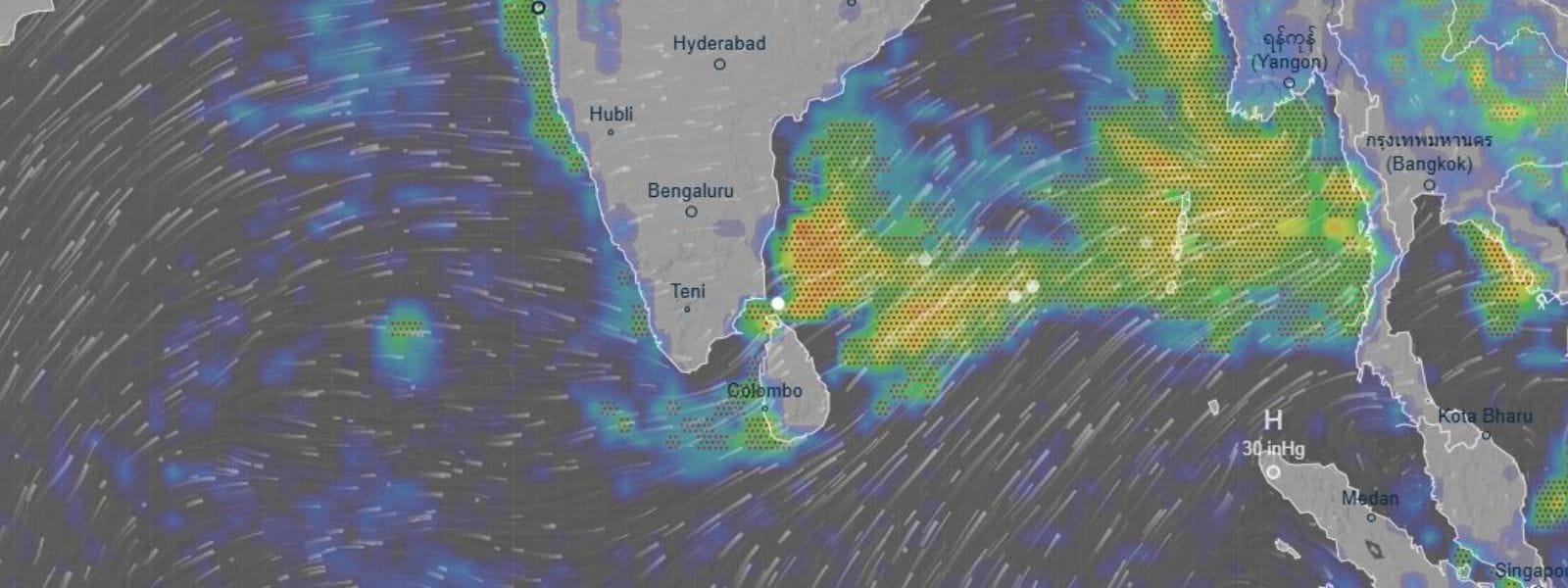
Sri Lanka is a year-round destination, but the best time to visit depends on where you want to go. Unlike destinations with one clear summer and winter, Sri Lanka is influenced by two monsoons and two inter-monsoon periods. This means that while one side of the island may be wet, another region can be sunny and ideal for a beach holiday.
The island’s lowlands are generally warm throughout the year, while the Central Highlands are noticeably cooler. Rainfall varies dramatically from the wet southwestern slopes to the drier northern and southeastern areas.
With this article i’ll be link all relevant places and articles to easily plan your trip. Use our Trip planing tool for plan your trip.
Quick answer:
- South & West Coast: Best from November to April
- East Coast: Best from April/May to September
- Northern Sri Lanka: Generally best from February to September
- Cultural Triangle: Best from January to September, with the driest conditions usually early in the year
- Hill Country: Best from January to April, although it can be visited throughout the year
- Wildlife: Timing varies by national park and animal activity
- Surfing: Choose the coast according to the season
Weather can change from year to year. Treat these periods as planning guidelines rather than guarantees. For specific travel dates, always check the latest local forecast before travelling.
Sri Lanka Weather at a Glance
| Season | Months | What to Expect | Best Regions |
|---|---|---|---|
| Northeast Monsoon | December–February | Rain mainly affects the north and east; southwest is often drier | South, West, Hill Country |
| First Inter-Monsoon | March–April | Hot, humid conditions with afternoon thunderstorms possible | Cultural Triangle, Hill Country, South/West |
| Southwest Monsoon | May–September | More rain on southwest-facing areas and hills | East Coast, North, Cultural Triangle |
| Second Inter-Monsoon | October–November | Unsettled weather and showers across much of the island | Wildlife, cultural sites, flexible itineraries |
Sri Lanka Tourism describes the island as having four broad climate seasons, with the southwest monsoon generally affecting the southwest and the northeast monsoon bringing rain to northern and eastern areas.
Sri Lanka Weather Month by Month
January
Weather: January is one of the most popular months for travelling around southern and western Sri Lanka. The southwest coast generally experiences sunny and relatively dry conditions, while the north and east can still receive northeast monsoon rain.
Typical temperatures:
- Lowlands: around 25–31°C
- Hill Country: around 10–22°C, depending on altitude
Rainfall: Lower on the southwest coast, while northern and eastern areas can experience showers.
Sea conditions: The southwest coast is generally among the better choices for calmer sea conditions during this period.
Best activities:
- Beach holidays
- Whale watching around the southern coast
- Galle Fort
- Wildlife safaris
- Tea-country visits
- Cultural sightseeing
Best regions:
Colombo, Negombo, Bentota, Galle, Unawatuna, Mirissa, Weligama, Yala, Ella, Nuwara Eliya and Kandy.
February
February is another excellent month for exploring the south and west coast.
The weather is generally warm and suitable for combining beaches with cultural attractions and wildlife. The Central Highlands can be particularly pleasant for hiking, scenic train journeys and tea-country exploration.
Typical temperatures:
- Coast: 25–32°C
- Cultural Triangle: around 24–32°C
- Hill Country: approximately 10–23°C
Rainfall: Generally lower in the southwest than during the southwest monsoon.
Sea conditions: Often favourable along the south and southwest coast.
Best activities:
- Swimming and beach time
- Whale watching
- Surfing
- Hiking
- Scenic train journeys
- Ancient city sightseeing
Best regions:
South Coast, West Coast, Kandy, Ella, Nuwara Eliya, Sigiriya and Yala.
March
March marks the beginning of the first inter-monsoon period. Temperatures rise, and conditions can become hot and humid, particularly in the lowlands.
Afternoon or evening thunderstorms are possible, but mornings can still be excellent for sightseeing.
Typical temperatures:
- Lowlands: 26–33°C
- Hill Country: 12–24°C
Rainfall: Increasing thunderstorm activity is possible across parts of the island.
Sea conditions: Often still favourable on the south and west coast, although conditions can change.
Best activities:
- Cultural sightseeing early in the day
- Hiking
- Wildlife safaris
- Beaches
- Tea plantations
- Waterfalls
Best regions:
South Coast, West Coast, Cultural Triangle and Hill Country.
Travel tip: Start outdoor activities early and keep your afternoons flexible in case thunderstorms develop.
April
April is one of Sri Lanka’s hottest months in many lowland areas and coincides with the Sinhala and Tamil New Year period.
The weather can be bright and sunny but increasingly humid, with afternoon thunderstorms possible.
Typical temperatures:
- Lowlands: 27–34°C
- Hill Country: 13–25°C
Rainfall: Increasing thunderstorm activity, particularly during afternoons.
Sea conditions: Conditions begin transitioning between seasonal wind patterns.
Best activities:
- Cultural experiences
- New Year celebrations
- Hill Country trips
- Tea estate visits
- Beach holidays
- Waterfalls
Best regions:
Hill Country, Cultural Triangle, South Coast and East Coast.
May
May marks the beginning of the Southwest Monsoon.
Rain becomes more frequent along the southwest coast and the western slopes of the Central Highlands. However, this does not mean the entire island is rainy.
The east coast begins becoming an increasingly attractive alternative.
Typical temperatures:
- Lowlands: 27–33°C
- Hill Country: 13–24°C
Rainfall: Increasing on the southwest coast and western hills.
Sea conditions: The southwest coast can become rougher. Eastern beaches become more attractive.
Best activities:
- East Coast beaches
- Cultural Triangle
- Wildlife
- Surfing
- Heritage sightseeing
- Scenic inland travel
Best regions:
Trincomalee, Nilaveli, Pasikuda, Arugam Bay, Sigiriya and Polonnaruwa.
June
June is firmly within the southwest monsoon season.
The western and southwestern regions can experience periods of rain, while the east and north can offer much better beach weather.
Typical temperatures:
- Lowlands: 26–32°C
- Hill Country: 12–23°C
Rainfall: Higher in the southwest and Central Highlands.
Sea conditions: Eastern coast generally becomes the better choice for swimming and beach activities.
Best activities:
- East Coast beaches
- Surfing at Arugam Bay
- Wildlife safaris
- Cultural Triangle
- Jaffna exploration
- Ancient city visits
Best regions:
East Coast, Northern Sri Lanka and Cultural Triangle.
July
July is an excellent month to look beyond the southwest coast.
The east coast is generally one of the strongest choices for a beach holiday, while northern Sri Lanka can also be hot and comparatively dry.
The famous Kandy Esala Perahera period can also make July and August particularly interesting for visitors interested in culture and festivals, although exact event dates vary each year.
Typical temperatures:
- North/East lowlands: 27–33°C
- Hill Country: 12–23°C
Rainfall: Southwest and hill-country areas can receive monsoon showers.
Sea conditions: East Coast generally offers better conditions for beach activities.
Best activities:
- Surfing
- Swimming
- Snorkelling
- Diving
- Cultural festivals
- Wildlife safaris
- Ancient cities
Best regions:
Arugam Bay, Trincomalee, Nilaveli, Pasikuda, Jaffna, Sigiriya and Polonnaruwa.
August
August continues to favour the east and north.
It is one of the better months for combining an East Coast beach holiday with the Cultural Triangle.
Typical temperatures:
- East/North: 27–33°C
- Central Highlands: 12–23°C
Rainfall: Southwest regions remain affected by the monsoon, although rainfall can vary considerably from day to day.
Sea conditions: East Coast generally remains the preferred side for beach activities.
Best activities:
- Arugam Bay surfing
- Snorkelling and diving
- Beach holidays
- Cultural sightseeing
- Wildlife safaris
- Kandy cultural experiences
Best regions:
East Coast, Cultural Triangle, North and selected wildlife areas.
September
September is a transition month.
The east and north can still provide good conditions, but weather patterns gradually begin changing ahead of the second inter-monsoon.
Typical temperatures:
- Lowlands: 26–32°C
- Hill Country: 12–23°C
Rainfall: Southwest remains capable of receiving showers; thunderstorms can occur elsewhere.
Sea conditions: Eastern coastal conditions can remain useful for beach trips, but conditions become increasingly changeable.
Best activities:
- Cultural Triangle
- Wildlife
- East Coast beaches
- Hiking
- Heritage tours
Best regions:
East Coast, Cultural Triangle, North and selected wildlife destinations.
October
October is the beginning of the second inter-monsoon period and is one of the more unpredictable months.
Rain can occur across many parts of the island, sometimes as heavy afternoon or evening showers.
However, October can also bring beautiful green landscapes and quieter travel conditions.
Typical temperatures:
- Lowlands: 25–32°C
- Hill Country: 12–23°C
Rainfall: Potentially widespread, with thunderstorms possible.
Sea conditions: Can become rough and unpredictable around different parts of the island.
Best activities:
- Cultural sightseeing
- Short hikes between weather windows
- Wildlife experiences
- Tea-country scenery
- Food and cultural experiences
Best regions:
Cultural Triangle, Hill Country and wildlife destinations, depending on the forecast.
November
November remains part of the second inter-monsoon period and can be one of the wetter months in Sri Lanka.
However, rainfall does not necessarily mean continuous rain all day. Sunny periods can appear between showers.
Typical temperatures:
- Lowlands: 25–31°C
- Hill Country: 12–22°C
Rainfall: Heavy showers can occur across several regions.
Sea conditions: Can be unsettled.
Best activities:
- Cultural attractions
- Wildlife
- Tea plantations
- Short sightseeing trips
- Wellness and indoor experiences
Best regions:
Choose based on the short-term forecast rather than relying solely on the month.
December
December marks the beginning of the Northeast Monsoon season, but the southwest coast generally becomes one of the most attractive parts of Sri Lanka.
Beach destinations such as Mirissa, Unawatuna, Bentota and other southern and western coastal locations begin entering their popular season.
Typical temperatures:
- Coast: 25–31°C
- Hill Country: 10–22°C
Rainfall: Northern and eastern areas can experience northeast monsoon showers.
Sea conditions: Southwest coast generally becomes more favourable.
Best activities:
- Beach holidays
- Whale watching
- Diving and snorkelling
- Surfing
- Wildlife
- Cultural sightseeing
Best regions:
South Coast, West Coast, Hill Country, Galle, Mirissa, Bentota and Yala.
Weather by Region
South & West Coast
The south and west are among Sri Lanka’s most popular beach regions.
The best general period is November to April, when the southwest coast is typically drier and the sea is often more favourable. Sri Lanka Tourism specifically notes that northeast winds make the southwest coast sunnier and calmer from approximately November to March.
Popular destinations:
- Colombo
- Negombo
- Bentota
- Hikkaduwa
- Galle
- Unawatuna
- Weligama
- Mirissa
- Tangalle
Best for:
- Beaches
- Surfing
- Whale watching
- Diving
- Snorkelling
- Coastal road trips
Best months: December–March
Less suitable: May–September, when the southwest monsoon can bring more rain and rougher seas.
East Coast
The east coast follows almost the opposite beach season.
As the southwest monsoon affects western and southwestern Sri Lanka, the eastern coast often experiences its more attractive beach period.
Popular destinations:
- Trincomalee
- Nilaveli
- Pasikuda
- Arugam Bay
- Batticaloa
Best for:
- Beaches
- Surfing
- Snorkelling
- Diving
- Sunrise views
- Relaxed coastal trips
Best months: May–September
Arugam Bay is particularly well known for surfing, while Trincomalee and Nilaveli are popular for beaches and marine activities. Sri Lanka Tourism identifies the east as a major beach and water-sports region during the appropriate seasonal conditions.
Northern Sri Lanka
Northern Sri Lanka has a noticeably different character from the tropical beach resorts of the southwest.
Jaffna, Delft Island and the surrounding northern areas are generally hot, with seasonal rainfall influenced by the northeast monsoon.
Best general period: February–September
Popular experiences:
- Jaffna Fort
- Nallur cultural sites
- Delft Island
- Northern cuisine
- Hindu temples
- Local culture
- Coastal exploration
Best months for outdoor exploration: February–September
Weather consideration: December and January can be wetter because of the northeast monsoon.
Cultural Triangle
Sri Lanka’s Cultural Triangle includes some of the island’s most important ancient sites, including Sigiriya, Dambulla, Anuradhapura and Polonnaruwa.
The region is part of the country’s generally drier zone, although temperatures can become quite high.
Best general period: January–September
Typical daytime temperatures: roughly 28–34°C, with hotter conditions possible.
Best activities:
- Sigiriya Rock Fortress
- Ancient cities
- Temple visits
- Cycling
- Wildlife safaris
- Sunrise and sunset photography
Best strategy
For sites such as Sigiriya and Polonnaruwa, early morning is usually the most comfortable time for outdoor sightseeing, especially during hotter months.
The Cultural Triangle can also work well during the southwest monsoon because the region does not experience the same rainfall pattern as the southwest coast.
Hill Country
Sri Lanka’s Central Highlands are a completely different climatic experience from the coast.
Kandy, Nuwara Eliya, Ella and surrounding mountain areas are cooler because of their elevation. The official tourism guidance notes that the central highlands are particularly pleasant and relatively dry from January to April.
Kandy
Warm compared with Nuwara Eliya but generally cooler than the coastal lowlands.
Nuwara Eliya
One of the coolest popular destinations in Sri Lanka. Nights can feel genuinely cold, especially during December–February.
Ella
Mild daytime temperatures, cooler evenings and spectacular mountain scenery make Ella popular throughout much of the year.
Best activities:
- Hiking
- Tea plantation visits
- Scenic train journeys
- Waterfalls
- Mountain viewpoints
- Nature walks
Best general period: January–April
The hills remain attractive outside this period, but cloud, mist and rainfall can affect visibility and hiking conditions.
Sri Lanka Rainfall: What Travellers Need to Know
Sri Lanka’s rainfall is strongly influenced by its two monsoons, two inter-monsoon periods and mountainous terrain. The central highlands play an important role in determining where rain falls.
Southwest Monsoon
May–September
Primarily affects:
- Western Sri Lanka
- Southwestern coast
- Southern areas
- Western slopes of the Central Highlands
Northeast Monsoon
December–February
Primarily affects:
- Northern Sri Lanka
- Eastern Sri Lanka
- Northeastern areas
First Inter-Monsoon
March–April
Expect:
- Hot conditions
- High humidity
- Afternoon thunderstorms
Second Inter-Monsoon
October–November
Often the most unsettled period, with:
- Heavy showers
- Thunderstorms
- Rain across multiple regions
- Occasionally rough seas
Sri Lanka Temperature Guide
Sri Lanka does not have a dramatic summer/winter temperature cycle because the island is tropical.
Instead, altitude and location make the biggest difference.
| Region | Typical Climate |
|---|---|
| Colombo / West Coast | Hot and humid |
| South Coast | Warm and humid |
| Cultural Triangle | Hot, particularly around midday |
| North | Hot and generally dry for much of the year |
| East Coast | Hot and tropical |
| Kandy | Warm with cooler evenings |
| Ella | Mild days and cool evenings |
| Nuwara Eliya | Cool, particularly at night |
The lowlands average around 27°C, while temperatures in the Central Highlands can fall substantially lower. Sri Lanka Tourism notes that temperatures in the central hills can reach around 14°C or below depending on location and conditions.
Sea Conditions Around Sri Lanka
One of the biggest advantages of Sri Lanka’s climate is that you can often change coasts rather than cancel your beach holiday.
November–March
Prefer:
- South Coast
- Southwest Coast
- West Coast
These areas generally have their better beach conditions during this period.
May–September
Prefer:
- East Coast
- Northeast Coast
The eastern side generally becomes the better choice for beaches and water activities.
October–November
Be more flexible. The second inter-monsoon can produce changing conditions around the island.
Important: Ocean conditions can change quickly. Always follow local warnings and conditions from qualified operators before swimming, surfing, diving or taking a boat trip.
Best Activities by Season
| Activity | Best General Period | Recommended Areas |
|---|---|---|
| Beach holiday | Dec–Apr | South & West |
| East Coast beaches | May–Sep | Trincomalee, Pasikuda |
| Surfing | Seasonal | South/West or East depending on month |
| Whale watching | Mainly Dec–Apr | Mirissa / South Coast |
| Hiking | Jan–Apr | Ella, Nuwara Eliya, Knuckles |
| Tea-country visits | Jan–Apr | Nuwara Eliya, Ella |
| Cultural sightseeing | Jan–Sep | Cultural Triangle |
| Wildlife safaris | Varies by park | Yala, Udawalawe, Minneriya, Wilpattu |
| Diving/snorkelling | Seasonal | Choose coast according to monsoon |
| Scenic train journeys | Year-round | Kandy–Ella region |
| White-water rafting | Generally Nov–Apr | Kitulgala |
Sri Lanka Tourism lists surfing, diving, snorkelling, trekking, kayaking and rafting among the island’s major adventure activities, with conditions varying by location and season.
Best Sri Lanka Regions by Month
| Month | Best Regions | Good For |
|---|---|---|
| January | South, West, Hill Country | Beaches, wildlife, sightseeing |
| February | South, West, Hill Country | Beaches, whale watching, hiking |
| March | South, West, Cultural Triangle | Beaches, culture, hiking |
| April | Cultural Triangle, Hill Country, East | Culture, mountains, beaches |
| May | East, North, Cultural Triangle | Beaches, surfing, heritage |
| June | East, North, Cultural Triangle | Beaches, surfing, wildlife |
| July | East, North, Cultural Triangle | Surfing, beaches, festivals |
| August | East, North, Cultural Triangle | Beaches, surfing, heritage |
| September | East, North, Cultural Triangle | Beaches, culture, wildlife |
| October | Flexible itinerary | Culture, wildlife, scenery |
| November | Flexible itinerary | Culture, wildlife, hill country |
| December | South, West, Hill Country | Beaches, whale watching, sightseeing |
Where Should You Go Based on Your Travel Month?
Visiting Sri Lanka in January–February?
Choose the South & West Coast + Hill Country.
A classic route could include:
Colombo → Galle → Mirissa → Yala → Ella → Nuwara Eliya → Kandy
Visiting in March–April?
Combine:
South Coast + Cultural Triangle + Hill Country
This is a particularly good period for travellers who want a mixture of beaches, culture and mountains.
Visiting in May–September?
Turn your itinerary towards:
East Coast + North + Cultural Triangle
For example:
Sigiriya → Polonnaruwa → Trincomalee → Nilaveli → Arugam Bay → Jaffna
This is one of the most useful things to understand about travelling in Sri Lanka: you don’t necessarily need to avoid the island during the southwest monsoon. Simply choose the side of the island where the seasonal weather is more favourable.
Visiting in October–November?
Build a flexible itinerary.
Rather than planning every beach day in advance, prioritise:
- Cultural attractions
- Wildlife
- Scenic drives
- Tea country
- Local food
- Short hikes between weather windows
Keep your itinerary flexible because the second inter-monsoon can bring showers across several regions.
Visiting in December?
Start with:
South Coast + West Coast + Hill Country
December is the beginning of the popular southwest beach season, while the Central Highlands can provide a cool contrast to the coast.
Is There a Best Month to Visit Sri Lanka?
There isn’t one perfect month for the entire island.
Instead, the better question is:
Which part of Sri Lanka do you want to experience?
For a South Coast beach holiday, choose roughly December to March.
For the East Coast, consider May to September.
For the Hill Country, January to April is particularly attractive.
For the Cultural Triangle, much of January to September can work well, although temperatures can be high.
For a whole-island itinerary, December to March is often the easiest period for combining the south, west and central regions, while May to September is better suited to an itinerary focused on the north, east and Cultural Triangle.
Sri Lanka Weather: The Simple Rule
Remember these four rules when planning your trip:
☀️ November–April → South & West
🌊 May–September → East & North
⛰️ January–April → Hill Country
🏛️ January–September → Cultural Triangle
And most importantly, Sri Lanka’s weather is regional rather than uniform. A rainy forecast for Colombo does not automatically mean it will be raining in Trincomalee, and a wet day in the hills does not mean your entire Sri Lankan holiday is lost.
That geographical variety is one of the island’s biggest advantages for travellers.
Before You Travel
Seasonal averages are useful for planning, but they cannot predict the exact weather on your travel dates. Check the latest forecast and official weather warnings shortly before travelling, particularly if your plans involve the ocean, mountain trails or long-distance road journeys. Sri Lanka’s Department of Meteorology provides current weather information and warnings, while Sri Lanka Tourism also advises travellers to stay informed about weather conditions.
Sri Lanka is a year-round destination — the trick is choosing the right region for the season.
Continue Reading
-
Mistakes Travelers Make in Sri Lanka & How to Avoid Them
I still remember my first sunset in Sri Lanka: a peach sky over coconut palms, the smell of cinnamon tea,…
-
Budget Food Tips: Eating Cheap in Sri Lanka
Food in Sri Lanka can be gloriously cheap, wonderfully fresh, and packed with flavor. When you learn where locals eat…
-
How to Travel Sri Lanka as a Solo Female Traveler
Sri Lanka has a way of surprising solo travelers in the best possible way. One day you sip tea with…