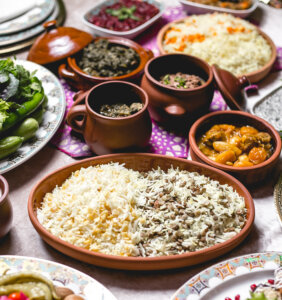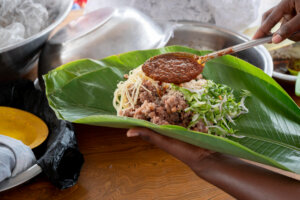
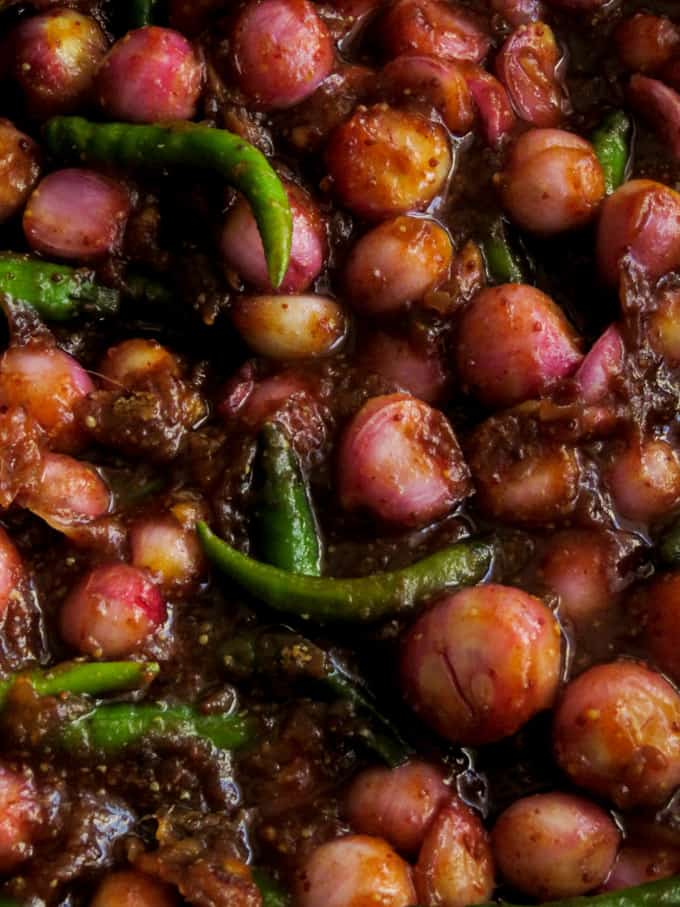
On our island, jars tell stories. In the soft morning light, you might see them lined along a sill, glass warm with sun, spices blooming like fireworks inside. Open one, and the room fills with the tang of coconut vinegar, the bite of mustard, and the mellow sweetness of slow-cooked fruit. Sri Lankan pickles and chutneys do more than sharpen a meal; they carry memories of harvests, festivals, and kitchens buzzing with laughter. I grew up reaching for these bright, brave flavors, learning early that a spoonful can turn rice and curry into a living map of our culture.
When I lift a lid, I hear my grandmother’s wooden spoon tapping the rim, a gentle metronome guiding the simmer. I see neighbors trading jars over garden fences, each batch a signature. Sri Lankan pickles and chutneys pull together our island’s many roots. They blend Sinhala, Tamil, Muslim, Malay, and Burgher influences into a chorus that sings of heat, salt, and sweetness in perfect time.
The Story of Sri Lankan Pickles & Chutneys: Tradition & Taste
Long before refrigerators, we learned to catch a season in a bottle. Traders brought vinegar, tamarind, and new ideas to our ports; our people answered with green mangoes, limes, eggplant, and a fierce love for spice. Over centuries, we built a pantry that could outlast rains and road closures, a pantry that tasted like sunshine even on the stormiest day.
Our pickles – achcharu and moju—often arrive crisp, sour, and assertive, standing tall beside rice, string hoppers, hoppers, and festive spreads. Chutneys, slow and generous, carry fruit into the realm of spice and caramel, sliding across the plate like silk. You may hear different names in different homes: Malay-style achcharu at weddings, Jaffna’s fiery relishes with sun-dried chilies, or the Burgher table’s sweet-tart accompaniments. Each speaks a dialect of the same language—hospitality held in glass.
Ingredients or Key Elements — essential components or cultural building blocks
Our baskets brim with produce and spices that stand up to bold treatment. The best jars begin with careful choice.
- Green mangoes, ambarella, pineapple, or young jackfruit (polos) for tart, meaty bites
- Limes and lemons for salted preserves like lunu dehi
- Eggplant for wambatu moju, caramel-soft and peppery
- Red onions and shallots for seeni sambol and onion relishes
- Fresh chilies and dried flakes for bright heat
- Mustard seeds, fenugreek (huluhal), cumin, and turmeric for spice backbones
- Curry leaves, pandan (rampe), and cinnamon for island perfume
- Tamarind, coconut or palm vinegar, and jaggery for the sweet-sour balance
- Ginger and garlic for warmth and depth
- Maldive fish (umbalakada) in some sambols and chutneys, adding umami; many families keep vegetarian versions
We also lean on the tools and rhythms that shape flavor and memory.
- Miris gala (grinding stone) and wangediya (mortar and pestle) for pounding spice pastes
- Sunlight for gentle fermentation and curing
- Ceramic or glass jars, clean and dry, sometimes with banana leaf circles beneath the lid
- Family recipes written on yellowing paper, passed down with a smile and a warning: taste, then trust your tongue
Preparation or Practice — vivid step-by-step feel, sensory process
We start by washing and patting everything dry. Water and pickles quarrel, so we keep them apart. I slice mango into thick, green crescents and salt them until they blush and give up their extra moisture. For eggplant moju, I fry batons to a bronze edge that snaps softly under the tooth.
In a small pan, mustard seeds go first. They pop like tiny fireworks, then curry leaves leap in with a whisper and a curl of scent. Fenugreek follows, just enough to lend a toasty, bittersweet nudge. I add sliced onions and stir until they turn glassy and sweet. The air turns velvety with cinnamon and clove, then brightens when vinegar hits the pan, rising in a rush that clears the head.
For chutneys, patience becomes the stove’s secret ingredient. Mango or pineapple cubes tumble into a pot with tamarind, jaggery, chili, ginger, and a pinch of salt. The mixture thickens slowly, bubbles shouldering one another, until it feels like satin. I keep a spoon nearby for tasting, not measuring; this is the kind of cooking that listens.
Assembly feels ceremonial. I layer fruit or vegetables with the spiced syrup or vinegar, tucking in the last slack spoonful of sauce. The jar warms gently on the sill when the sun is mild; a day or two lets flavors marry. For lunu dehi, salted limes rest longer, their sharpness mellowing into a complex chorus that can lift even a simple rice gruel. When I finally twist a lid and inhale, I can tell if the batch sings or needs a touch more salt. The answer sits right on the tongue.
Symbolism or Local Meaning – cultural, emotional, or spiritual significance
Every family I know keeps at least one jar that tastes like home. We lean on Sri Lankan pickles and chutneys to complete a meal, but also to mark time. At New Year, Malay-style achcharu glows on the table, its carrots and beans dressed in mustard and vinegar, offering a crisp promise for the months ahead. During weddings, a sweet chutney might appear beside rich curries, a reminder that love needs balance—heat, sweetness, and plenty of tang.
When someone visits, I always reach for a relish. A spoonful says, “Sit, stay, you are welcome here.” Neighbors swap jars during harvest, and elders whisper tips for settling a queasy stomach with a tiny bite of salted lime. Many of us believe these preserves keep us resilient: they make a lean season taste generous, and a feast feel complete. In Jaffna, in Kandy, along the eastern lagoons, each community seasons its jars a little differently, yet the gesture remains the same—care made edible.
Where to Experience It – restaurants, villages, festivals, local venues
Start at the markets, where aromas drift like music. In Colombo’s Pettah, vendors lean over pyramids of chili, mustard, and cinnamon, selling small-batch jars with hand-tied covers. Ask to smell a lime pickle before buying; the right one will twang your nose and tug a grin from you. In Kandy’s central market, fruit sellers can point you to families who pickle mango after school hours, their recipes sharpened by generations of tasting.
Down south in Galle Fort, cafés often plate lamprais-inspired meals with seeni sambol and brinjal moju that glide between sweet and smoky. Along the northern roads to Jaffna, small eateries keep crimson chutneys ready for dosai, the combination crisp, hot, and comforting. On the east coast in Batticaloa or Trincomalee, look for ambarella achcharu at evening stalls, served in paper cones with a wink and an extra sprinkle of chili.
For a glimpse of home-style craft, step into a Hela Bojun Hala, our women-led food courts found across the country. Many serve seasonal chutneys and relishes that taste like a cousin cooked them for you. If you visit in April for Avurudu, the Sinhala and Tamil New Year, you will see achcharu sharing the table with milk rice, kavum, and kokis—each plate a celebration of renewal.
Tips for Travelers – etiquette, authenticity tips, do’s & don’ts
- Start small: Sri Lankan pickles and chutneys can pack heat and sharpness; a teaspoon often suffices.
- Ask about ingredients: many relishes include Maldive fish; vegetarian and vegan options are common too.
- Balance your plate: pair bold relishes with rice, hoppers, or bread to let flavors shine, not shout.
- Check the seal: buy from reputable vendors; look for clean jars, tight lids, and clear labels or dates.
- Mind the sun: avoid jars that sat in harsh heat all day; quality lives in shade and cleanliness.
- Taste before you buy: most market sellers will offer a dab; it’s part of the fun and helps you choose.
- Use your right hand for eating when sharing family-style; ask for a spoon if you prefer.
- Learn a word or two: “istuti” (thank you in Sinhala) or “nandri” (thank you in Tamil) always earns a smile.
- Bring glass-safe packing if you plan to travel with jars; wrap them well and keep them upright.
- Be mindful with photos: ask first, especially at small home-run stalls; respect keeps doors open.
Conclusion – reflective, sensory, and emotionally resonant
Hold a spoon above a jar and listen. The clink against glass, the soft scrape as you lift a glossy piece of eggplant or a shard of mango—these sounds belong to our kitchens as surely as the temple bell or the morning crow. Sri Lankan pickles and chutneys turn patience into flavor and community into a meal that lingers on the tongue. They invite you to slow down, to taste the monsoon in a lime, the afternoon sun in a strand of caramelized onion, the pulse of our island in mustard and chili.
When you travel here, follow your nose to the nearest jar. Let a vendor talk you through their family method. Trade a story for a taste. You will leave with more than a souvenir; you will carry a piece of Sri Lanka that keeps brightening your table, long after the plane lands and the spices settle.
Continue Reading
-
Kandy Cultural Dance: History & Costumes
At dusk in Kandy, when the lake turns the color of old tea and oil lamps quiver in the breeze,…
-
Hidden Food Trails in Galle, Kandy & Jaffna
At dawn, Galle smells of the sea and cinnamon. In Kandy, mist slips between jackfruit trees while kettles whistle and…
-
Port City & Colombo Food Evolution
I grew up where the wind smells of salt and cardamom, between the stubborn waves of the Indian Ocean and…