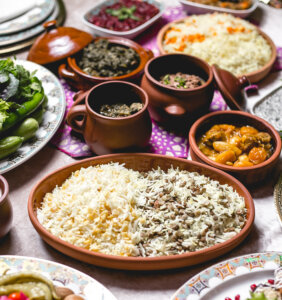
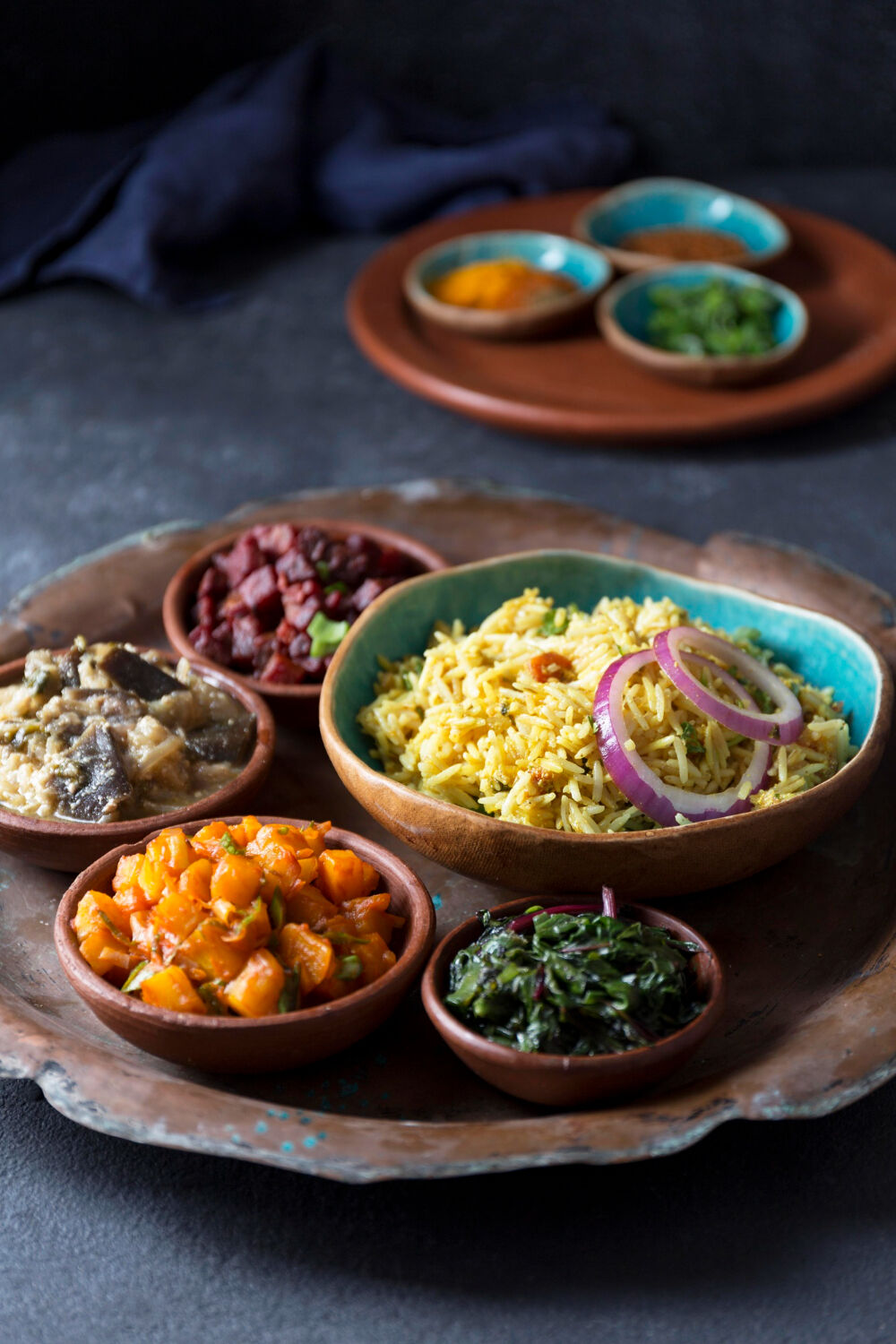
I grew up waking to the clack of a coconut scraper and the perfume of curry leaves leaping into hot oil. In our kitchen, vegetarian food did not feel like a choice or a label; it felt like the rhythm of life. Rice steamed in a clay pot, jackfruit softened into buttery petals, and a chorus of sambols brightened the table like a festival. If you seek Sri Lankan Vegetarian Dishes: Best Local Options, you will find more than recipes. You will find history, faith, and kindness ladled into a bowl.
This island loves contrast: sour with sweet, creamy with sharp, gentle warmth with a spark of fire. The flavors tell stories in many tongues—Sinhala, Tamil, Muslim, Burgher—each generous with spice and memory. As a traveler, you will hear that story at dawn in the market, at noon in a roadside kade, and at dusk when neighbors pass a steaming pot over the fence “just to taste.”
Come hungry, and come curious. The best vegetarian plates here carry the sea breeze, temple bells, and laughter you can taste. They carry a way of living that prizes sharing as much as seasoning.
The Story of Sri Lankan Vegetarian Dishes: Best Local Options
Our vegetarian table began long before restaurants printed menus. Farmers cooked what the season offered and what the heart allowed. Buddhist homes leaned toward compassion on Poya days, with meatless meals that felt clean and light. Hindu families kept temple fasts and festival foods that glowed golden with ghee and treacle. Muslim and Catholic neighbors swapped sweets at Eid and Christmas, adding their own spice notes to a shared island pantry.
Jackfruit was the quiet hero. During hard times it kept families fed, earning the tender nickname “bath gediya,” the rice that grows on trees. Young jackfruit, polos, turns into a fibrous curry scented with roasted spices and goraka’s sour hush. Ripe waraka becomes dessert, perfumed like honeyed bananas after rain. Meanwhile, parippu—our red lentil dal—held the center of many tables, humble yet grand, always ready to comfort a tired body and a busy mind.
Street vendors built rituals of their own. At dusk, knives dance on hot iron as kottu roti meets vegetables and egg, the clang a city lullaby. In Jaffna, tamarind tang meets coconut milk velvet, and a simple string hopper breakfast becomes something close to prayer. This is how Sri Lankan vegetarian food grew—through temples, thresholds, and street corners, each feeding the other.
Ingredients or Key Elements — essential components or cultural building blocks
The island cooks with a painter’s palette. Each spice and leaf sings in harmony with rice, coconut, and seasonal produce. You will taste warmth, brightness, and a sudden flare that fades into sweetness.
- Rice and Millet: Steamed rice anchors every meal, with red rice for nuttiness and millets in village kitchens for earth and energy.
- Coconut in Many Forms: Grated, milked, toasted, or pressed into oil; the coconut is our tree of life and the body of many curries.
- Spice Quartet: Curry leaves, pandan leaf, cinnamon, and turmeric give aroma, color, and the soft glow of comfort.
- Heat and Lift: Fresh green chillies and dried red chillies bring heat, while lime and tamarind add balance and lift.
- Vegetable Heroes: Jackfruit, pumpkin, ash plantain, okra, brinjal, gotu kola, and mellow greens for mallung.
- Proteins from the Earth: Red lentils, chickpeas, green gram, and cashews make meals hearty, nourishing, and kind.
- Condiments with Character: Pol sambol’s fresh bite, seeni sambol’s caramel depth, and coconut chutneys to cool and spark.
Many dishes are naturally vegan and gluten-free because coconut and rice lead the way. Just ask to avoid Maldive fish in sambols or brinjal moju for a fully vegetarian plate.
Preparation or Practice — vivid step-by-step feel, sensory process
Morning starts with rhythm. An auntie sits on a low stool, scraping a coconut into white snow, humming a temple melody. The mortar answers with a steady thump as red chillies, garlic, and salt become a ruby paste. A clay pot warms, oil shimmers, and the first handful of curry leaves snaps like fireworks, carrying a scent that draws the house to the stove.
For parippu, the red lentils simmer until they surrender. A separate pan crackles with mustard, cumin, and onions, turning sweet and brown. Turmeric brightens the pot like sunlight. Coconut milk slips in to soften the edges. A squeeze of lime, and the dal tastes like a hug you did not know you needed.
Polos curry begins with dry-roasted spices ground by hand—coriander, cumin, and a whisper of fennel. Young jackfruit cubes join onions and rampe, then simmer with goraka and coconut milk until the starch loosens into tenderness. Mallung comes last, fast and green. We shred gotu kola paper-thin, toss it with fresh coconut, onion, and lime, and warm it only long enough to wake the leaves.
In the evening, the hopper batter—fermented rice flour and coconut water—meets hot pans. Thin edges crisp to lace while the center stays soft. String hoppers, steamed in cloud-like nests, carry curries and sambols like small boats on a golden river.
Symbolism or Local Meaning — cultural, emotional, or spiritual significance
Vegetarian food here speaks softly about care. Feeding someone without taking life honors a wish for gentleness, especially on temple days and festival mornings. A tray of bananas, sweets, and a simple kiri hodi placed before a shrine asks for blessings with a fragrant smile.
Rice stands for life and work; coconut stands for shelter and sweetness. Jackfruit remembers hunger and resilience. Sharing food builds kinship, so a meal tastes better when neighbors join. In many homes, the first ladle goes to elders or guests, because respect must lead the way.
Where to Experience It — restaurants, villages, festivals, local venues
You can taste Sri Lankan Vegetarian Dishes: Best Local Options across the island, from humble kades to temple streets lit by lanterns.
- Colombo: Try Sri Suryas or Shanmugas in Wellawatte for pure-veg thali, crisp dosai, and coconut-rich curries with Jaffna notes. At Upali’s or Palmyrah, order polos, pumpkin curry, and creamy kiri hodi with red rice.
- Kandy: Balaji Dosai turns breakfast into ritual with ghee-free options, while small kades near the lake serve pol roti, parippu, and mallung that taste like home.
- Jaffna: Seek Mangos or a local vegetarian “hotel” for tamarind-tart curries, odiyal-based dishes, and string hoppers with fiery tomato sambol. Ask for mild heat if you prefer a gentler bite.
- Galle and the South: Family-run rice-and-curry spots near village markets serve ash plantain curry, beetroot tempered with mustard, and pineapple curry with a sweet wink.
- Hill Country: In Nuwara Eliya and Ella, morning string hoppers meet dhal and pol sambol, while tea estate canteens offer steaming parippu and pumpkin for workers at dawn.
- Festivals and Temples: During Vesak and Poson, free “dansal” stalls offer meatless meals, sweet tea, and porridge, turning streets into open kitchens of generosity.
- Markets and Homes: Pettah Market in Colombo and village pola days brim with greens for mallung, fragrant curry leaves, and jackfruit sold in gleaming wedges. Join a cooking class or a homestay to learn by stirring, tasting, and laughing together.
Wherever you go, look for the day’s vegetarian “rice and curry” board. The best plates change with the sun and the rain.
Tips for Travelers — etiquette, authenticity tips, do’s & don’ts
- Ask clearly for vegetarian plates: say “no meat or fish.” In Sinhala, “mas næhæ” and “umbalakada næhæ” avoid meat and Maldive fish. In Tamil, “saivam” and “karuvaadu illai” help.
- If you avoid eggs, add “egg no” or “biththara næhæ” in Sinhala, “muttai illai” in Tamil. Many dishes are already egg-free.
- Mind spice levels; ask for “less spicy, please.” Most kitchens will happily adjust, especially for breakfast curries.
- Eat with your right hand when possible. Wash before and after, and enjoy the way rice and curry blend when you mix them.
- Check sambols and brinjal moju for Maldive fish. Request the veg version; many places make both.
- Support small kades at lunch. The vegetarian rice-and-curry spread shines brightest in daylight, with five or six vibrant sides.
- Carry kindness and curiosity. Compliment the cook, ask about the greens, and you might learn a family secret or two.
- If you have allergies, mention coconut, cashews, and gluten concerns. Rice and many curries remain friendly to most diets.
Conclusion — reflective, sensory, and emotionally resonant
When the day cools and the lamps flicker, the table fills with color. A bowl of dal glows like sunset, mallung smells green and alive, and jackfruit yields to the spoon with quiet pride. You taste the island’s patience in every simmer and its joy in every squeeze of lime.
These Sri Lankan Vegetarian Dishes: Best Local Options do more than feed. They welcome, soothe, and connect. They carry temple bells, monsoon soil, and market laughter into your hands. Take a seat, mix rice with curry, and let the first bite tell you what our grandparents already knew: food becomes its best self when it is shared with love.
Continue Reading
-
Port City & Colombo Food Evolution
I grew up where the wind smells of salt and cardamom, between the stubborn waves of the Indian Ocean and…
-
Jaffna Festivals & Food: Yal Panam Traditions
In Jaffna, which elders still call Yal Panam, the seasons taste of smoke, salt, and song. The mornings wake to…
-
Colombo Fine Dining Guide : Restaurants & Signature Dishes
Evenings in Colombo carry a soft salt wind from the ocean, the kind that curls into alleys scented with cinnamon…