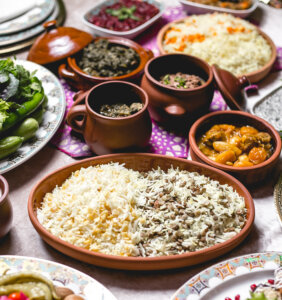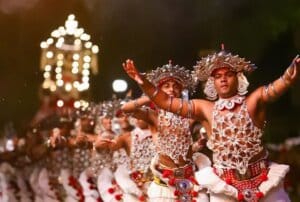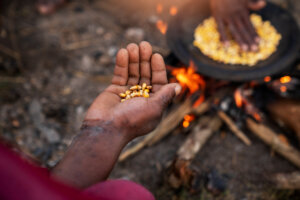
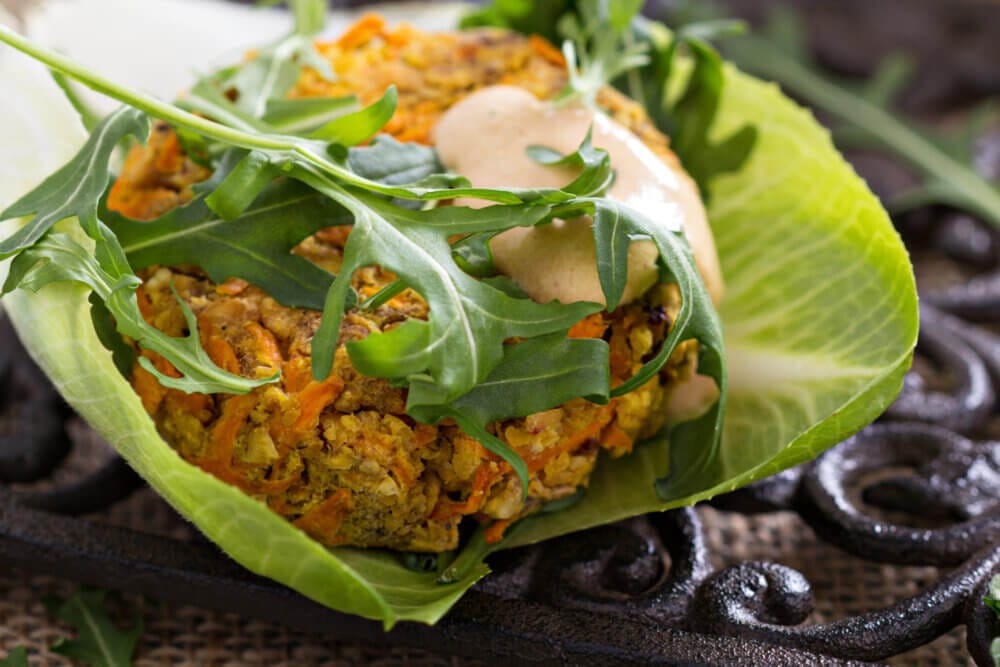
At dawn, Galle smells of the sea and cinnamon. In Kandy, mist slips between jackfruit trees while kettles whistle and temple drums stir the air. Far north in Jaffna, palmyrah shadows stripe the roads, and carts rattle toward markets stacked with chillies bright as flags. These are not tourist brochures come to life. They are the rhythms of kitchens and street corners that have fed generations. Follow the hidden food trails in Galle, Kandy, and Jaffna, and you step into a living conversation—between oceans and highlands, faith and festival, spice and memory. I grew up tasting these conversations. I still hear the sizzle of isso vade by the ramparts, the soft scrape of a stone grinder in a Kandyan courtyard, and the deep, peppery breath of Jaffna crab curry that announces dinner long before the pot meets the table.
Every bite on these trails carries a story. Some begin in family courtyards. Others begin on docks, in temple kitchens, or at roadside stalls where laughter pours as freely as tea. Walk with me, and I will show you where flavor meets belonging, and how each region serves its heart on a plate.
The Story of Hidden Food Trails in Galle, Kandy & Jaffna
Food in Sri Lanka does not stand alone; it travels with history and people. In Galle, tides brought traders and recipes. The Dutch laid stones at the Fort, yet the cinnamon groves spoke an older language, and fisherfolk seasoned it with salt and sun. Kandy held its own secret storehouses of flavors, protected by hills and rituals. Grandmothers folded sweets for New Year while monks stirred herbal porridge at dawn. In Jaffna, spice roads braided with palmyrah paths. Families safeguarded recipes through war and peace, passing them by hand rather than by book.
These trails do not shout. They murmur from alleyways and markets. The best meals arrive by invitation or chance, and they taste of generosity as much as ginger and garlic. When you step off the main road, you meet the people who keep the country’s soul simmering.
Ingredients or Key Elements — essential components or cultural building blocks
Galle: Salt, Sour, and Cinnamon
Galle’s plates recall the harbor’s constant exchange. The coast favors bold flavors that balance sea-fresh oils with puckering sunlight.
- Line-caught tuna and mackerel, perfect for sour fish curries that travel well and last long.
- Goraka (Malabar tamarind), dark and tangy, that stains the pot and steadies the sea’s rich taste.
- Cinnamon, clove, and black pepper—spice whispers that became a chorus in colonial days.
- Coconut in every form: milk, oil, sambol, and roti pressed by hand.
Kandy: Greens, Grain, and Ritual
Kandy binds nourishment to ceremony. The hills prize balance and calm, so the flavors lean toward earthy and comforting.
- Rice in many moods: red parboiled, fragrant white, and the soft grains that cradle curries.
- Kola kenda greens—gotukola, mukunuwenna, and ranawara—pounded into breakfast porridge.
- Jackfruit at every stage, from young polos curry to creamy kos mallum.
- Festive sweets: kavum, kokis, and aluwa shaped for New Year and temple days.
Jaffna: Fire, Palmyrah, and Sea
Jaffna cooks with backbone. The spice blends carry roasted heat, and the palmyrah palms contribute starch, toddy, and jaggery, turning hardship into resourcefulness.
- Roasted chilli powder, fennel, and pepper that taste deep rather than merely hot.
- Palmyrah flour (odiyal), milk, and jaggery for thick soups and sweets.
- Crab, cuttlefish, and dry fish folded into gravies with curry leaves crackling in oil.
- String hoppers and dosai, soft lattices ready to soak up robust gravies.
Galle’s Sour Fish (Ambul Thiyal) and Rampart Snacks
At first light, the harbor auction claps to life. A vendor wraps tuna in newspaper, and you carry it home against your chest, still cold. In the kitchen, the mortar waits. Goraka softens in warm water, then meets garlic, pepper, and a lick of cinnamon. You grind until the paste looks like wet midnight. Fish cubes tumble into a clay pot. The paste follows, and coconut vinegar joins with a bright hiss. No coconut milk here. The flame stays low, and the pot thickens itself. When the gravy clings like lacquer and the edges char a little, you lift the lid. The perfume is black-pepper brave, and the sourness tightens your jaw in a happy warning.
By evening, you stand on Galle Fort’s ramparts. Oil snaps in a pan as a vendor spoons lentil batter onto a flat iron. He crowns each disc with a line of prawns and a handful of chopped green chilli. The isso vade turns orange-gold while the sea flings salt into the air. You accept one wrapped in newsprint, the heat testing your fingers, the first bite both crunch and sea-sweet.
Kandy’s Morning Kola Kenda and Festival Sweets
Before sunrise, a Kandyan kitchen hums. A handful of rice simmers. Greens, just washed, drip onto the cutting board. The grinding stone breathes a low rhythm as leaves surrender into a smooth paste, bright and grassy. You fold that paste into the pot with a pour of thin coconut milk. A pinch of salt, a moment’s patience, and the porridge steams a clean, herbal scent that feels like a blessing. You sip it from a metal cup while mist slides past the eaves, and your body warms from the inside out.
During New Year, oil sings from a blackened pan as coils of kokis bloom in hot shimmer. Fingers dusted in rice flour roll kavum dough around treacle so dark it gleams like polished wood. Laughter bounces off the courtyard wall. Each sweet carries a wish for the year: prosperity, health, and good company at the table.
Jaffna’s Odiyal Kool and Crab Curry
At noon, a Jaffna house gathers. Someone rinses odiyal flour; someone else toasts the spice blend until the kitchen smells roasted and fierce. A pot takes crab claws, chunks of fish, and slivers of jak seed. Tamarind slips in next. As the broth rolls, the odiyal slurry streams in, turning the liquid silky and thick. The steam rises like a spice fog, red-brown and speckled. You break a crab leg with your hands, and juices run with peppery heat that wakes every sense. On another day, dosai meet mutton curry, and the roasted chilli sings again, lower and longer, hugging the tongue rather than stinging it.
Symbolism or Local Meaning — cultural, emotional, or spiritual significance
Ambul thiyal respects the sea’s bounty and the need to make it last. The dish began as preservation and became poetry. It travels well, like fishermen’s stories, and families serve it when they want to honor good catch and careful hands.
Kola kenda holds patience and balance. People drink it before work or worship, believing that food should steady the mind. Festival sweets do more than satisfy sugar cravings. They mark time and bind households; everyone who helps stir the treacle or dip the kokis shares the luck.
Jaffna’s cuisine speaks of resilience. Palmyrah rises even after storms, and its gifts appear in kitchens that remember scarcity and celebrate abundance. A crab curry on a crowded table says, we endured, and we still welcome you. In all three places, food offers more than flavor. It offers belonging.
Where to Experience It — restaurants, villages, festivals, local venues
Galle
- Galle Fisheries Harbor morning auction: Watch the bargaining and choose tuna for a home-style ambul thiyal at a local cooking class.
- Ramparts near the Old Gate, Galle Fort: Evening isso vade carts set up with views of the sea and the lighthouse glow.
- Habaraduwa roadside curd stalls: Clay pots of buffalo curd with kithul treacle taste like coastal sunshine in a bowl.
- Dewmini Roti Shop, Unawatuna: Bite into pol roti with lunu miris while you listen to surfers trade stories.
Kandy
- Hela Bojun, Peradeniya: Women-run stalls serve kola kenda, hoppers, and sweets at fair prices with warm smiles.
- Kandy Central Market: Spice vendors let you inhale cardamom and cinnamon; ask for their favorite village recipes.
- Temple-side tea shops near the lake: Early mornings bring herbal porridges and quiet views before the city stirs.
- Aluth Avurudu season pop-up sweet stalls: In April, families sell kavum and kokis wrapped in banana leaf bundles.
Jaffna
- Gurunagar Fish Market: Arrive before the sun climbs and you will meet the ocean on every table.
- Nallur Kandaswamy Kovil area: Idiyappam, dosai, and milk tea stands fill the streets, especially during festival days.
- Mangos Vegetarian Restaurant: Order dosai with sambar and a side of coconut sambol to taste gentle, honest comfort.
- Family-run curry houses around Hospital Road: Ask for crab curry or odiyal kool; the cook will likely tell you a family story with the ladle.
- Rio Ice Cream, Jaffna town: Cool off with palmyrah-inspired flavors after a spice-bright lunch.
Tips for Travelers — etiquette, authenticity tips, do’s & don’ts
- Eat with your right hand when possible; wash before and after, and follow your host’s lead.
- Ask for heat levels; “a little spicy” still warms the lips. Request lime or curd to soften the fire if needed.
- Carry small change for markets and street food, and choose vendors who keep their stations clean and lively.
- Seek morning markets for the freshest seafood and greens; afternoons suit sweets and tea.
- Dress modestly near temples, remove shoes where required, and always ask before photographing people.
- Support women-led stalls like Hela Bojun and small family eateries; your purchase helps local communities thrive.
- Share dietary needs clearly. Many places happily prepare vegetarian, halal, or non-beef options when you ask.
- Reduce waste: bring a refillable bottle and a reusable bag; decline plastic cutlery when you eat on the move.
- Learn a few words—ayubowan, vanakkam, stuti, nandri. Respect opens doors faster than any guidebook.
Conclusion — reflective, sensory, and emotionally resonant
By the time you finish these hidden food trails in Galle, Kandy, and Jaffna, your clothes will hold traces of smoke and spice, and your heart will hold names and faces. You will remember the fisher who pressed a slice of lime into your palm, the grandmother who shushed the pot like a child, and the crab that tasted of tide and fire in equal measure. You will carry the hush of Kandy’s mornings and the crackle of Galle’s rampart nights, along with Jaffna’s fierce tenderness, where every spice speaks of survival.
Come hungry, and come curious. The island gives its best to people who listen. Follow the scent of cinnamon and curry leaves, accept the second helping, and let conversation stretch long after the plates empty. On these trails, food does not end at full. It ends at friendship, where stories linger like the last sweetness of treacle on your tongue.
Continue Reading
-
Sri Lankan Pickles & Chutneys: Tradition & Taste
On our island, jars tell stories. In the soft morning light, you might see them lined along a sill, glass…
-
Kandy Cultural Dance: History & Costumes
At dusk in Kandy, when the lake turns the color of old tea and oil lamps quiver in the breeze,…
-
Port City & Colombo Food Evolution
I grew up where the wind smells of salt and cardamom, between the stubborn waves of the Indian Ocean and…