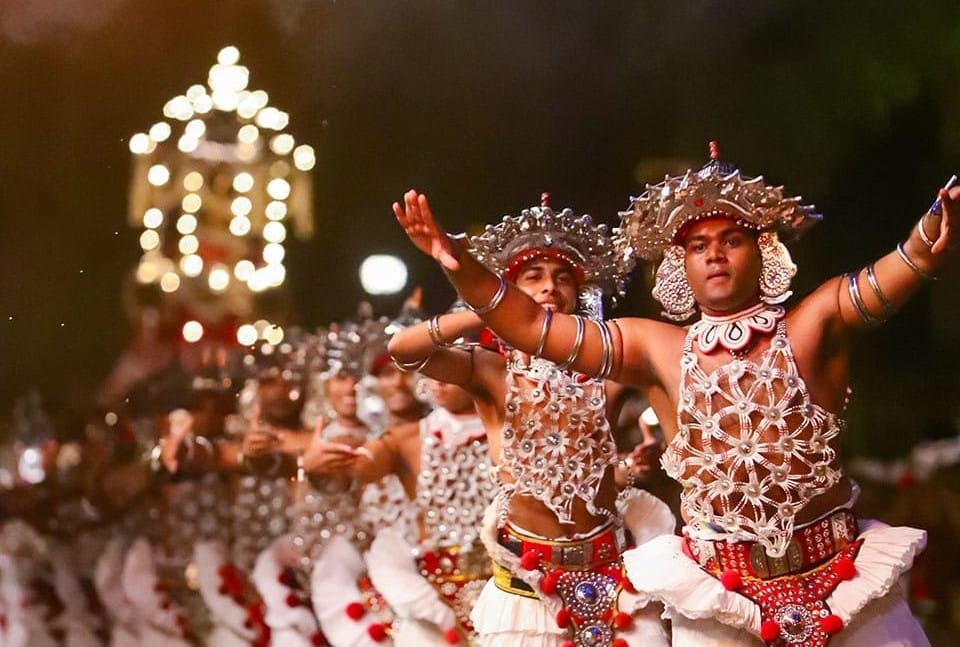
At dusk in Kandy, when the lake turns the color of old tea and oil lamps quiver in the breeze, the first drumbeat rolls across the hill city like thunder meeting a heartbeat. The air smells of jasmine, woodsmoke, and rain ready to fall. A dancer steps onto the floor, silver catching the light, white pleats fanning with each breath. In that moment, Kandy Cultural Dance becomes more than a show. It becomes a living story stitched with rhythm, ritual, and pride.
I grew up with those rhythms in my bones. We counted time by the call of the geta bera drum and shaped our evenings around the way dancers stamped the ground to wake the earth. When visitors ask me about Kandy Cultural Dance: History & Costumes, I think of grandparents whispering legends, of teachers correcting a wrist angle with care, and of the way a whole community leans in when the horanewa reed pipe cries out. This dance carries the voice of the hills, fierce yet tender, ancient yet stubbornly alive.
The Story of Kandy Cultural Dance: History & Costumes
The story reaches back to the Kohomba Kankariya, a sacred healing ritual once performed in the villages of the up-country. We tell how a king fell ill, and how the dance, offered to the deity Kohomba, mended what doctors could not. That ritual breathed life into the movements, the drum languages, and the costumes we still treasure. Over time the court of the Kandyan kings embraced the form. Dancers refined steps for royal audiences, yet they kept the ritual heart beating strong.
Colonial years pressed hard on many traditions, but families guarded the dance in homes and temple courtyards. Gurunnanse—our master teachers—carried it through quiet years with discipline and devotion. They taught with stern eyes and kind hands, and they kept the promises made during the ves mangalaya, the sacred initiation into the costume. When you watch a dancer in full ves today, you see a centuries-long chain of care and courage.
Costumes evolved with the times, but they still whisper the old stories. Silver gleams like moonlight on water. Red cords coil like lifelines. White pleats speak of purity and fierce focus. Every thread has a memory attached to it.
Ingredients or Key Elements — essential components or cultural building blocks
Drums and breath
The geta bera leads, its deep skin tuned over a coal ember until it rings true. The thammattama twin drums chatter like gossiping cousins, and the davula keeps a strong spine under it all. Cymbals—thalampata—slice the air. The horanewa reed pipe lifts a high, thin cry that goes straight to the heart. Performers time breath to beat, so movement and rhythm speak one language.
Vannam: the song-poems of movement
We learn the eighteen vannam that shape the dance vocabulary. Each has a mood and a story. The Gajaga Vannama moves like an elephant’s pride. The Ukusa Vannama soars with the hawk. The Hanuma Vannama springs with monkey mischief and wit. Dancers do not only mimic. They embody character, courage, grace, and humor.
Costumes: the ves and its kin
The ves costume crowns the form. The headdress—ves tattuwa—arches like a silver sunrise. Beaded chest plates catch the lamp glow. Armlets hug strong forearms. Bells at the ankles chime each stamp and leap. A pleated white mul anduma wraps the hips and swirls like a sigh turned visible. Drummers wear bold bands of red and white, their sashes knotting like drumlines made cloth. Today, performers of all genders dance with respect for tradition. Some women wear the Kandyan sari (osariya), while others don adapted ves styles with equal grace and authority.
Hands, eyes, and spine
Our dance speaks through fingertips, through eyes that dart or soften, and through a spine that lifts like a temple spire. Stamps bless the floor, and leaps carve air into patterns. The body writes poetry the drums can read.
- Core instruments: geta bera, thammattama, davula, thalampata, horanewa
- Core vocabulary: eighteen vannam and their themes
- Core attire: ves headdress, beaded chest plates, pleated white cloth, anklet bells
- Core values: discipline, devotion, lineage, and service to community
Preparation or Practice — vivid step-by-step feel, sensory process
Training often begins young. Feet learn to stamp on cool floors that smell of coconut oil and fresh lime. The teacher claps a pattern, and the room answers with breath and sweat. Knees bend. Backs lengthen. Shoulders soften, then sharpen. Day after day, the body learns to hold stillness like a cup and then spill it in a sudden, bright spin.
Before a show, drummers warm skins over a tiny brazier, turning each drum until it sings the right note. Beeswax kisses the edge. Fingers flirt with the rim, testing. In a corner, the horanewa player wets the reed. A single test tone slides up the wall like incense.
Dressing the dancer is a ritual of touch and trust. Skin cool from sandalwood paste. The white cloth wraps, then pleats, neat as a prayer. Red cords cross the chest; silver plates settle with a soft clink. Armlets slide on. Bells tie snug at the ankle bones. Finally, the ves headdress. The teacher holds it as if it breathes. He lowers it, and the room feels smaller, holier. No one speaks for a heartbeat. The dancer bows, and the vow—never to place the ves on the ground, never to betray the craft—hums in the chest like a second pulse.
Backstage, palms rub together. Drums call. The floor, dusted by many soles, feels warm. You taste metal in the air from the cymbals and a faint sweetness from flowers tucked behind ears. Then the curtain parts, and the body remembers everything the elders taught.
Symbolism or Local Meaning – cultural, emotional, or spiritual significance
Kandyan dance serves gods, people, and place. In the Esala season, performers honor the Sacred Tooth Relic of the Buddha, and the city becomes a river of light and movement. Dancers carry blessings through the streets. Drummers stitch the night together until dawn. Villages still call on dance to cleanse, to heal, and to celebrate life passages. Because of this living purpose, every step matters.
Each vannama holds a lesson. The elephant teaches majesty with responsibility. The hawk reminds us to see far and strike only when needed. The monkey celebrates play and wit, so we remember joy even in struggle. The ves itself stands for discipline, protection, and earned authority. When you see it shine, you witness a covenant kept across generations.
Where to Experience It – restaurants, villages, festivals, local venues
- Kandy Lake Club Cultural Show (near Kandy Lake): A polished evening program with tight ensembles, vivid costumes, and clear narration. Arrive early for good seats. Ticket prices often range from LKR 2,500 to 5,000, and schedules can change with the season.
- Kandyan Art Association & Cultural Centre (close to the Temple of the Tooth): Community-rooted performances that highlight classic vannam and drumming. You can also browse crafts made by local artisans who dress our dancers in silver and beadwork.
- Red Cross Hall and other city venues: Rotating cultural shows, school recitals, and visiting troupes. Ask at your guesthouse for the week’s listings, since word of mouth still works best here.
- Sri Dalada Maligawa and the Esala Perahera (July/August): The grand procession floods Kandy with tuskers, torchbearers, and lines of dancers and drummers. Seats and standing spots sell fast. Prices vary widely, so buy through trusted agents or directly from temples when possible.
- Village rehearsals around Kandy: With permission, you may watch an afternoon practice in a community hall. Go with a local guide who knows the teachers, and offer a respectful donation to support the school.
Tips for Travelers – etiquette, authenticity tips, do’s & don’ts
- Dress modestly, especially for shows near the Temple of the Tooth. Shoulders and knees covered show care for local customs.
- Avoid flash photography and ask before close-up shots. Performers protect their focus as they would a flame.
- Never touch a dancer’s head or the ves headdress. Do not step over drums or costumes, even backstage.
- Support community-run shows and artisan stalls connected to schools. Your ticket and purchase keep the lineage strong.
- Arrive early. Sit close enough to feel the drum in your chest while leaving room for elders, children, and anyone needing accessible seating.
- Carry small notes for temple donations, and keep plastic to a minimum. The city breathes easier when we tread lightly.
- Join a workshop if you can. Learning a basic stamp and hand pattern will change how you watch the dance forever.
- Confirm performance times and prices on the day. Festivals and weather sometimes reshape plans with little notice.
Conclusion – reflective, sensory, and emotionally resonant
By the time the last bell quiets and lamps burn low, Kandy feels soft as a drumskin after rain. The dancer bows. Silver dims to pewter. The room smells of sweat, sandalwood, and flowers, and nobody rushes to leave. We sit with the echo. We hold the taste of the night like cinnamon on the tongue—warm, bright, a little wild.
Kandy Cultural Dance carries our history with grace and grit. It makes room for new voices while honoring old vows. When you come, listen with your whole body. Let the geta bera set your pulse, and let the ves shine its careful light. In those beats and glints, you will meet not only our past, but also the hope we keep for the future—tied in red cords, wrapped in white pleats, and kept alive by hands that never stop learning.
Continue Reading
-
Sri Lankan Pickles & Chutneys: Tradition & Taste
On our island, jars tell stories. In the soft morning light, you might see them lined along a sill, glass…
-
Hidden Food Trails in Galle, Kandy & Jaffna
At dawn, Galle smells of the sea and cinnamon. In Kandy, mist slips between jackfruit trees while kettles whistle and…
-
Port City & Colombo Food Evolution
I grew up where the wind smells of salt and cardamom, between the stubborn waves of the Indian Ocean and…