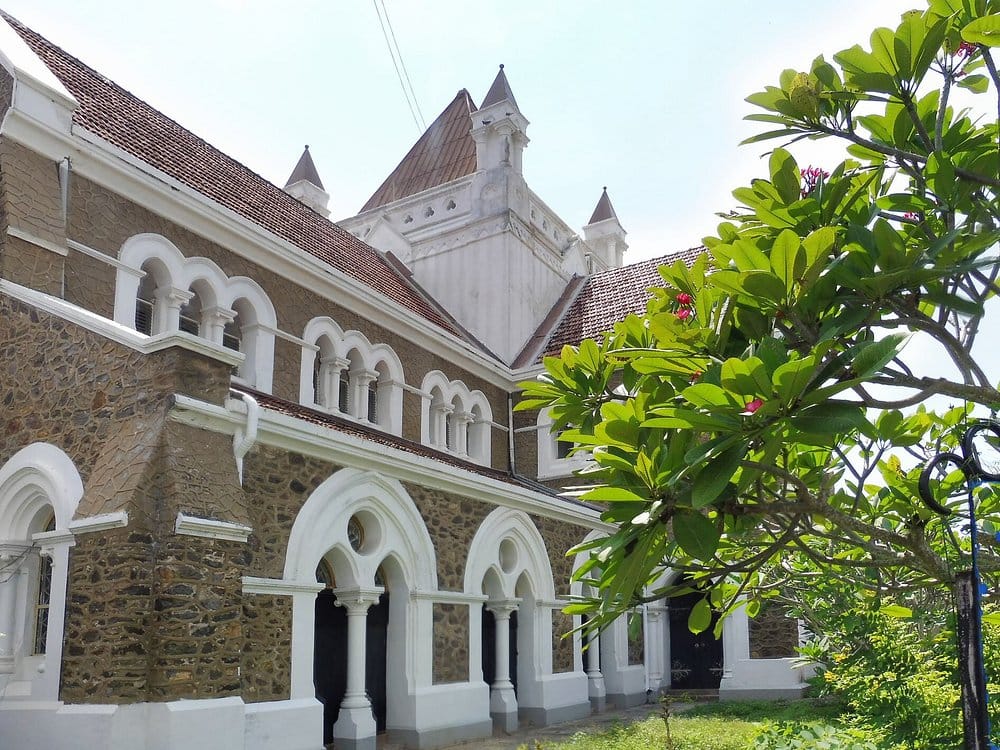
All Saints’ Church, Galle sits inside the storied ramparts of the UNESCO-listed Galle Fort on Sri Lanka’s south coast, where sea spray kisses granite bastions and lanes still hum with centuries of trade and faith. Tucked along Church Street, a quiet spine of the Fort, the church faces shaded courtyards, cinnamon-hued walls, and the clipped footsteps of schoolchildren who pass by after classes. You step through its gates and hear the world soften, as the rumble of tuk-tuks fades and the calm of polished wood and filtered light takes over.
The church is significant not only as a beacon of Anglican worship but also as a graceful chapter in Galle’s layered story. Dutch canals and British verandas frame it, while the Indian Ocean keeps steady time beyond the ramparts. Travelers come to see a handsome example of Gothic Revival architecture in the tropics, yet they often linger for the atmosphere: the scent of coconut oil and beeswax, the textured coolness of stone underfoot, and the hush that gathers under a timbered roof where sunbeams settle like soft gold dust.
Historical or Cultural Significance
All Saints’ Church opened during the British period of the 19th century, when Galle served as a prominent port and administrative center. The church rose on ground once used by the Dutch for civic duties, and its stones have witnessed successive chapters of island history. The design adapts Gothic ideals to a humid coastline, blending pointed arches and a cross-shaped plan with local materials and craftsmanship. It stands as a living archive of faith and community, where seafarers once knelt before voyages and families marked baptisms, weddings, and farewells.
Today the congregation represents both longtime residents and newcomers to the Fort, bringing together people from many walks of life. You will notice memorial plaques set into the walls, their inscriptions telling personal stories of devotion, service, and love. These tributes humanize the space, reminding visitors that grand architecture is only the frame; it is the people, past and present, who give the church a beating heart. On certain evenings, a simple hymn can lift through the nave and drift out to the lanes, folding the building back into the daily rhythm of the neighborhood.
How to Get There
Reaching All Saints’ Church feels like a small journey through Sri Lanka’s coastal soul. If you travel from Colombo by train, choose a window seat on the coastal line and watch palms flash by in green waves. The track skims beaches where fishermen mend nets and children chase kites, and the air grows saltier the farther south you go. When the train rolls into Galle’s station, the old platform announces itself with broad eaves and the gentle bustle of fruit sellers and porters.
From the station, a short tuk-tuk ride takes you to Galle Fort through the Old Gate, where a lion crest and VOC emblem hint at Dutch rule. As you cross the moat, the scene changes: ramparts loom, lanes narrow, and colonial villas reveal pastel shutters and terracotta roofs. Ask the driver to drop you near Church Street, then continue on foot; walking is the best way to feel the Fort’s mood, which slows a city’s pace to the tempo of island afternoons. If you prefer the highway, the Southern Expressway trims the drive from Colombo to two hours or less, and the last stretch winds past cricket grounds and market stalls heaped with pineapples and king coconuts.
Inside the Fort, the streets are friendly for strolling. You will hear the occasional bicycle bell and the ring of a distant school bell. Follow the shade of frangipani trees until a modest stone façade appears, its pointed windows and timber doors hinting at stillness. A caretaker may be sweeping; greet them with a smile and a simple “Ayubowan” or “Vanakkam,” and the threshold opens to a sanctuary of wood, glass, and grace.
What to See and Do
Admire the Architecture Up Close
Begin at the door and look up. The church’s pointed arches and ribbed ceiling echo Europe’s Gothic lines, yet they carry a distinct tropical lightness. Timber trusses feel grounded and warm, with a patina that tells of regular polishing and sea air. Step along the stone or tile floor and notice how cool it stays under the heat, a small kindness on sultry afternoons. The apse curves softly at the far end, drawing the eye toward a simple altar that sits in understated dignity.
Follow the Light Through Stained Glass
Move slowly when the sun is low, because that is when stained-glass colors paint the nave most beautifully. Reds and blues stream across pews and pillars like silk ribbons. In that shifting glow, you will catch motes of dust floating as if suspended in prayer. Pause to trace the images and patterns with your gaze. Some windows depict biblical scenes, while others favor floral and geometric motifs. Either way, the glass turns the church into a gallery of light, where every minute brings a new accent of color.
Read the Stories Etched in Stone and Brass
Along the walls, inscriptions and plaques record names, dates, and memories. They speak of sailors, civil servants, teachers, and loved ones who made homes and friendships in Galle. Take time to read a few lines. You will hear quiet echoes of lives intertwined with the harbor, the monsoon, and the Fort’s dwindling lanterns. These memorials foster a sense of connection, reminding us that community rests on care and remembrance, not just on architecture.
Listen for the Sound of the Nave
If you visit when a choir rehearses or a caretaker tests the harmonium, stay a moment and listen. The church carries sound gently but clearly. Notes rise, fold back, and settle under the roof in a way that makes music feel close to the skin. Even when empty, the nave holds a soft hush of footsteps and the quiet thud of a closing door, which together create a soothing rhythm for reflection.
Sit, Breathe, and Observe
Choose a pew and sit without rush. The wooden backs feel smooth from years of use, and the scent of polish mixes with the tang of the sea. Through a side door, a slice of blue sky might appear, fringed by mango leaves. You could hear a vendor outside calling out fresh curd and honey, or a guide explaining the Fort’s bastions in several languages at once. Within the church, everything narrows to breath and light, and a few minutes of stillness reset the rest of your day.
Best Time to Visit
Galle wears different moods with the seasons, and All Saints’ Church mirrors them beautifully. From December to March, mornings arrive clear and bright, with sunshine filtering through the windows in firm beams. Humidity feels kinder, and the Fort’s lanes come alive with families, photographers, and couples peeking into galleries. In these months, visit in the early morning or the late afternoon for the best light and the most comfortable temperatures.
Between May and September, the southwest monsoon can sweep rain across the peninsula. Showers tap on the roof, and puddles stipple the lanes outside. On such days, the church becomes one of the Fort’s coziest refuges. The sound of rain deepens its calm, and the scent of damp stone rises in the aisles. October and November can also bring bursts of rain, yet the breaks between showers gift soft light and quiet streets. Whenever you come, the golden hour before sunset adds a warm glow that turns brown timber to honey and glass to jeweled fire.
Practical Information
Entry to All Saints’ Church is typically free, though donations toward upkeep are appreciated. A small box near the door usually accepts contributions, which support restoration and maintenance projects. Dress modestly with shoulders covered, and remove hats inside to show respect for worship. Unlike in some Sri Lankan temples, you keep your shoes on in this church; quiet soles are helpful on echoing floors. Photography is welcome outside service times, yet flash can be disruptive, so switch it off and move gently around people who are praying.
Galle’s weather stays warm year-round, and humidity can be high. Carry water, and bring a light scarf or shawl for comfort in the draft of fans. The Fort’s streets involve uneven stones and the occasional step, and the church entrance may have a low threshold. If mobility is a concern, plan a measured pace and consider a tuk-tuk drop-off close to the door. Service hours vary, especially on Sundays and holidays, and schedules are sometimes posted at the entrance. You can also ask a caretaker or check with local guesthouses for the latest information.
Nearby Attractions
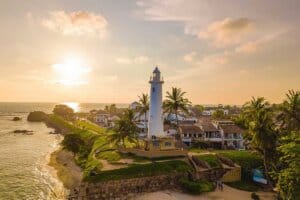
- Galle Lighthouse: A graceful white tower watching over a pocket beach and the curve of the ramparts at sunset.
- Dutch Reformed Church (Groote Kerk): Another historic house of worship with a distinctive pulpit and old tombstones laid into the floor.
- National Museum of Galle: A compact museum showcasing artifacts that trace the Fort’s maritime and cultural heritage.
- Maritime Archaeology Museum: Engaging exhibits on shipwrecks, trade routes, and the treasures of the southern coast.
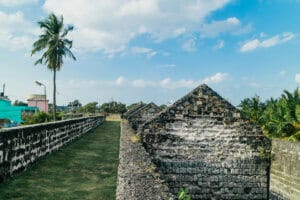
- Ramparts and Flag Rock Bastion: An open-air promenade where locals gather for sea breezes, cliff-jumpers perform, and waves thunder below.
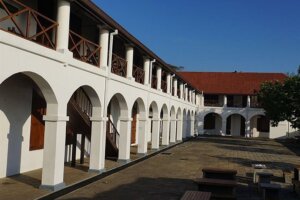
- Dutch Hospital Precinct: Restored colonnades now home to cafes and boutiques with breezy verandas.
- Peddler Street: A lively lane lined with design shops, gelato counters, and the aroma of strong Ceylon coffee.
- Meera Mosque: A serene mosque in pastel hues, reflecting the Fort’s diverse spiritual fabric.
- Old Gate and Clock Tower: Sturdy landmarks marking the Fort’s entrance and its enduring presence over the harbor.
- Sudharmalaya Temple: A small Buddhist temple whose white dome peeks above rooftops, inviting a quiet pause.
Travel Tips
Start your visit early to catch the church in its calmest light, when sunbeams draw crisp lines across the aisle. If your schedule allows, pair the visit with a late-afternoon walk to the lighthouse, and circle back for the glow of evening on Church Street. Speak with the caretaker if you can; many hold affectionate knowledge about the building’s quirks, from how the roof breather copes with monsoon gusts to which window blushes rosier at dusk.
Stay hydrated and wear breathable clothing that respects local customs, and keep a reusable water bottle to minimize plastic waste. Slip-resistant footwear helps on the Fort’s polished stones, especially after rain. If you photograph inside, move thoughtfully and give space to anyone in prayer or reflection. For those traveling with children, turn the visit into a gentle treasure hunt: count arches, spot the smallest stained-glass flower, or trace the patterns on a floor tile. Everyone can participate in quiet discovery without disturbing the serenity.
Accessibility varies inside the Fort, so ask your accommodation about the smoothest routes. Tuk-tuks can drop you close, and drivers usually know the church well. Finally, consider leaving a small donation if you enjoyed the visit. These funds help keep the roof tight, the pews polished, and the windows glowing for future travelers and the local community alike.
Conclusion
All Saints’ Church, Galle offers more than a snapshot of colonial architecture; it offers a space where the island’s coastal spirit pauses to breathe. Within its walls, the day’s heat eases, light moves with purpose, and the bustle of the Fort quiets to a gentle murmur. Step back outside and you will find the same cobbles, the same ocean, and the same tide of voices, yet something inside you will have shifted, tuned by the chords of wood, glass, and time.
Come for a few minutes or an hour, in sunshine or rain, with friends or alone. Let the church fold you into its stillness, then return you to the streets with a calmer stride. In a place where cultures meet and history opens like a fan, All Saints’ Church stands ready to welcome everyone who seeks a moment of beauty and belonging, held softly between the sea and the stone.