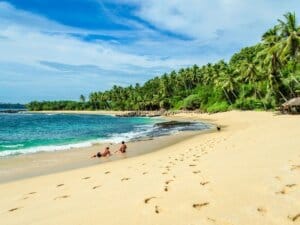
Just north of Galle Fort, where the ramparts drop toward the surf and fishing boats ride the swells, the Sea Turtle Hatchery Centre, Mahamodara welcomes visitors with salt on the breeze and the rustle of palms. It sits beside the Mahamodara canal and wetlands, a calm green corridor that filters into the sea. The setting feels intimate and lived-in. Coconut fronds cast dappled shade. Waves exhale beyond the fence. On hot mornings, tiny crabs scuttle over the sand like quick commas.
This modest centre has a large mission. It protects endangered sea turtles that nest along Sri Lanka’s southern shores. Staff rescue vulnerable eggs, shield hatchlings from predators, and nurse injured adults back to strength. For travelers, it offers an encounter that lingers long after you leave. You see life at its most fragile and resilient. You also meet the coastal community that guards it day and night.
Historical or Cultural Significance
Sea turtles have shared Sri Lanka’s shores for centuries. Fisher families along the southwest coast grew up with tales of green turtles surfacing like ghosts at dusk, and hawksbills gliding through reefs as if stitched to the water. Buddhist values of compassion thread through these stories. Elders speak about leaving eggs undisturbed and offering help to a creature in need. Traditions evolve, and so has this stretch of coast. During lean years, some people dug up nests to sell the eggs. Education, community outreach, and steady advocacy changed that habit.
The Sea Turtle Hatchery Centre, Mahamodara grew from that shift. After the 2004 tsunami, the area rebuilt with grit and grace. Local caretakers joined hands with volunteers and visitors. They turned experience into stewardship. Today, the centre works to protect five species that frequent Sri Lankan waters: green, olive ridley, hawksbill, loggerhead, and the elusive leatherback. Each shell tells a story. Scars mark propeller strikes. A mismatched flipper shows a brush with a net. The team gathers those stories and answers with care.
How to Get There
Reaching Mahamodara folds the journey into the experience. From Colombo, ride the coastal train to Galle. The track hugs the ocean so closely that spray sometimes kisses the windows. Red-tiled roofs flash by. Children wave from station platforms. At Galle, step into the sun, then hire a tuk-tuk for the quick ride north along the A2. In under fifteen minutes, you’ll hear the ocean again and see the hatchery sign through a lace of palms.
If you’re coming from Unawatuna or Koggala, flag a local bus toward Galle. Buses along this road run often and carry a soundtrack of chatter, temple bells, and old pop songs. The conductor will nudge you off near Mahamodara Junction. From there, walk a few shaded minutes to the centre. Cyclists can follow the canal-side lanes that branch from the main road. These back routes move at the pace of village life. You pass whitewashed shrines, laundry strung like bunting, and nets drying in the sun. Arrive unhurried, and the place greets you in kind.
What to See and Do
Take a Guided Walk Through the Nests
Staff begin most visits with a slow walk across the sand beds. Neat circles mark the nests, covered with mesh to deter predators and curious dogs. Each ring bears a hand-lettered tag with species, date, and expected hatch day. Sand warms your feet as you pause to listen. The caretaker explains how they relocate eggs at risk, then return hatchlings to the same stretch of sea. The method is simple, careful, and rooted in long practice.
Meet the Hatchlings Up Close
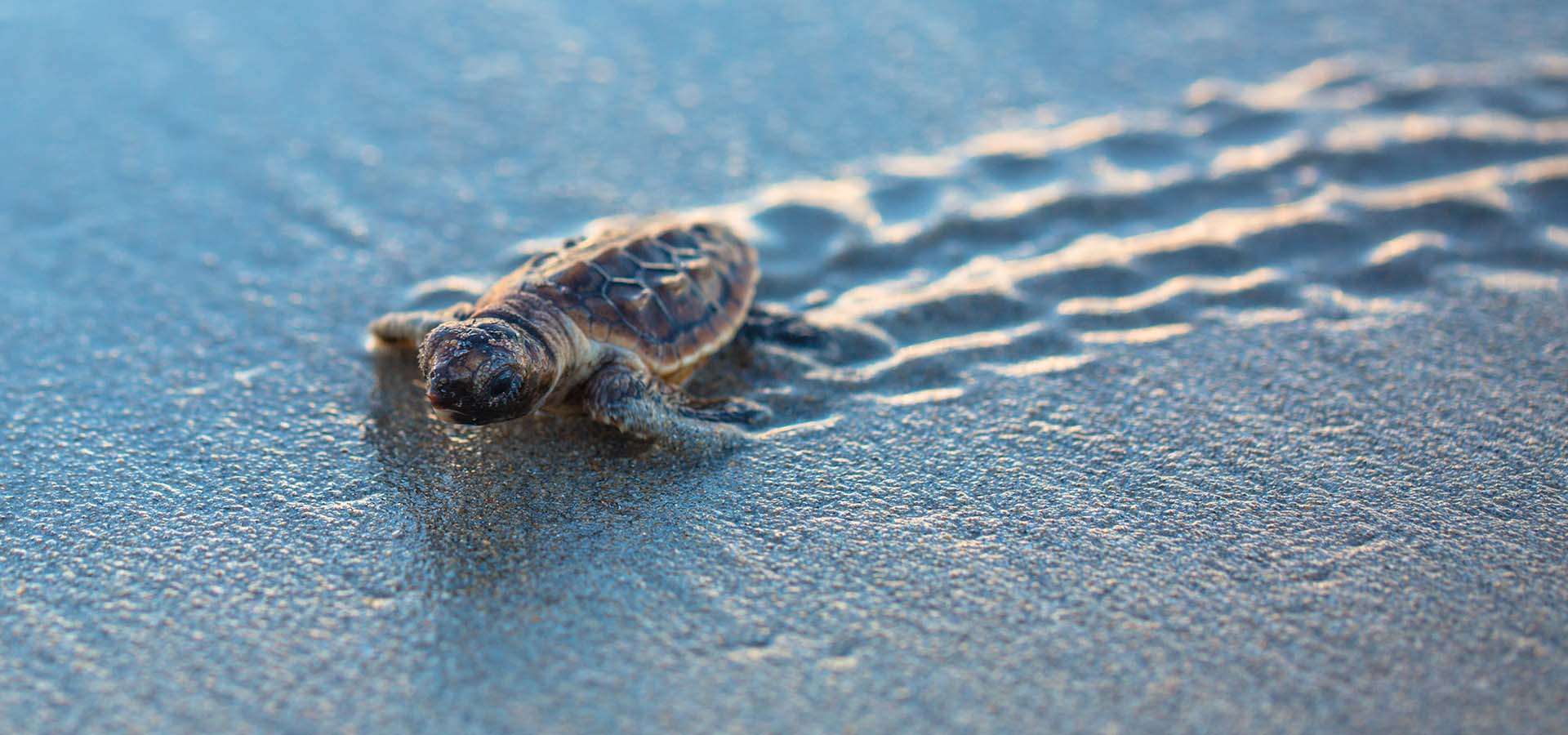
Shallow tanks hold the newest arrivals, their shells no larger than biscuits and flecked with pale edges. They flick their flippers like tiny oars. Water glints with the sky. You can watch them push and rest, then push again, already stubborn and bright. Staff describe how they minimize handling to reduce stress. When conditions align, releases take place at dusk. If you’re lucky and the timing fits, you may stand at the tide line and watch a line of hatchlings catch the first foam. The scene glows in memory, soft and electric all at once.
Visit the Rehabilitation Pools
Beyond the nursery, larger pools hold injured turtles under treatment. A hawksbill with a cracked carapace bobs for air, then drifts with slow poise. A green turtle with a missing flipper navigates in gentle arcs. Caretakers show the tools of their work. Salves and simple braces sit near sunlit basins. The mood stays calm and practical. You sense deep patience in every movement. Here, donations fund medicines, training, and outreach for safer fishing practices offshore.
Learn From the Caretakers
Conversations knit the visit together. Ask a question, and you’ll hear how tides changed this season, or how a storm shifted a nesting beach last week. Many staff grew up near these sands. They remember nights when eggs lay for sale in roadside stalls. They also remember the first time a school group came to help release hatchlings, and how the village watched with pride. Their stories add weight to the statistics. Conservation feels local, personal, and hopeful.
Pause for Photography and Quiet Moments
Photography works best with natural light. Mid-morning throws clean reflections onto the water. Late afternoon paints tanks and shells with honeyed tones. Skip flash, which can startle the animals. Instead, move slowly and frame the geometry of shells, the ripple of water, and the curve of palm shade. Step back, too. Stand still long enough, and the background sounds grow rich: a kingfisher’s sharp call, a muezzin’s gentle chorus, the sigh of the sea threading it all together.
Best Time to Visit
The southwest coast enjoys a dry season from November to April. Skies stretch blue, and seas turn glassy. That window brings calmer travel, golden sunsets, and frequent nesting by olive ridley and green turtles. May through September brings the southwest monsoon. Showers can sweep in fast, rinse the air, then pass. The hatchery stays active year-round, since different species stagger their peak nesting. Mornings feel cooler and quieter. Evenings glow with warm light and, when conditions permit, the chance to witness a release. Weekdays draw fewer crowds than weekends and school holidays.
Practical Information
Hours generally run from about 8:00 to 18:00, though schedules can shift with weather and turtle needs. Entry works on a ticket or donation basis. Expect a modest fee, with higher rates for foreign adults than for local visitors. Bring cash in Sri Lankan Rupees, since small centres may not accept cards. Your contribution supports feed, medicine, and community education.
Expect a modest conservation fee at the Sea Turtle Hatchery Centre Mahamodara, with different rates for international visitors and local residents. As a general guide, adult tickets for foreign visitors often fall in the LKR 1000–2000 range, with concessions for children and student groups. Most days the centre opens from mid-morning to late afternoon or early evening. Confirm current hours before you set out, especially if you plan to time your visit around dusk.
Southern Sri Lanka stays warm and humid. Daytime temperatures sit between 27 and 31 degrees Celsius. Dress light, carry water, and wear a hat. Flip-flops work, though sand can grow hot by midday. Sunscreen helps, yet choose reef-safe products to reduce chemical runoff. If rain moves in, it often clears fast. A compact poncho keeps you dry without fuss.
Etiquette follows common sense and care. Avoid flash photography and loud voices. Do not handle turtles unless staff invite you to assist, and wash your hands first if asked. Better yet, enjoy them with eyes and camera only. Keep tanks free of fingers and jewelry. If you join a release, switch off torches and let twilight guide the way. The site sits on packed sand with a few steps. Travelers using wheels or walking aids can still visit with support, though uneven ground may require patience and a steady arm.
English is widely spoken, though a greeting in Sinhala warms any conversation. Say “Ayubowan” with joined palms, and you’ll see faces brighten. Tap water is not recommended for drinking. Carry a refillable bottle and top up from filtered sources at your hotel. Tipping is optional but appreciated. Small notes go a long way and often circle back into turtle care.
Nearby Attractions
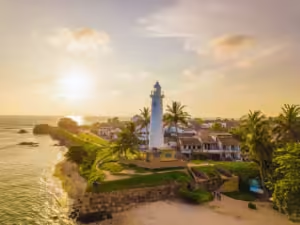
- Galle Fort: Stroll the ramparts, visit the lighthouse, and explore cafés tucked in Dutch-era streets.
- Mahamodara Lake and Wetlands: Take a quiet boat ride among mangroves and watch kingfishers flash like blue sparks.
- Unawatuna Beach: Swim in a lazy crescent of sand, then hunt for prawns and sambol at sunset shacks.
- Jungle Beach and Rumassala: Hike to a hidden cove and visit the gleaming Japanese Peace Pagoda above the headland.
- National Maritime Museum, Galle: Step into shipwreck lore and coastal history inside a restored Dutch warehouse.
- Hikkaduwa Coral Sanctuary: Snorkel above reefs when seas run calm, and watch for turtles grazing near shore.
- Martin Wickramasinghe Folk Museum, Koggala: Learn about village life, crafts, and the writer who loved this coast.
- Galle Fish Market: See the day’s catch arrive with shouts, salt spray, and the clatter of scales on steel.
Travel Tips
Choose conservation over spectacle. Seek centres, like the Sea Turtle Hatchery Centre, Mahamodara, that prioritize rehabilitation, community outreach, and ethical releases. Avoid any venue that lets crowds handle hatchlings for photos or claims guaranteed releases at fixed hours.
Skip souvenirs made from shells or coral. Hawksbill shells once fed a trade in tortoiseshell trinkets. Your refusal helps protect living animals and the reefs they call home. Instead, pick up handloom textiles, spices, or batik crafted in nearby workshops.
Move gently through the day. Negotiate tuk-tuk fares in advance or ask for the meter. Carry small notes for fares and snacks. If you plan to cycle, wear a hat, take the canal paths when possible, and keep an eye out for dogs napping in the shade.
Pack with the tropics in mind. Bring light cotton, a scarf for sudden sun, and a compact umbrella. Mosquito repellent proves helpful near wetlands at dawn and dusk. A reusable bottle, metal straw, and cloth bag keep your footprint soft.
Give time, not only money. A calm hour here teaches more than a rushed stop. Listen to the sea, ask a question, and let the place tell its story. You will leave with more than photos.
Conclusion
By the time you step back onto the road, the Sea Turtle Hatchery Centre, Mahamodara will have slowed your breath. You will carry the image of a hatchling testing its first wave, a fist-sized heart beating under a dark sky. You will remember a caretaker’s hands, nicked and sure, lifting a turtle with the ease born of daily care. Around you, the coast keeps moving. Buses hum past. Nets unfurl like script. The tide writes and rewrites its line in the sand.
Travel often revolves around grand sights. Here, wonder arrives small, determined, and alive. Visit with respect, linger with curiosity, and lend your voice to the quiet work underway on this shore. When you leave Mahamodara, you leave a little hope behind, and you carry a little with you, too.