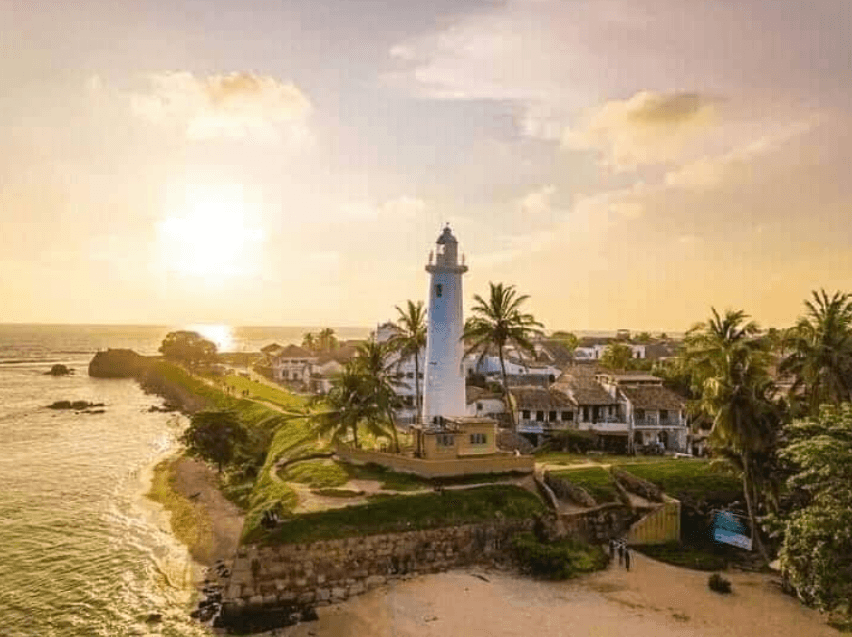
At the southern tip of the storied Galle Dutch Fort in Sri Lanka, Flag Rock Bastion stretches toward the Indian Ocean like a weathered shoulder of stone, braced against wind and wave. You find it past the pale lighthouse and palms, where the ramparts turn from a city’s rim into a balcony above the sea. Locals call this the place to end a day; travelers call it the place where the fort reveals its heart. The bastion is not just a viewpoint, though the views roll on to the horizon. It is a living stage, where fishermen study the swell, vendors fry spicy prawn fritters, and cliff jumpers measure each breath between waves before they leap. Every step on the old masonry connects you to centuries of seafaring, trade, and island life, and every gust of salt air rings with the sound of present-day Galle.
Flag Rock Bastion holds significance for its vantage and its mood. The sea throws a constant soundtrack—deep, rhythmic, and sometimes thunderous—while gulls stitch white arcs across the sky. On warm evenings the stone holds the day’s heat, and the light fades from gold to rose. Couples share quiet corners, families keep an eye on adventurous children, and solo wanderers lean into the breeze with a camera and a grin. This is where you come to feel the fort breathe.
Historical or Cultural Significance
The Portuguese first fortified Galle’s headland in 1588. Later, in 1640, the Dutch captured and rebuilt the defenses, carving a disciplined geometry of ramparts and bastions into the coast. Flag Rock Bastion rose over a cluster of treacherous rocks near the harbor mouth. Sailors depended on signals from here—bright flags by day, lamps by night—to avoid the reefs that lurked below the whitecaps. In an age before radar and GPS, a raised arm and a hurried flag could steer a ship to safety. Guns once stood here too, aimed seaward, but the bastion’s daily task involved guidance more than fire.
During the British period, the fort’s military role softened, yet Flag Rock Bastion remained a sentinel. When the original lighthouse at the neighboring Utrecht Bastion burned down in 1934 and a taller one rose in 1939, the bastion’s purpose shifted again from duty to delight. Today, it hosts cliff divers whose daring leaps have become part of Galle’s folklore, while elders reminisce on the ramparts about storms weathered and cricket matches won. This mix of maritime heritage and casual community life makes Flag Rock Bastion more than a relic. It is a touchpoint for memory, trade winds, and the human need to gather at a horizon.
How to Get There
From Colombo, the journey south traces the sea. The train rattles out of the capital and hugs the coast, windows open to salt spray and glimpses of fishermen hauling nets in the morning light. As you near Galle, coconut groves lean toward the tracks, and the roofs of the old city begin to appear. Step off at Galle Railway Station and walk or hire a tuk-tuk; the fort stands less than two kilometers away. If you drive via the Southern Expressway (E01), exit at Galle and follow signs to the fort’s Main Gate near the clock tower. The city buses also hustle down the expressway, their horns part of the coastal chorus.
Inside Galle Fort, time slows. Streets carry names like Lighthouse Street and Church Street, with sandstone walls cast in warm shades of ochre. You stroll south from the lighthouse, the path clinging to the edge of the fort. The sea grows louder. Vendors fan charcoal braziers, and the scent of curry leaves mingles with seawater and lime. The pathway widens at Flag Rock Bastion, and the fort falls away on three sides to rock and foam. You will know you have arrived when you see the ocean unfurl into a full, dazzling semicircle, and a small crowd faces it as if to greet an old friend.
What to See and Do
Watch the Sunset Unfurl
Most people come for sunset, and with good reason. The sky over Flag Rock Bastion performs grand theatre. Clouds stretch thin like silk, then glow in apricot and magenta as the sun drops into the sea. Light pours across the ramparts, so even the old stones seem to blush. Find a spot on the low wall, set your feet steady on the uneven surface, and feel the breeze tug at your shirt. When the sun brushes the waterline, the crowd grows hushed. You hear only the waves and a child’s gasp when a pelican skims the surface for a last snack of the day.
Cheer the Cliff Divers (But Don’t Join Them)
Local divers stand bare-chested on the rock ledges below and measure the rhythm of the swell. They time their leaps between spikes of surf, cut clean into the foam, and reappear with wide grins. Their performance takes skill and courage, and they often welcome cheers and a respectful tip. Keep a safe distance from the edge, as the stone can feel slick. Enjoy the show and the surge of adrenaline from solid ground, and resist any urge to try it yourself.
Snack Like a Local
When evening comes, snack sellers appear with steel trays. Try isso wade—crisp lentil fritters topped with prawns—served warm with a dab of bright green chili. Order a bag of achcharu, tangy slices of mango mingled with salt, chili, and a touch of sugar. Sip a king coconut through a straw while your fingers carry traces of spice. The vendors are friendly, and they appreciate a smile and a fair price. Ask for “less chili” if you prefer a gentler kick. Share if you can, and mind the crows, who wait for any chance to steal a bite.
Frame the Lighthouse and Palms
Photographers love Flag Rock Bastion for its angles. Turn back toward the fort to frame the Galle Lighthouse rising from the Utrecht Bastion, its white column stark against blue sky and green palms. Face south to capture the ocean grinding against the reefs. The golden hour lights every surface with kindness. If you shoot portraits, watch for moments between gestures: a vendor’s laugh, a child’s hop across a crack in the rampart, a diver’s hands clasped for focus.
Walk the Ramparts After Dusk
When the sun sets, most people drift toward the cafés of Church Street and the Old Dutch Hospital. Stay a few minutes longer. The lighthouse begins its slow, steady sweep. Stars wink into life one by one. The fort’s hum softens, and the surf grows louder. You walk back under lamps that bathe the coral-stone walls in amber. The air carries clove smoke from a street-side grill and the faint music of a busker’s guitar. It feels like stepping through history into a warm, contemporary night.
Best Time to Visit
December to April brings calmer seas and clear skies, so sunsets show up with confidence. Dry air sharpens the horizon line, and the late afternoon breeze arrives like a gift. The southwest monsoon from May to September adds drama, with rolling swells and cloudbanks that shape moody photographs. Inter-monsoon months, especially October and November, can surprise you with sudden, heavy showers followed by brilliant light. Visit at sunrise if you love quiet. The bastion sits in soft pastel, and you can claim the whole ledge for yourself and your coffee. For the classic experience, arrive an hour before sunset, settle in, and let the scene build around you.
Practical Information
Entry to Galle Fort and Flag Rock Bastion is free. There are no turnstiles, and the ramparts welcome you at any hour. That said, visit during daylight or early evening for safety and views. Wear flat shoes with good grip, because the old masonry has dips and polished patches. The sun bites at midday, so bring water, sunscreen, and a hat. Keep an eye on children, and avoid sitting or standing on narrow ledges, especially when the sea runs high.
Galle sits in a tropical climate. Expect warm temperatures year-round, with average daytime highs around 30°C. Carry a light rain jacket in the monsoon and a shawl for the evening breeze. Drones require permits in Sri Lanka; check current regulations before you fly. Dress respectfully when you step off the ramparts into town, as mosques and temples sit close to cafés and boutiques. Asking before you photograph people shows care. A simple “OK to photo?” works across languages when paired with a smile and a nod. Tipping performers is customary, while bargaining with snack sellers can stay gentle and friendly.
Accessibility varies. The fort’s streets are mostly level, and the approach to the lighthouse is manageable for many visitors. The bastion itself has uneven stones and steps, which may limit access for wheelchairs and strollers. You can still enjoy sweeping views from the road-level promenade near the lighthouse if the rampart surface feels challenging. Everyone can share the breeze and the light.
Nearby Attractions
- Galle Lighthouse – A graceful white tower on Utrecht Bastion, perfect for photos in the soft morning light.
- Meeran Jumma Mosque – An elegant, whitewashed mosque near the ramparts with curving lines and a peaceful courtyard.
- Groote Kerk (Dutch Reformed Church) – A cool, echoing sanctuary with carved wooden pews and a storied organ.
- Old Dutch Hospital – A restored heritage complex filled with cafés, gelato shops, and design boutiques facing the sea.
- Galle National Maritime Museum – Exhibits on shipwrecks and trade routes that once drew the world to this harbor.
- Rampart Street – A leisurely walk past colonial facades, antique stores, and friendly resident cats sunning themselves.
- Unawatuna Beach – A short tuk-tuk ride to a sandy bay with calm waters, sunbeds, and simple seafood shacks.
- Jungle Beach & Japanese Peace Pagoda – Quiet coves and a hillside stupa that glows at sunset across the bay.
Travel Tips
Arrive early for sunset to claim a comfortable spot and to explore the ledges safely in full light. Stay hydrated, and buy water or a fresh king coconut from local sellers rather than single-use plastic bottles when possible. Keep valuables secure and your camera strap around your wrist in the breeze. The sea throws occasional rogue splashes up the rocks, so watch your footing and protect electronics. If a diver performs, a small tip in local currency feels right; agree on any photo or video fee before you film.
For photographers, use a wide-angle lens to pull in the lighthouse and the sea, and switch to a fast prime for people and detail shots. Bring a soft cloth to wipe sea mist from your lens. If you visit with children, set a personal “no-go” line away from the edge, and let them join the snack hunt as a safer thrill. Tuk-tuks can drop you near the lighthouse, and you can stroll the last few minutes to the bastion. Cash comes in handy for snacks and tips, while most cafés in the fort accept cards. Pack your patience during school holidays, when the fort fills with families enjoying the breeze as much as you will.
Conclusion
Flag Rock Bastion rewards anyone who takes a few steps beyond the obvious. It offers a seat at the world’s edge and a conversation with the wind. Here, history stands under open sky, softened by laughter, spice, and sea spray. You look out over the Indian Ocean and feel something settle—the slow rhythm of a coast that has welcomed sailors, merchants, writers, and daydreamers for centuries. Come for the views at golden hour, stay for the people and the stories, and leave with salt on your lips and a promise to return. Galle Dutch Fort holds many treasures, but this rocky outcrop at its southern tip may be the one you carry home in your heart.