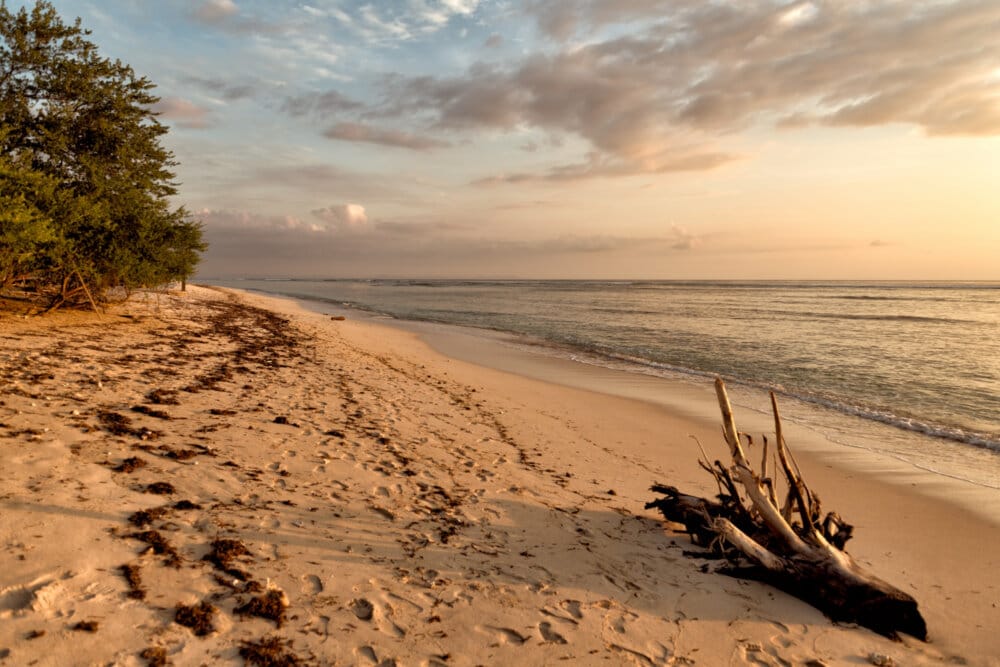
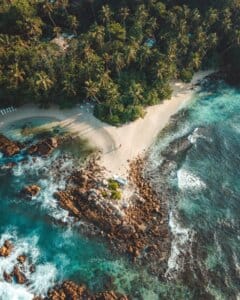
Boossa Beach rests on Sri Lanka’s sunlit southern coast, a few kilometers north of Galle and a shade south of Hikkaduwa. The sand stretches in a honey-gold arc, with slender coconut palms leaning toward the Indian Ocean as if eavesdropping on its stories. Trains blink past on the century-old coastal line, and the A2 road threads behind a scatter of homes, shops, and tiny eateries that scent the air with cinnamon and frying onions. This is a place that locals love for its quiet rhythm, and travelers embrace for a rare blend of authenticity and ease.
Unlike the famous beaches that fill with sunbeds and selfie sticks by noon, Boossa Beach keeps its edges uncluttered. You can walk for minutes and hear only the hush of the tide, the tapping of a fisherman’s knife cleaning his morning catch, and the low chatter of families who gather under casuarina shade. The beach feels intimate without being small, open without losing its sense of welcome. It offers soft mornings, bold sunsets, and that simple coastal luxury: time that moves with the waves, not your watch.
Its significance lies in this subtlety. Boossa doesn’t try to impress with spectacle; it invites you into everyday coastal life. You watch schoolchildren hop off the train and cut across the sand, barefoot for the last stretch home. You sip a king coconut from a cart that wasn’t set up for tourists but for neighbors. And yet, when you lift your eyes, you see a horizon so wide and blue that it loosens every knot you carried with you.
Historical or Cultural Significance
Boossa sits within a coastline shaped by centuries of trade and the soft power of spice. Cinnamon, once more valuable than silver, drew Arab merchants and later the Portuguese, Dutch, and British. You sense those layers in nearby Galle Fort’s ramparts, but also in small ways on this beach: in the light wooden boats pulled ashore at dawn, in the coconut toddy tapped by wires strung between palms, and in the cheerful banter of fishers who measure the sea by winds, swell, and memory.
The railway that hums behind the dunes changed life here. It stitched villages to markets and schools, carrying ideas and flavors down the coast. Even today, the train is more than transport; it is a lifeline and a daily theater. People lean from open doors, vendors pass vadai and peanuts down the carriage, and an entire shoreline seems to nod as the blue carriages glide past. Boossa Beach shares in that humble, enduring rhythm—attentive to weather, tuned to the tides, and grounded in community.
On temple days you may see saffron robes and white-clad devotees crossing the road with flowers cupped in both hands. Colorful flags snap in the monsoon breeze. Respect sits at the heart of coastal life here—respect for elders, for the sea’s moods, and for neighbors whose livelihoods depend on both. As a traveler, you step into that current, and it carries you forward with gentle guidance.
How to Get There
The sweetest way to arrive is by train. From Colombo Fort, the coastal line heads south with the sea often right at your elbow. Salt stings the air, and you see fishing skiffs, laundry flapping in wind, and fields sloping toward mangroves. As the train pulls into Boossa’s small station, the world slows. A tuk-tuk waits by the gate, and you roll the last minute or two to the sand, a warm breeze brushing your cheeks.
By road, the A2 offers its own stories. Buses roar with pop music and laughter, stopping often to pick up commuters balancing baskets of greens or bunches of red bananas. If you hire a car or tuk-tuk, you can pause whenever something catches your eye—a coconut cart, a stall selling watalappan, a family drying fish on woven mats. From Galle, it’s a short, scenic hop; from Hikkaduwa, another easy drift along palms and paddy fields.
Either way, the arrival feels immediate. You hear the surf before you see it, then the beach opens in front of you like a long exhale. Locals point you to a shaded patch, and the day stretches out with unhurried promise.
What to See and Do
Swim, Surf, and Let the Sea Reset You
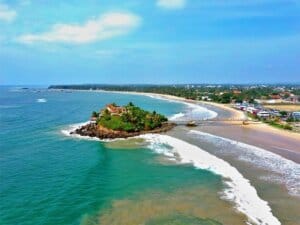
Boossa Beach can feel playful in the morning, with gentler swell near sandy pockets and rock-reef corners where calm pools form at low tide. Step ankle-deep first, test the push and pull, and keep an eye out for changing currents. Confident swimmers and bodyboarders often find fun sections between November and April, when the sea settles and sandbars line up. On some days, a local surfer paddles into a clean right-hander at the point, carving a line that looks drawn by a calligrapher’s pen.
If you prefer to keep it mellow, wade where the water gleams clear in the early light. Schools of tiny silver fish flash past your knees. Sand crabs scuttle like quick commas at your feet. When you drift on your back, the sky seems close enough to touch.
Walk the Shore at Dawn and Dusk
Morning paints the beach in hush and pearl. Fishers tug their nets in unison, calling to each other in lilting Sinhala, and the first train rattles by with a handful of commuters. You walk toward Gintota, where the Gin Ganga meets the sea, watching kingfishers dart low and blue. By evening, the scene fades to bronze. Couples settle on the sand, a game of cricket blooms near the dunes, and the sun finally slips into the ocean like a coin into a well.
Eat Like You Mean It
Boossa’s food scene is small but heartfelt. Family-run cafés fry crisp hoppers, crack eggs into their bowls, and slide them to you with coconut sambol fragrant with lime and chili. A beach shack grills the day’s catch—tuna, seer fish, or cuttlefish—and the smoke carries pepper and wood into the salty air. Try kottu roti chopped on a hotplate to a staccato rhythm that mirrors the surf. If you’re curious, ask about a simple cooking lesson; many guesthouses love sharing recipes that use pandan leaf, curry leaves, and coconut milk in perfect balance.
Join the Community, Gently
Boossa thrives on participation, not performance. If a pickup cricket game forms, you might get waved in to field a few balls. Bring a frisbee and you’ve made instant friends. Buy your coconuts from the same vendor for a few days, and you’ll trade names and jokes. Always ask before taking someone’s photo, and your courtesy will be repaid with smiles and stories that last longer than any snapshot.
Birds, Boats, and the River’s Edge
When you want a different mood, head to the Gin Ganga estuary near Gintota. The river braids into the sea through sandbars and mangroves, where herons stalk and brahminy kites circle on warm air. At sunset, the water turns to copper and the village quiet deepens. It’s a simple place to sit and watch the light change, then walk back along the beach as the lamps flicker on in roadside homes.
Best Time to Visit
From November to April, the southwest coast often shows its friendliest face. The sea tends to calm, the evenings glow with long, dramatic sunsets, and the breeze carries spice instead of storm. Boossa Beach hums at a sociable pitch—busy enough to feel lively, quiet enough to keep your thoughts intact. Early mornings and late afternoons shine; midday begs for shade and a tall glass of lime soda with salt.
May to September brings the southwest monsoon, which can roughen the sea and add drama to the sky. Rain comes in bursts, then drifts away, leaving everything washed and vivid. If you like moody clouds, fewer people, and the luxury of slow days with a book, you’ll still find your rhythm. Just treat the ocean with extra respect, and lean into long beach walks, local meals, and quick excursions when the sun breaks through.
Practical Information
Entry is delightfully free. Boossa Beach remains public and open, with no turnstiles or tickets. You may pay a small fee if you park by a private lot, but most visitors arrive by train, tuk-tuk, or bus. Cash is useful for coconuts, snacks, and small cafés; ATMs sit in Galle and Hikkaduwa. The Sri Lankan Rupee rules the day, and vendors appreciate small notes for easy change.
Weather stays warm year-round. Carry light clothing, a hat, and reef-safe sunscreen. Sand gets hot at noon, so plan your swims earlier or later. Fresh water showers are rare directly on the beach, though many guesthouses nearby offer a quick rinse for patrons. Wi-Fi appears in most accommodations, yet the shoreline itself still prefers real conversations to notifications.
Etiquette is simple and kind. Swimwear on the beach is fine, but cover shoulders and knees when you step into villages, temples, or local transport. Ask before photographing people. Learn a few words—“ayubowan” for hello, “istuti” for thank you—and watch doors open. Tipping in small cafés isn’t expected but appreciated; round up bills or leave around 10% in restaurants with table service.
Safety starts with the sea. Currents change with weather and tide, and lifeguards may not patrol this stretch daily. Swim where others swim, stay close to shore, and avoid night swims. Keep valuables tucked away in accommodations, and bring only what you need to the sand. Stray dogs nap in the shade and usually ignore everyone; give them space and they’ll return the favor.
Nearby Attractions
- Galle Fort: A short ride south to a UNESCO-listed enclave of ramparts, cafés, galleries, and sunset walks along storied walls.
- Hikkaduwa Marine Sanctuary: Snorkel above coral gardens and meet curious fish, with calm mornings best for visibility.
- Japanese Peace Pagoda, Rumassala: A gleaming white stupa above the forested headland near Unawatuna, offering sweeping ocean views.
- Unawatuna Beach: A crescent of sand with gentle shallows, lively cafés, and a relaxed, social vibe.
- Gin Ganga Estuary, Gintota: Birdlife, sandbars, and quiet riverbank scenes just up the beach from Boossa.
- Ambalangoda Mask Workshops: Learn about traditional mask carving and Sri Lankan dance heritage in this artisan town to the north.
- Meetiyagoda Moonstone Mines: Peek into a small-scale gem industry and see how moonstones are found and polished.
- Seenigama Devalaya: A seaside temple near Hikkaduwa with local lore, sea breezes, and a serene coastal setting.
Travel Tips
Plan your day around the light. Swim or surf at first light when the water often sits cleaner and the wind stays gentle. Save explorations and café hopping for mid-morning, then return for the evening show when the horizon turns molten and people gather to applaud the sun.
Carry small eco-essentials: a refillable water bottle, a light sarong for shade or modesty, and a dry bag for your phone. Choose reef-safe sunscreen and skip plastic straws. Your choices ripple outward in these delicate coastal ecosystems.
Use the train for charm and tuk-tuks for agility. The short hop to Galle or Hikkaduwa becomes a micro-adventure by rail, while a tuk-tuk lets you stop for photographs, fruit, and that irresistible roadside hopper stand. Confirm prices before you ride, smile often, and the journey glides.
If you want lessons—surfing, cooking, or even a few Sinhala phrases—ask your guesthouse host. Local knowledge beats any app, and your fees support families who keep this coast gracious and resilient. You’ll leave with stories that don’t fit in a caption.
Conclusion
Boossa Beach rewards attention, not haste. It is the hush between famous names on the map, the place where the southern coast lets you slow down and belong for a while. The ocean speaks in a steady voice here, and the community answers with generosity, from the coconut seller who remembers your favorite to the fisher who shows you how the swell reveals tomorrow’s weather.
Come for a day and you may stay for a week. You’ll watch light change on the water, learn the cadence of trains, and taste cinnamon carried on the breeze at dusk. When you finally leave, the sand shakes from your shoes, but Boossa’s unhurried spirit stays. It reminds you that travel can be simple, deeply human, and beautifully blue at the edge of the sea.