Madu Ganga, also called Madu River, meanders through Sri Lanka’s southwest coast near Balapitiya, just north of Ambalangoda and a short drive from Bentota. About 80 kilometers south of Colombo, this broad, brackish estuary spills into the Indian Ocean after winding past more than sixty small islets, mangrove thickets, and cinnamon-scented villages. The river’s wide, tea-brown water mirrors palms and sky, while roots twist like fingers into the shallows. You step onto a jetty and the first thing you hear is the hum of a small outboard, the chatter of kingfishers, and the wet slap of water against a wooden hull.
This estuarine labyrinth carries deep ecological weight. As a Ramsar-listed wetland, Madu Ganga shelters mangrove ecosystems that buffer storms, filter water, and cradle juvenile fish. Herons and egrets feed in the shallows, cormorants dry wings on deadwood, and Brahminy kites wheel overhead in the onshore breeze. Yet the river also reads like a living diary of coastal life. Families harvest cinnamon on tiny islands, fishers set prawn traps under starlight, and temple bells sometimes drift across the water at dawn. It is both sanctuary and street, quiet and busy, layered and alive.
Historical or Cultural Significance
Centuries before highways linked Colombo to Galle, the waterways shaped the rhythm of life here. Cinnamon, once the island’s globally coveted spice, still grows on islets where families peel quills with practiced hands and stain their fingers a warm tan. You may watch a peeler draw a knife along the bark with elegant precision, then curl strips into fragrant rolls. That skill passed down through generations, and the river kept that knowledge intact, even as Portuguese, Dutch, and British ships patrolled the coast.
The most storied island, Kothduwa, holds a tranquil Buddhist temple shaded by bodhi leaves. Locals tell a legend that guardians once sheltered the Sacred Tooth Relic here to keep it safe during turbulent times. Whether rumor or truth, the island’s lotus ponds, white stupas, and quiet verandas invite a soft step and a slower breath. Pilgrims glide in at sunrise with offerings; visitors follow respectfully, heads bowed as bells ring and incense threads through the air. On other islets, small shrines overlook prawn stakes, and names mix Sinhala cadence with the tang of the sea. Culture, here, feels intertwined with water, cinnamon, and boats.
How to Get There
The journey to Madu Ganga sets the mood for the river itself, especially if you let the coast guide you. Sunlit beaches flicker between coconut trunks, and roadside stalls heap king coconuts in orange pyramids. Salt sharpens the air as you roll down the window and the world switches to a lull of surf and sirens from passing trains.
From Colombo by Car
Set out early along the Southern Expressway (E01) toward the Welipenna exit, then follow signs toward Balapitiya. The highway hums, but the final stretch turns intimate. Narrow lanes thread through paddy fields, and hedges brush the car with green whispers. As you approach the river jetties, you start seeing blue-canopied boats bobbing beside low docks, their skippers waving with easy smiles.
From Galle and the Southern Coast
If you travel north from Galle or Hikkaduwa, the old Galle Road delivers a coastal collage of sea spray, fish markets, and temple flags fluttering above white dagobas. A tuk-tuk from Ambalangoda to Balapitiya makes the last leg playful and close to the ground. Your driver threads traffic like a dancer, and the breeze smells of fried short eats, frangipani, and brine.
By Train and Tuk-Tuk
For a scenic route, ride the coastal train to Ambalangoda or Kosgoda, then negotiate a tuk-tuk to the river. With every open door and horn blast, the platform folds up behind you. Soon you reach the jetty, where life jackets hang like bright flags, and the river, patient and wide, waits just beyond the mangroves.
What to See and Do
A Madu Ganga boat safari forms the heart of most visits, yet the river rewards you most when you move slowly and meet it at eye level. Glide through shaded channels, step onto islands with intention, and listen more than you speak. The day warms, water darkens to tea, and your captain reads every ripple like a line in a familiar book.
Glide Through Mangrove Tunnels
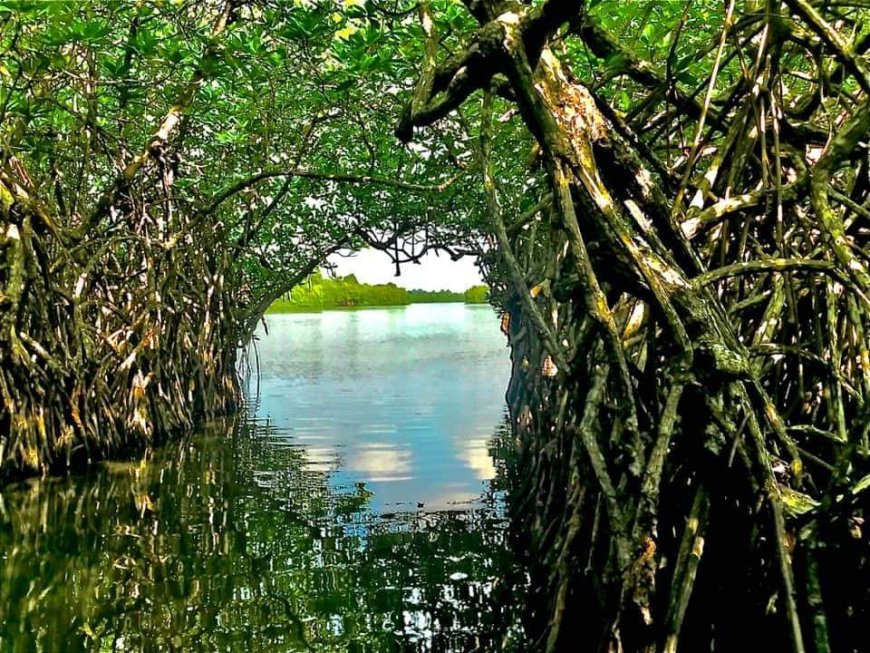
Boats nose into living corridors where mangrove roots mesh into lattices and the light turns green and dappled. Crabs skitter sideways on tangled roots, and tiny fish flash silver near the surface. Your captain often reaches out to brush a leaf, then eases forward with a soft throttle so the tunnel remains hushed. In these quiet bends, you smell silt and green wood, and you feel the river’s breath, slow and sure.
Visit Kothduwa Temple Island
Step ashore at Kothduwa and the world shifts to a shaded hush. You remove shoes and hat, cover shoulders and knees, then follow a sandy path toward a white stupa beside a pond clouded with lotus leaves. Monks move quietly between prayer halls, and the breeze clicks prayer flags against a fence. Offer a small donation if you wish, circle the bodhi tree with care, and leave the island as you found it—calm and clean.
Meet Cinnamon Peelers on an Island
Another islet, often called a cinnamon island, hosts a tiny family workshop. A peeler holds a slender knife and teases bark from a fresh-cut branch in clean spirals. The scent blooms at once—sweet, peppery, and warm. You learn that they dry quills in afternoon sun and sell them to traders who travel the river by boat or motorbike. If you buy, check for fair prices, skip haggling for sport, and carry the spice home as a story you can taste.
Watch Birds and Reptiles
Open water invites a roll call of birds. White-bellied sea eagles sometimes patrol the sky, while kingfishers streak over the shallows like jeweled arrows. Cormorants dive and surface with a flick of black wings. Along the banks, you may see a water monitor drape itself on a warm log and blink in slow contentment. Your captain can kill the engine and let the boat drift, so you catch the wingbeats and the gentle tapping of oars from a distant fisherman.
Try a Fish Foot Spa—If You Choose
Several pontoons offer a fish foot spa, where tiny fish nibble dead skin on ankles and heels. Some visitors giggle through the tickle, others skip the stop. If you try it, check water hygiene and choose a clean, well-managed setup. If it feels crowded or the fish seem stressed, move on and keep the river’s wellbeing in mind.
Sunset Cruise or Night Prawn Fishing
Late afternoon turns the river bronze, and shadows lengthen under leaning palms. A sunset cruise lets you watch village lights wink on, one by one, as the heat slips away. Night trips introduce you to prawn fishing, where families set stake nets and check them by torchlight. You hear laughter cross the water, smell woodsmoke from a riverside stove, and feel the world soften into cricket song and tide.
Village Stops and Island Snacks
Some captains stop at a family house for sweet tea or a fresh king coconut. You sit under a jackfruit tree, listen to a child recite lessons, and trade smiles with grandparents. Coconut roti, still warm from a pan, carries salt and a hint of smoke. These small meetings linger longer than any photograph, especially when you greet hosts in Sinhala with a gentle “Ayubowan.”
Best Time to Visit
The river welcomes visitors year-round, yet it changes tone with the seasons. From December to April, mornings feel clear and bright, and the water usually lies calm. Early starts bring cooler air, better birdlife, and soft light through the mangroves. Late afternoons glow with syrupy gold, and sunsets paint the palms in bronze streaks.
From May to September, the southwest monsoon blows in scattered showers, moody skies, and the occasional choppy patch. Rains can pass quickly, leaving the mangroves glazed and fragrant. October and November bring inter-monsoon bursts that sometimes turn fierce, though breaks in the clouds reveal beautiful, pearly light. No matter the month, storms move fast, so boats often adjust routes and timing with safety in mind.
Practical Information
Most visitors book a Madu Ganga boat safari at Balapitiya jetties or through hotels in Bentota, Ambalangoda, or Hikkaduwa. Typical trips last 1.5 to 2.5 hours, depending on stops. Expect a shared cruise to start around LKR 3,000–5,000 per person, while private boats often range from LKR 10,000–15,000 per boat for a small group. Prices change with season and inclusions, so confirm what your fare covers—temple stop, cinnamon demo, fish spa, and duration—before you step aboard. Kothduwa Temple does not charge a fixed fee, yet donations help maintain the grounds.
Dress light and modest, with shoulders and knees covered for temple visits. Bring sunscreen, a hat, and insect repellent for dusk. Life jackets should be available for all on board; ask for one and wear it, especially for younger travelers. Keep plastic to a minimum, pack out any trash, and avoid feeding wildlife. If you plan to photograph birds or temple scenes, request permission where appropriate and mind a respectful distance.
Weather stays tropical and humid. Mornings average 26–28°C, with midday heat rising above 30°C. Boats provide partial shade, but the glare off the water can feel strong. Secure cameras and phones in dry bags since spray sneaks aboard even on calm days. Facilities at jetties vary; carry small change for parking, tea, or tips, and use restroom stops before you leave shore.
Nearby Attractions
- Ambalangoda Mask Museum and Workshops – Meet master carvers and painters, and learn about ritual and folk masks that color southern pageants.
- Kosgoda Turtle Conservation Projects – Visit responsibly run hatcheries and, when possible, observe releases at sunset with care for the turtles’ welfare.
- Bentota Beach and Watersports – Try jet-skiing or a gentler river paddle, then unwind on long, pale sands with a coconut in hand.
- Lunuganga Estate by Geoffrey Bawa – Wander through the architect’s serene country garden, where art, water, and jungle blend into sculpture.
- Hikkaduwa Coral Gardens – Snorkel above fish-flecked reefs early in the morning, when the sea lies calm and clear.
- Seenigama Devalaya, Hikkaduwa – A seaside temple with waves at its feet and a small island shrine just offshore.
- Galagoda Shailatharama Temple – Climb to see one of the region’s large reclining Buddha statues and coastal views on a clear day.
Travel Tips
- Start at sunrise or after 3:30 pm for cooler air, gentler light, and active birdlife.
- Choose operators who share safety briefings, carry life jackets, and avoid crowding wildlife.
- Confirm the route and stops in advance, including Kothduwa, mangrove tunnels, and time on open water.
- Carry cash in small notes for tea, donations, and tips; card payments stay rare at jetties.
- Ask before flying drones; many areas near birds and temples require extra care or permits.
- Buy cinnamon and crafts directly from families when possible, and pay fair prices without pressure.
- Wear slip-on footwear for wet docks and quick temple stops, and pack a light shawl or sarong.
- Hydrate often; the breeze masks thirst, and the sun reflects off the river with intensity.
Conclusion
Madu Ganga rewards the traveler who slows down and listens to water. Boats skim past islets stitched with mangroves, and every bend tells a quieter story—of cinnamon peelers, temple bells, and fishers calling to one another across dusk. You taste sweet tea on a shaded veranda, inhale the warm spice of sun-dried quills, and watch a heron lift off from a silvered bank with an easy tilt of wings.
By the time your captain turns back toward the jetty, the river has already worked a subtle change. You step onto the dock a touch lighter, your skin salt-kissed, your shoes dusted with temple sand, and your pocket carrying a coil of cinnamon that hums of rain and sun. Travel on, then, with this wetland’s calm stitched inside you, and let Madu Ganga’s mingled waters—fresh and brine—remind you that the most memorable journeys move at the speed of a drifting leaf.